

Emergency & Help
24/7 Emergency & General Advisory
🚨 24/7 Medical Emergency
Non-Emergency Advisory
10:00 AM – 6:00 PM, Mon–Sat
For appointments & general queries.
24/7 Emergency & General Advisory
🚨 24/7 Medical Emergency
Non-Emergency Advisory
10:00 AM – 6:00 PM, Mon–Sat
For appointments & general queries.
Stay updated with our latest healthcare news and your appointments.
Learn the vital CAB approach to emergency first aid: Circulation, Airway, Breathing. Updated guidelines prioritize immediate action to save lives.

Emergencies can strike anyone, anytime, anywhere. When someone collapses or is seriously injured, knowing what to do in those first few minutes can make a world of difference. For years, the "ABCs of First Aid" guided bystanders through emergency response. However, medical guidelines have evolved. Today, the American Heart Association recommends a shift to the "CAB" approach: Circulation, Airway, Breathing. This change prioritizes immediate chest compressions, a move backed by research showing it leads to more timely and effective interventions in life-threatening situations.
The traditional ABCs stood for Airway, Breathing, and Circulation. The updated CAB sequence emphasizes Circulation first. Why the switch? Several key reasons support this vital change:
Let's break down what each letter in the CAB approach means and what you should do:
This is your first priority. You need to ensure blood is circulating and there's no life-threatening bleeding.
How to Perform Chest Compressions:
Special Considerations for CPR:
Once you've initiated circulation efforts or if the person is breathing but seems to have difficulty, you need to ensure their airway is clear.
How to Open the Airway:
With the airway open, you can now check for normal breathing.
How to Check for Breathing:
Do this for no more than 10 seconds. If the person is not breathing normally, you will resume chest compressions and may consider rescue breaths if you are trained and comfortable doing so. For trained responders, after 30 compressions, you would open the airway and give two rescue breaths, then continue cycles of 30 compressions and 2 breaths.
The CAB approach is primarily for situations where someone is unresponsive and not breathing normally, or showing signs of cardiac arrest. It is the recommended sequence for CPR.
Consider this scenario: You're at a family gathering, and suddenly, your uncle collapses. He's not moving and isn't responding when you call his name. What's the first thing you do? Following the CAB guidelines, you'd immediately call for help (911), check for severe bleeding, and then start chest compressions while someone else prepares to check his airway and breathing.
First aid is the initial emergency care given until professional medical help arrives. CPR (Cardiopulmonary Resuscitation) is a specific life-saving technique used when someone's heart has stopped beating, involving chest compressions and rescue breaths.
Continue compressions until emergency medical services take over, the person starts to move or breathe, or you are physically unable to continue. If an AED (Automated External Defibrillator) becomes available, use it as directed.
While it's possible to cause minor injuries like broken ribs during CPR, the risk is far outweighed by the potential to save a life. The priority is to keep blood circulating. Modern guidelines emphasize chest compressions even for those not trained in rescue breaths.
If you are unsure, it is generally safer to assume they are not breathing normally and begin chest compressions. It's better to perform CPR unnecessarily than to withhold it when it's needed.
Remember, knowing the CAB approach can empower you to act decisively in a critical moment. Your quick actions could be the lifeline someone desperately needs.
Visit Hospital
Near You
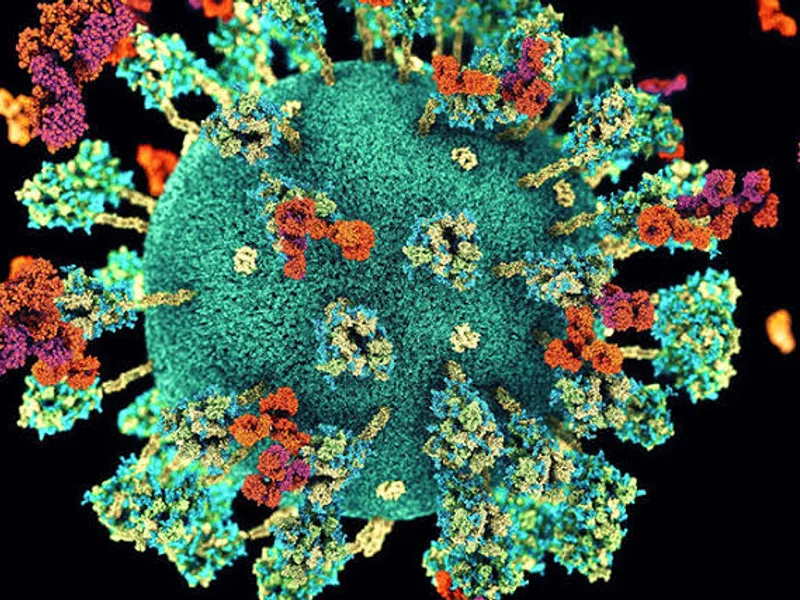
For years, long COVID had no proven treatment — only symptom management. That changed in July 2026, when UCL researchers published trial results showing a structured cognitive rehabilitation program produced lasting improvement in long COVID brain fog. This piece explains what the trial found, how i
July 23, 2026
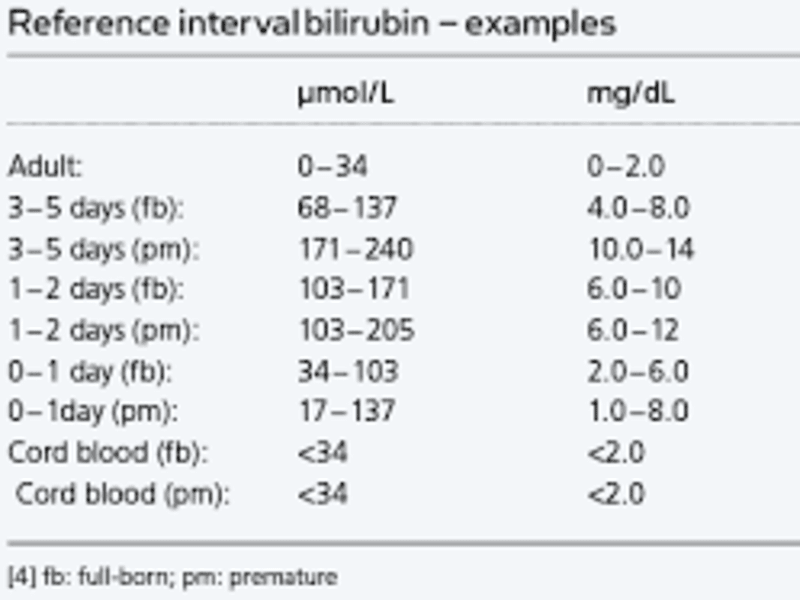
Bilirubin levels help assess liver health. This guide explains normal bilirubin values, types, causes of abnormal levels, symptoms, and when to seek medical advice.
April 11, 2026

Learn how to properly clean and care for your new ear piercing to ensure it heals beautifully and avoid infection. Follow our step-by-step guide for optimal results.
April 1, 2026