The age-old saying, "feed a cold, starve a fever," has been passed down through generations. It’s a piece of folk wisdom many of us have heard, and perhaps even followed. But does this advice hold any truth, or is it just an old wives' tale? In this article, we’ll explore what modern science and medical experts say about eating when you have a cold or a fever, and what truly helps your body recover.
Understanding Colds, Flu, and Fevers
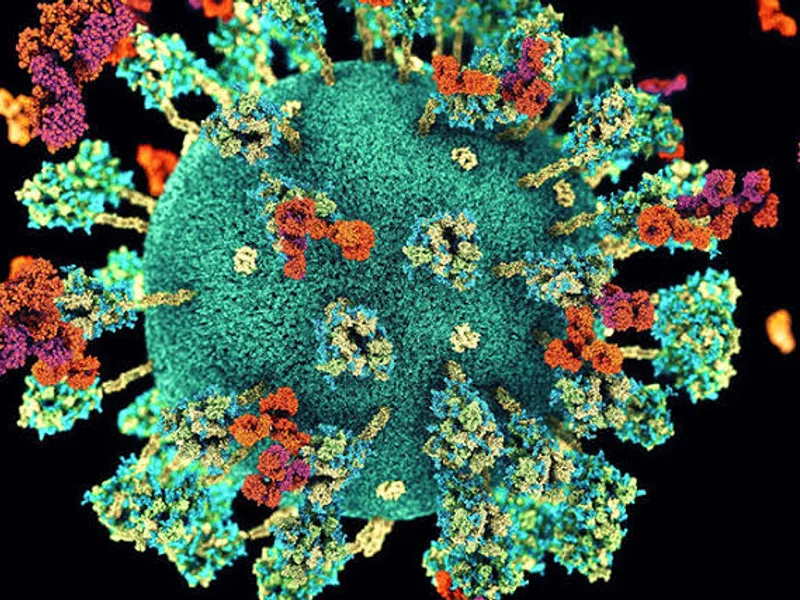
Before we dive into the eating advice, let's clarify what we're dealing with. Colds and the flu are both respiratory illnesses caused by viruses. They share many symptoms like congestion, runny nose, sore throat, and body aches. However, the flu often hits harder and faster, frequently bringing a fever along with it.
A fever, on the other hand, is not an illness itself but a symptom. It's your body's way of signalling that it's fighting something off. Fevers can be caused by viral infections (like the flu), bacterial infections, or even as a side effect of certain medications and vaccines. Sometimes, a fever can occur for reasons unrelated to infection, such as overheating or inflammatory conditions.
The "Feed a Cold, Starve a Fever" Saying: Where Did It Come From?
The origins of this saying are murky, but historical records suggest it dates back at least to the 16th century. A dictionary from 1574 reportedly stated that "fasting is a great remedy of fever." Over time, this idea likely evolved into the more specific advice we know today.
The logic behind it, though perhaps flawed, might have been that when you have a cold, your body needs energy and warmth (hence, feeding it with hearty, warm foods like soup). Conversely, when you have a fever, your body is perceived as being too 'hot,' and fasting was thought to help cool it down. This reasoning, however, lacks strong scientific backing.
What Does Science Say About Eating During Illness?
Modern medical professionals and research offer a different perspective. The consensus among experts at institutions like Harvard Medical School and Cedars-Sinai is that the "starve a fever" advice is likely a myth. Your immune system, whether fighting a cold or a fever, requires energy and nutrients to function effectively. Depriving your body of food can weaken it further, potentially hindering your recovery.
Nutrient-Rich Broth: A Potential Aid?
Some limited research has explored the impact of diet on the immune response. A small study in 2002 suggested that consuming nutrient-rich broth might help combat viral infections. This could explain why chicken soup is such a popular go-to remedy for colds. The warmth, hydration, and nutrients can be soothing and supportive.
Interestingly, the same study also hinted that fasting might help the immune system fight bacterial infections. However, it's crucial to remember this was a very small study involving only six healthy young men. Another study on mice in 2016 found fasting helpful for bacterial infections but not viral ones. These findings are preliminary and not conclusive enough to recommend starving a fever in humans.
Why Eating is Generally Recommended
When you're sick, your body is working overtime. It needs fuel to produce immune cells, fight off pathogens, and repair damaged tissues. Skipping meals can lead to fatigue, making you feel even weaker and potentially prolonging your illness.
A real-life scenario: Imagine Meena, who usually has a hearty appetite. When she develops a high fever and body aches from the flu, her stomach feels queasy, and she can barely think about food. Her mother insists she should fast to 'cool her fever down.' Meena feels even more drained and struggles to get out of bed, wondering if not eating is making things worse.
In Meena's case, listening to her body and consuming easily digestible, nutrient-dense foods would likely be more beneficial than fasting. Hydration is also paramount.
Practical Self-Care for Colds and Fevers
Whether you have a cold or a fever, focusing on supportive care is key. Here's what medical experts recommend:
1. Prioritize Fluids
This is perhaps the most critical advice. Dehydration can worsen symptoms like fatigue and headaches and make it harder for your body to function. Aim for:
- Water
- Clear broths
- Herbal teas (like ginger or peppermint)
- Diluted fruit juices
Avoid caffeine and alcohol, as they can contribute to dehydration.
2. Eat When You Can, What You Can
Don't force yourself to eat large meals if you don't feel up to it. Instead, focus on small, frequent, nutrient-rich options:
- Warm Soups and Broths: Excellent for hydration and easy to digest. Chicken soup, vegetable soup, or simple bone broth are good choices.
- Easily Digestible Foods: Think toast, crackers, rice, bananas, applesauce.
- Nutrient-Dense Options: If your appetite allows, include foods rich in vitamins and minerals, such as cooked vegetables, lean proteins, and yogurt.
Listen to your body. If you're not hungry, focus on fluids. If you are hungry, choose nourishing options.
3. Get Plenty of Rest
Rest is when your body does its best healing. Avoid strenuous activities and try to sleep as much as possible. If you have a fever, it's generally advised not to return to work or school until your temperature has been normal for at least 24 hours without medication.
4. Symptom Relief
For cold and flu symptoms, several over-the-counter (OTC) options can help:
- Pain and Fever Reducers: Nonsteroidal anti-inflammatory drugs (NSAIDs) like ibuprofen or naproxen, or acetaminophen, can help manage aches and reduce fever. Always follow package instructions and consult a pharmacist or doctor if you have underlying health conditions.
- Decongestants and Antihistamines: To relieve nasal congestion and runny nose.
- Cough Suppressants or Expectorants: Depending on the type of cough.
- Sore Throat Relief: Lozenges or throat sprays can provide temporary comfort.
5. Environmental Comfort
Using a humidifier can help moisten the air, making breathing easier and soothing irritated nasal passages and throats. Ensure good ventilation in your room.
When to Consult a Doctor
While most colds and mild fevers resolve on their own, certain signs warrant medical attention. Seek professional advice if:
- Your temperature is 103°F (39.4°C) or higher.
- Your fever persists for more than a few days.
- Your fever is accompanied by severe symptoms like:
- Difficulty breathing or shortness of breath
- Chest pain
- Severe headache or stiff neck
- Persistent vomiting
- Confusion or unusual drowsiness
- Rash
- Abdominal pain
- You have underlying chronic health conditions (like heart disease, lung disease, diabetes, or a compromised immune system) that could make an infection more serious.
Faq Section
Q1: Is chicken soup really good for a cold?
Yes, chicken soup can be beneficial. It provides hydration, electrolytes, and warmth, which can soothe symptoms. Some research suggests compounds in the broth may have mild anti-inflammatory effects. It's also easy to digest, making it a good choice when your appetite is low.
Q2: Can I take medication for fever if I'm following the "starve a fever" advice?
If you choose to reduce your fever with medication, it's best to also ensure you're staying hydrated and getting adequate nutrition if your body can tolerate it. Relying solely on medication while starving yourself might not be the most effective or safest approach.
Q3: What if I have a fever but no other symptoms?
A fever without other symptoms can sometimes indicate an infection that needs attention, or it could be a reaction to something else. It's advisable to monitor your temperature and other symptoms closely. If the fever is high or persists, consult a doctor to determine the cause.
Q4: Does the type of illness (viral vs. bacterial) change the advice on eating?
While some very early research hinted at differences in response to fasting for viral versus bacterial infections (in small human or animal studies), the general medical consensus for most common illnesses like colds and flu (which are viral) is to stay nourished and hydrated. For bacterial infections, antibiotics are typically the primary treatment, and supportive care including nutrition and hydration remains important.
Q5: Can I drink sports drinks when I have a cold or fever?
Sports drinks can help with hydration and electrolytes, especially if you're experiencing vomiting or diarrhea. However, they often contain a lot of sugar. Plain water, clear broths, and herbal teas are generally better choices for regular hydration. Use sports drinks in moderation.