

Emergency & Help
24/7 Emergency & General Advisory
🚨 24/7 Medical Emergency
Non-Emergency Advisory
10:00 AM – 6:00 PM, Mon–Sat
For appointments & general queries.
24/7 Emergency & General Advisory
🚨 24/7 Medical Emergency
Non-Emergency Advisory
10:00 AM – 6:00 PM, Mon–Sat
For appointments & general queries.
Stay updated with our latest healthcare news and your appointments.
Learn how to make effective DIY hand sanitizer at home using simple ingredients. Discover the right ratios, safety precautions, and when to use it.

In today's world, keeping our hands clean is more important than ever. While washing hands with soap and water remains the gold standard for hygiene, sometimes we find ourselves in situations where this isn't possible. This is where hand sanitizer steps in as a convenient and effective alternative. The Centers for Disease Control and Prevention (CDC) recommends using an alcohol-based hand sanitizer containing at least 60% alcohol when soap and water are unavailable. But what if you can't find any hand sanitizer in stores, or you simply want to be prepared? Making your own hand sanitizer at home is a viable option, provided you follow the correct guidelines. This guide will walk you through the process, explain the science behind it, and highlight important safety precautions.
Understanding the 'Why' Behind Hand Sanitizer
Germs are everywhere – on doorknobs, shopping carts, public transport, and even our smartphones. These microscopic organisms, including bacteria and viruses, can cause a range of illnesses, from the common cold to more serious infections like COVID-19. Handwashing physically removes these germs from your skin. Hand sanitizers, on the other hand, work by using alcohol to kill or inactivate many types of germs. The key is the alcohol content; an alcohol concentration of 60% or higher is necessary for effective germ-killing power.
Why DIY? When Convenience Calls
There might be times when you're out and about, traveling, or facing an emergency where access to a sink and soap is limited. In these scenarios, a pocket-sized bottle of hand sanitizer can be a lifesaver. Furthermore, during times of high demand, like a pandemic, store-bought sanitizers can fly off the shelves. Having the knowledge and ingredients to make your own can ensure you're never without this essential hygiene tool.
The Science of Effective Hand Sanitizer: Alcohol is Key
The active ingredient in most effective hand sanitizers is alcohol, typically either isopropyl alcohol or ethanol. The CDC recommends using products with at least 60% alcohol. When you make your own, maintaining this concentration is paramount. A common and effective ratio is 2 parts isopropyl alcohol (99% concentration) to 1 part aloe vera gel. This ratio ensures that the final mixture has an alcohol content of approximately 60-70%, which is potent enough to kill germs without being overly harsh on your skin.
Creating your own hand sanitizer is surprisingly straightforward and requires just a few basic ingredients. However, it's crucial to use the right proportions and follow safety measures to ensure efficacy and safety.
The most recommended formula involves a 2:1 ratio of alcohol to aloe vera gel. Here’s how to mix it:
Important Note: If you are making a larger batch, the World Health Organization (WHO) also provides specific formulas that professionals use, often involving glycerol and hydrogen peroxide in addition to ethanol and sterile water. However, for home use, the simple alcohol-to-aloe vera ratio is generally sufficient and easier to manage.
While making your own hand sanitizer can be empowering, safety must be your top priority. Improper preparation or ingredients can render the sanitizer ineffective or even harmful.
Homemade hand sanitizers are intended for situational use only. They are a backup when soap and water are truly unavailable. They are not a replacement for regular handwashing.
Once you have your homemade hand sanitizer, using it correctly is just as important as making it right.
Scenario: Imagine you've just finished buying groceries and need to eat a snack in your car. You don't have immediate access to a restroom for handwashing. In this situation, reaching for your homemade hand sanitizer is a practical solution to clean your hands before eating.
Hand sanitizer is excellent for killing germs on relatively clean hands. However, it's not a substitute for handwashing when your hands are:
If your hands are visibly soiled after gardening, cooking, or working with machinery, always opt for thorough handwashing.
A1: While you can, it's less ideal. If using 70% isopropyl alcohol, you'll need to adjust the ratio to get the final concentration above 60%. For example, you would use approximately 3 parts 70% alcohol to 1 part aloe vera gel. However, starting with 99% alcohol is simpler and more reliable for achieving the correct concentration.
A2: Yes, the alcohol content can evaporate over time, especially if the container isn't sealed tightly. It's best to make small batches and use them within a few months. Store it in a cool, dark place.
A3: A few drops are generally safe for fragrance. However, never use essential oils as a substitute for alcohol. Some people can be sensitive to certain essential oils, so use them sparingly and discontinue use if any irritation occurs.
A4: While aloe vera gel is recommended for its moisturizing properties and consistency, in an absolute emergency, you could try using glycerin. However, the texture will be different and potentially more sticky. It's best to stick with aloe vera gel if possible.
A5: Most spirits like vodka or rum contain only about 40% alcohol, which is far too low to be effective as a hand sanitizer. You need a high-proof alcohol (90% or higher) for your DIY sanitizer to work.
By understanding the basics and following these simple steps and safety guidelines, you can confidently prepare your own hand sanitizer for those times when soap and water aren't within reach, ensuring your hands stay cleaner and healthier.
Visit Hospital
Near You
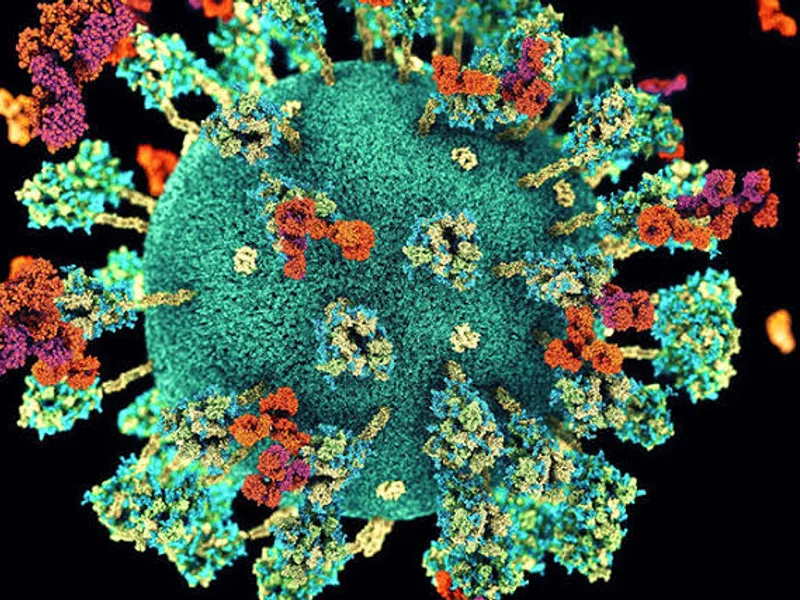
For years, long COVID had no proven treatment — only symptom management. That changed in July 2026, when UCL researchers published trial results showing a structured cognitive rehabilitation program produced lasting improvement in long COVID brain fog. This piece explains what the trial found, how i
July 23, 2026
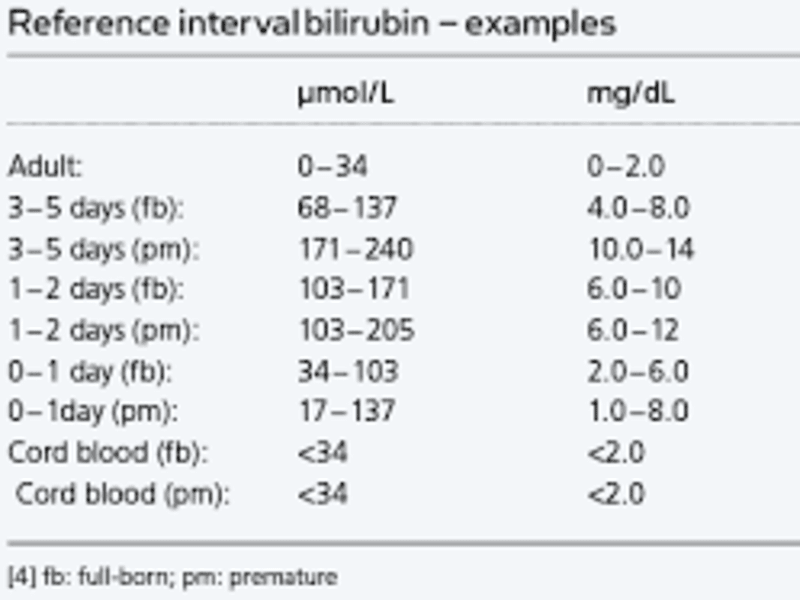
Bilirubin levels help assess liver health. This guide explains normal bilirubin values, types, causes of abnormal levels, symptoms, and when to seek medical advice.
April 11, 2026

Learn how to properly clean and care for your new ear piercing to ensure it heals beautifully and avoid infection. Follow our step-by-step guide for optimal results.
April 1, 2026