

Emergency & Help
24/7 Emergency & General Advisory
🚨 24/7 Medical Emergency
Non-Emergency Advisory
10:00 AM – 6:00 PM, Mon–Sat
For appointments & general queries.
24/7 Emergency & General Advisory
🚨 24/7 Medical Emergency
Non-Emergency Advisory
10:00 AM – 6:00 PM, Mon–Sat
For appointments & general queries.
Stay updated with our latest healthcare news and your appointments.
Learn about highway hypnosis, the trance-like state that can occur while driving. Discover its causes, signs, and how to prevent it to ensure safer road trips.

Have you ever been driving, perhaps on a long, straight highway, and suddenly realized you can't recall the last few miles? You weren't asleep, but you were definitely not fully present. You might have even missed your exit or found yourself drifting towards the rumble strip. If this sounds familiar, you've likely experienced 'highway hypnosis,' a peculiar trance-like state that can affect even experienced drivers.
Highway hypnosis, also known as 'white line fever' or 'driving trance,' is a state of reduced awareness that occurs while driving. It's not about falling asleep; rather, your brain enters a less alert mode, functioning on autopilot. You continue to perform the basic tasks of driving – steering, accelerating, braking – but your conscious mind is elsewhere. This can lead to a disconnect between your actions and your awareness of them.
Imagine this: You're driving on a familiar route to work, the same one you take every day. The scenery barely changes, and the road is relatively empty. Suddenly, you arrive at your destination and have no memory of the journey itself. You might wonder, 'Did I remember to signal at that last turn?' or 'How did I get here so fast?' This is highway hypnosis in action. It’s a common phenomenon, and understanding it is the first step towards preventing it.
The most unsettling aspect of highway hypnosis is that you often don't realize it's happening until you snap out of it. However, there are several subtle warning signs you can watch for:
These signs indicate that your brain is not fully engaged with the task of driving, even though your body is still performing the necessary actions.
Several factors contribute to highway hypnosis, often working in combination:
Long stretches of unchanging scenery, like a desolate highway with identical trees lining the sides, are a major culprit. When the visual input is predictable and repetitive, your brain doesn't need to work as hard to process it. This predictability can lead to a decrease in alertness.
Being tired significantly increases your susceptibility to highway hypnosis. When you're fatigued, your brain processes information more slowly. The monotony of the road, combined with tiredness, can lull you into that trance-like state even if you don't actually fall asleep.
The longer you drive without breaks, the more your brain can become fatigued and less alert. Research suggests that fatigue can peak after about 20 minutes of driving in monotonous conditions, meaning highway hypnosis can occur relatively quickly, not just after hours on the road.
Studies suggest that your eye movements, controlled by your oculomotor system, also play a role. When driving on monotonous roads, your eyes might make fewer, less frequent movements, contributing to a reduced level of visual processing and alertness.
On familiar or monotonous roads, your brain relies less on what your eyes are seeing (retinal feedback) and more on what it predicts it will see (extra-retinal feedback). This shift allows your brain to enter a less attentive state.
Researchers have explored highway hypnosis using driving simulators. Studies have shown that drivers exhibit more fatigue signs, such as larger steering adjustments, when driving on monotonous roads compared to roads with varied scenery. This indicates that the brain actively works harder to stay alert when presented with more visual stimulation. When the scenery is predictable, the brain conserves energy by reducing its vigilance. It's a survival mechanism, but one that can be dangerous when operating a vehicle.
Preventing highway hypnosis involves actively keeping your brain engaged and your body alert. Here are practical strategies:
This is perhaps the most effective strategy. Stop every 100 miles or every two hours, whichever comes first. Get out of the car, stretch your legs, walk around, and give your eyes a rest from the road.
Dehydration and heavy meals can contribute to fatigue. Opt for water and light snacks instead of sugary drinks or heavy foods before and during your drive.
If your route allows, choose roads with more varied scenery. Even small changes like passing through a town or noticing different types of trees can help keep your brain more engaged.
Listen to engaging audiobooks, podcasts, or music that requires some level of active listening. Avoid falling asleep while listening to something too calming. You can also try simple mental exercises, like calculating gas mileage or planning your next meal.
If driving at night or in monotonous conditions, try to keep the car interior well-lit and at a comfortable, slightly cool temperature. Rolling down the window for fresh air can also help.
Having a passenger can be a great way to stay alert. Engage in conversation, and have your companion act as a co-pilot, watching for signs of fatigue in you and helping to keep you alert.
Ensure you are well-rested before starting any long drive. This is fundamental to maintaining alertness.
While highway hypnosis is usually a temporary state related to driving conditions and fatigue, persistent or extreme episodes of zoning out, memory loss, or feeling disconnected could indicate an underlying medical condition. If you experience these symptoms frequently, even when not driving, or if they are accompanied by other concerning neurological symptoms like severe headaches, dizziness, or confusion, it's essential to consult a doctor. They can rule out conditions such as sleep disorders, neurological issues, or other health problems that might be affecting your awareness and cognitive function.
No, highway hypnosis is a state of reduced awareness where you are technically awake but not fully conscious of your actions. Falling asleep at the wheel means you have lost consciousness entirely.
Yes, it can happen on shorter drives, especially if the road is monotonous and you are fatigued. Research suggests it can occur even after about 20 minutes of driving in such conditions.
Pull over safely as soon as possible. Take a break, stretch, drink some water, and perhaps have a light snack. If you feel too tired or zoned out to continue driving safely, it's best to wait until you feel fully alert or arrange for someone else to drive.
Drivers who are fatigued, stressed, or driving on long, monotonous routes are more prone. Lack of sleep and certain medications can also increase susceptibility.
Driving requires your full attention. By understanding highway hypnosis and implementing preventive measures, you can ensure safer journeys for yourself and others on the road. Stay alert, take breaks, and make safety your priority.
Visit Hospital
Near You

For years, long COVID had no proven treatment — only symptom management. That changed in July 2026, when UCL researchers published trial results showing a structured cognitive rehabilitation program produced lasting improvement in long COVID brain fog. This piece explains what the trial found, how i
July 23, 2026
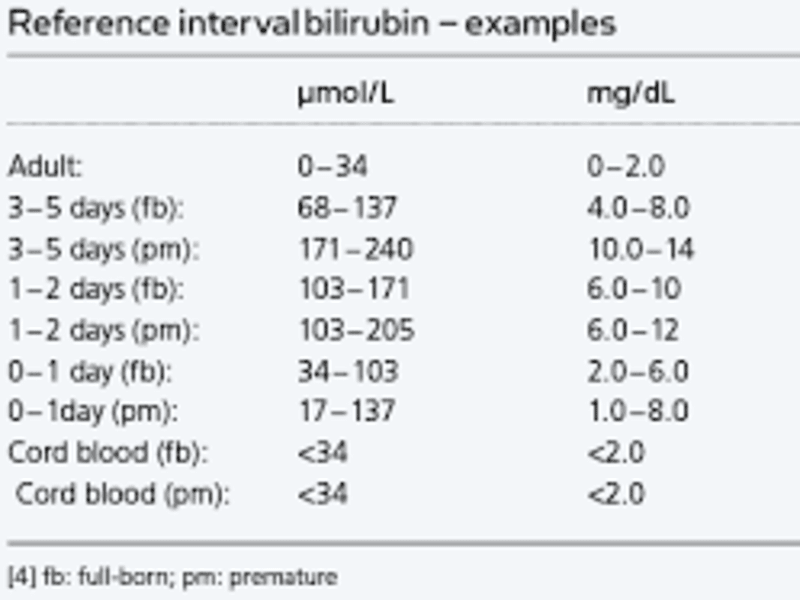
Bilirubin levels help assess liver health. This guide explains normal bilirubin values, types, causes of abnormal levels, symptoms, and when to seek medical advice.
April 11, 2026

Learn how to properly clean and care for your new ear piercing to ensure it heals beautifully and avoid infection. Follow our step-by-step guide for optimal results.
April 1, 2026