

Emergency & Help
24/7 Emergency & General Advisory
🚨 24/7 Medical Emergency
Non-Emergency Advisory
10:00 AM – 6:00 PM, Mon–Sat
For appointments & general queries.
24/7 Emergency & General Advisory
🚨 24/7 Medical Emergency
Non-Emergency Advisory
10:00 AM – 6:00 PM, Mon–Sat
For appointments & general queries.
Stay updated with our latest healthcare news and your appointments.
Explore scientifically-backed home remedies like turmeric, ginger, and cayenne pepper for natural relief from common ailments. Learn safe and effective ways to use them for pain, nausea, and immunity.

Feeling under the weather? Before you reach for that over-the-counter medicine, have you ever considered the power of your own kitchen? For generations, home remedies have been a cornerstone of wellness in India, passed down through families and steeped in tradition. But are they just old wives' tales? Science is increasingly saying no! Many common household ingredients and simple preparations, when used correctly, can offer genuine relief for a variety of ailments. This isn't about replacing your doctor's advice, but about empowering you with natural, accessible options to complement your healthcare journey. We've all heard stories from our grandmothers about the magic of certain spices or herbs. Well, it turns out there's often a scientific explanation behind their effectiveness. From soothing inflammation to easing pain and boosting immunity, these natural remedies are gaining recognition for their therapeutic properties. Let's explore some of these scientifically validated home remedies that you can easily incorporate into your life for a healthier, more comfortable you. Turmeric: The Golden Healer for Pain and Inflammation Turmeric, or 'haldi' as we lovingly call it, is more than just a vibrant spice that gives our curries that beautiful golden hue. Its potent anti-inflammatory properties are largely attributed to a compound called curcumin . Studies have shown remarkable results, with some research indicating that curcumin can be as effective as certain anti-inflammatory medications in reducing pain, particularly in conditions like osteoarthritis. Imagine, the same spice that brightens your food potentially easing your joint discomfort! While the curcumin content in turmeric is relatively low (around 3%), regular consumption can lead to noticeable benefits. For noticeable relief, aim for about 1/2 to 1 1/2 teaspoons of turmeric per day. It may take 4 to 8 weeks of consistent use to start experiencing significant improvements. To enhance your body's absorption of curcumin, always pair turmeric with a pinch of black pepper. This simple trick can make a world of difference! For immediate relief, however, relying solely on turmeric powder might not be the quickest solution. The concentration of curcumin is highest in supplements. But a comforting turmeric latte (or 'haldi doodh') made with 2 to 5 grams of the spice can still offer some benefits. How to Use Turmeric for Pain: Turmeric Latte: Mix 1/2 to 1 1/2 teaspoons of turmeric powder with warm milk (dairy or plant-based). Add a pinch of black pepper. Sweeten with honey or jaggery if desired. Drink daily for 4-8 weeks. Supplements: For more potent relief, consider curcumin supplements. Always consult your doctor before starting any new supplement. Cayenne Pepper: Warming Relief for Muscle Aches That fiery kick from chili peppers isn't just for adding spice to your meals; it can also be a powerful tool for pain relief, especially for muscle aches and general discomfort. The magic ingredient here is capsaicin , the compound that gives chilies their heat. When applied topically, capsaicin works by stimulating nerve endings and then gradually reducing their ability to send pain signals to the brain. It's like a temporary distraction for your nerves! While you can find prescription capsaicin patches (like Qutenza, which contains a high 8% capsaicin concentration), you can also create your own topical cream at home. Be warned, this is potent stuff, so a patch test is essential before widespread use. And remember, never apply this cream near your face or eyes, and always wear gloves during application. DIY Cayenne Muscle Rub: Ingredients: 3 teaspoons of cayenne pepper powder, 1 cup of coconut oil. Preparation: Gently heat the coconut oil until it melts. Remove from heat and stir in the cayenne pepper powder. Stir well for about 5 minutes. Pour the mixture into a bowl and allow it to cool and solidify. For a lighter, creamier texture, you can whip the solidified oil with a hand mixer. Application: Apply a small amount to the affected area, massaging gently. Wear gloves during application and wash your hands thoroughly afterward. Perform a patch test on a small area of skin first to check for any adverse reactions. Note: You can also use fresh chilies like jalapeños, but be aware that the heat level can vary significantly between peppers. Ginger: Soothing Nausea and Reducing Pain Ginger, or 'adrak', is a versatile root that has long been celebrated in Ayurvedic medicine for its warming properties and its ability to aid digestion. Its anti-inflammatory and antioxidant compounds can help alleviate pain and combat nausea. Whether you're dealing with motion sickness, morning sickness, or just an upset stomach, ginger can be your ally. For a simple and effective remedy, try a warm ginger tea. It’s comforting, easy to make, and its benefits are well-documented. Ginger Tea for Nausea and Pain: Ingredients: Half an inch of fresh raw ginger (grated), 2 cups of water, juice of half a lemon, honey or agave nectar to taste. Preparation: Bring the water to a boil. Add the grated ginger. Let it steep for 5 to 10 minutes. Strain the tea. Consumption: Stir in the lemon juice and sweeten with honey or agave nectar as per your preference. Sip slowly while it's warm. Shiitake Mushrooms: Boosting Immunity These earthy, flavorful mushrooms are not just a culinary delight; they also pack a powerful punch when it comes to supporting your immune system. Shiitake mushrooms contain a compound called lentinan (also known as AHCC or active hexose correlated compound). Lentinan has demonstrated antioxidant and anti-inflammatory effects at a cellular level. Research suggests that AHCC can help strengthen the immune response, potentially even aiding the body in fighting off infections and supporting those with compromised immune systems, such as individuals undergoing chemotherapy. Incorporating shiitake mushrooms into your diet could be a delicious way to give your immunity a natural boost. How to Incorporate Shiitake Mushrooms: Add chopped shiitake mushrooms to broths, soups, stir-fries, or pasta dishes. Aim to consume 5 to 10 grams of shiitake mushrooms daily for potential immune-boosting benefits, as suggested by some studies. Eucalyptus Oil: Respiratory Relief and Pain Management The strong, invigorating scent of eucalyptus oil is often associated with clearing congestion and easing respiratory discomfort. Its anti-inflammatory and analgesic properties make it a popular choice for topical pain relief as well. When inhaled, the vapors can help loosen mucus and ease breathing. When applied topically (properly diluted!), it can help soothe sore muscles and joints. Important Caution: Eucalyptus oil is potent. It should never be ingested. Inhaling the oil can trigger asthma in some individuals and may be harmful to pets. It can also cause breathing difficulties in infants. Always use with caution and ensure proper ventilation. For topical use, it must be diluted with a carrier oil. Using Eucalyptus Oil Safely: For Inhalation: Add a few drops to a bowl of hot water (not boiling), cover your head with a towel, and inhale the steam. Keep your eyes closed. Ensure good ventilation. For Topical Use: Dilute a few drops of eucalyptus essential oil with a carrier oil like coconut or almond oil (e.g., 2-3 drops of eucalyptus oil per teaspoon of carrier oil). Massage gently onto the affected area. Always perform a patch test first. Lavender: Calming Migraines and Anxiety Lavender is renowned for its soothing aroma, and its benefits extend beyond relaxation. Studies suggest that inhaling lavender essential oil can be effective in alleviating migraine pain, reducing headache intensity, and easing symptoms of anxiety and general stress. The calming scent interacts with the nervous system to promote a sense of tranquility. Using Lavender for Relaxation: Aromatherapy: Add a few drops of high-quality lavender essential oil to a diffuser. Inhalation: Place a few drops on a handkerchief or cotton ball and inhale deeply. Bath: Add a few drops of lavender essential oil (mixed with a carrier oil or Epsom salts) to a warm bath for a relaxing soak. When to Consult a Doctor While these home remedies can offer wonderful relief and support your well-being, they are not a substitute for professional medical advice. It is essential to consult with your doctor in the following situations: If your symptoms are severe or persistent. If you have a chronic health condition. If you are pregnant or breastfeeding. Before starting any new treatment, including home remedies, especially if you are taking other medications, to avoid potential interactions. If you experience any adverse reactions to a home remedy. Your health is paramount. These natural approaches should be seen as complementary tools in your overall health strategy. Listen to your body, use these remedies wisely, and always prioritize professional medical guidance when needed. Frequently Asked Questions (FAQ) Q1: Can I use turmeric directly on my skin for pain? While turmeric has anti-inflammatory properties, applying it directly to the skin can cause staining. It's generally safer and more effective to consume it or use it in a diluted topical preparation. Always do a patch test if you plan to apply it topically. Q2: How quickly can I expect to feel relief from these remedies? The onset of relief varies greatly depending on the remedy, the individual, and the severity of
In summary, timely diagnosis, evidence-based treatment, and prevention-focused care improve long-term health outcomes.
Visit Hospital
Near You

For years, long COVID had no proven treatment — only symptom management. That changed in July 2026, when UCL researchers published trial results showing a structured cognitive rehabilitation program produced lasting improvement in long COVID brain fog. This piece explains what the trial found, how i
July 23, 2026
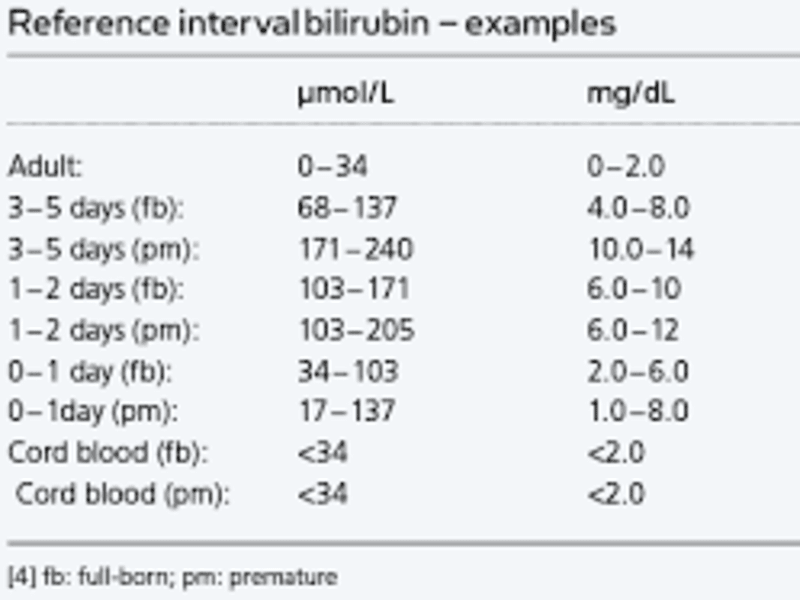
Bilirubin levels help assess liver health. This guide explains normal bilirubin values, types, causes of abnormal levels, symptoms, and when to seek medical advice.
April 11, 2026

Learn how to properly clean and care for your new ear piercing to ensure it heals beautifully and avoid infection. Follow our step-by-step guide for optimal results.
April 1, 2026