

Emergency & Help
24/7 Emergency & General Advisory
🚨 24/7 Medical Emergency
Non-Emergency Advisory
10:00 AM – 6:00 PM, Mon–Sat
For appointments & general queries.
24/7 Emergency & General Advisory
🚨 24/7 Medical Emergency
Non-Emergency Advisory
10:00 AM – 6:00 PM, Mon–Sat
For appointments & general queries.
Stay updated with our latest healthcare news and your appointments.
Discover how long hydrogen peroxide lasts, why it expires, and how to tell if yours is still effective. Learn storage tips and safety precautions for this common household item.
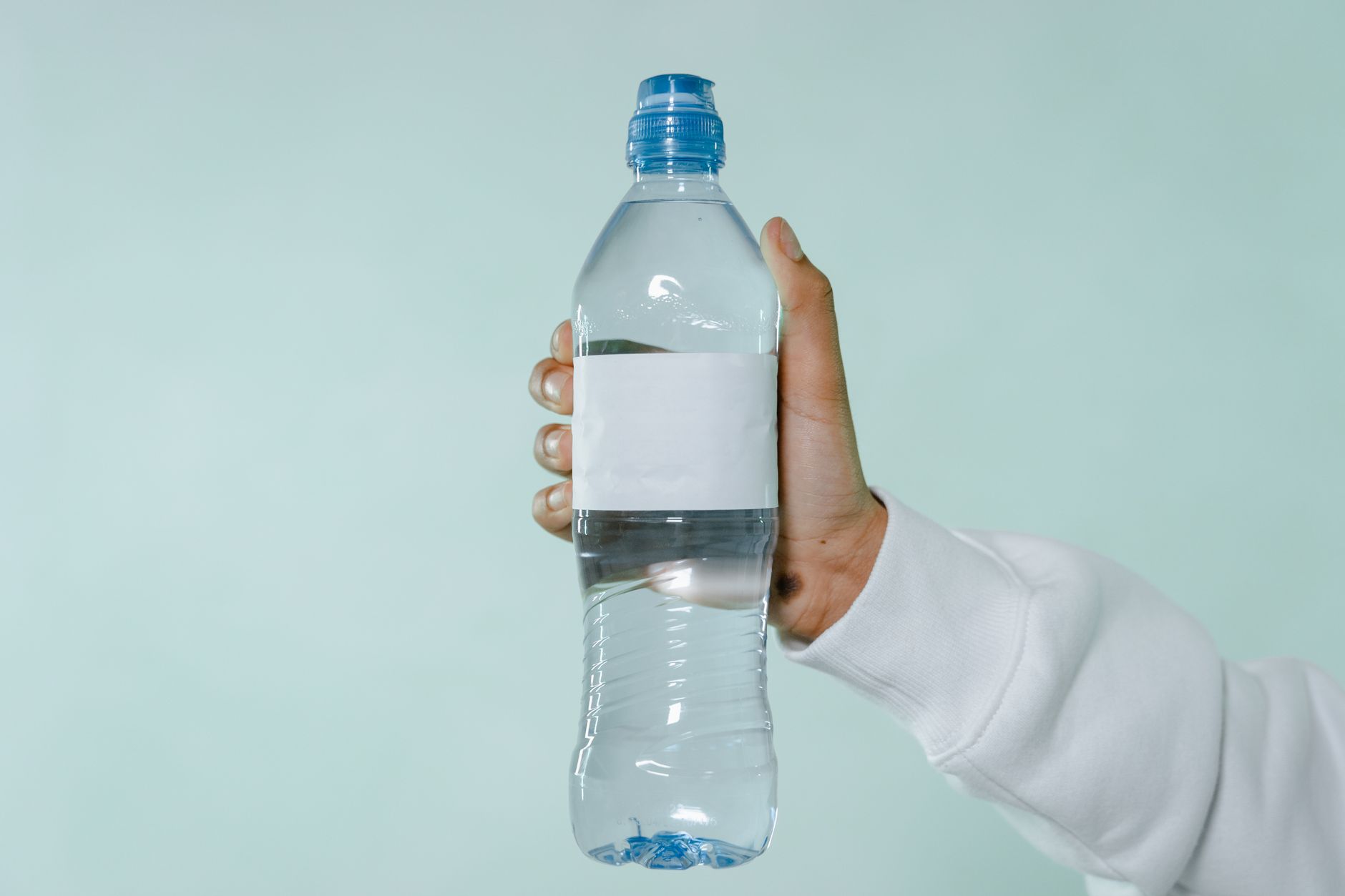
Hydrogen peroxide is a common sight in many Indian households, often found in first-aid kits and cleaning supplies. Its ability to disinfect and clean makes it a versatile product. But have you ever wondered if this staple has an expiry date? Does that bottle tucked away in your cupboard lose its power over time? The answer is yes, it does. Understanding how long hydrogen peroxide lasts and how to tell if it’s still effective is key to using it safely and efficiently.
Let’s break down what hydrogen peroxide is, its shelf life, and what happens when it expires. We'll also cover how to store it properly to get the most out of it.
Hydrogen peroxide, with the chemical formula H2O2, might sound similar to water (H2O), but their properties are vastly different. The hydrogen peroxide you buy at the pharmacy is a solution, typically containing 3% to 7% of hydrogen peroxide dissolved in water. It's a clear, colorless liquid.
Pure hydrogen peroxide is a pale blue liquid with a strong odor and is slightly thicker than water. Its cleaning power comes from its ability to produce free radicals. These unstable molecules attack and disable viruses and other pathogens, making it an effective disinfectant. It’s also mildly acidic, which is why it has historically been used for whitening paper, fabrics, and even teeth and hair. However, these potent properties mean it must be used with care. It can irritate skin, eyes, and the throat on contact.
Hydrogen peroxide is a relatively unstable compound. It starts to decompose even before you open the bottle. In a sealed, unopened container, hydrogen peroxide can last for approximately 3 years. This is its maximum shelf life under ideal storage conditions.
However, the clock starts ticking much faster once you open the container. As soon as the seal is broken, the decomposition process speeds up significantly. Once opened, hydrogen peroxide is generally effective for a much shorter period, usually between 1 to 6 months.
Why the difference? When the container is opened, it's exposed to air and potential contaminants, and the oxygen gas that's part of its breakdown can escape more easily. This accelerates the conversion of hydrogen peroxide into water and oxygen gas.
You might be wondering, “How can I tell if my hydrogen peroxide is no longer effective?” Fortunately, there are a few ways to check:
A common scenario: You reach for the hydrogen peroxide to clean a small kitchen cut, but it doesn't bubble like it used to. This lack of fizzing indicates it's past its prime and won't effectively kill germs.
The good news is that expired hydrogen peroxide isn't harmful. It doesn't turn into a toxic substance. Instead, it simply breaks down into water (H2O) and oxygen gas (O2). As mentioned, when these gases escape, only water remains.
While it won't hurt you, expired hydrogen peroxide loses its primary benefits: its disinfecting and cleaning properties. Using it on a wound won't effectively kill bacteria, and using it for cleaning won't sanitize surfaces as well as fresh peroxide would.
Proper storage is key to extending the life of your hydrogen peroxide. Follow these tips:
When fresh, hydrogen peroxide is incredibly useful around the house:
While useful, hydrogen peroxide is a chemical that requires careful handling:
While hydrogen peroxide is a common household item, it's important to know its limitations. For significant wounds, deep cuts, or infections, always seek professional medical advice. If you are unsure about using hydrogen peroxide for a specific purpose, especially for first aid, it's best to consult a doctor or pharmacist.
A1: If your hydrogen peroxide doesn't fizz when applied to a wound or a small test area, it has lost most of its disinfecting power. While it won't be harmful, it won't effectively kill germs, so it's best to replace it.
A2: Expired hydrogen peroxide can be safely poured down the drain with plenty of running water. Since it breaks down into water and oxygen, it's not considered hazardous waste.
A3: Freezing can cause hydrogen peroxide to expand and potentially break the container. It can also affect its stability and effectiveness. It's best to avoid freezing and stick to storing it in a cool, dark place.
Visit Hospital
Near You
For years, long COVID had no proven treatment — only symptom management. That changed in July 2026, when UCL researchers published trial results showing a structured cognitive rehabilitation program produced lasting improvement in long COVID brain fog. This piece explains what the trial found, how i
July 23, 2026
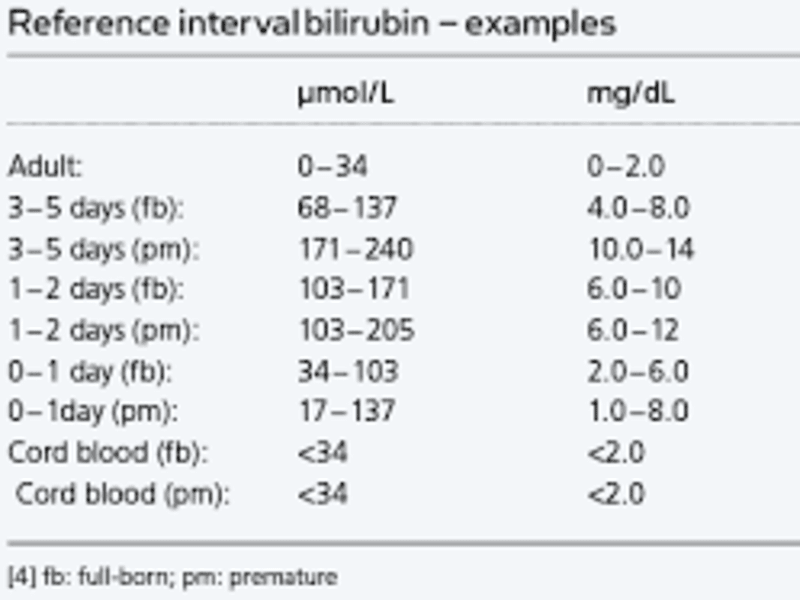
Bilirubin levels help assess liver health. This guide explains normal bilirubin values, types, causes of abnormal levels, symptoms, and when to seek medical advice.
April 11, 2026

Learn how to properly clean and care for your new ear piercing to ensure it heals beautifully and avoid infection. Follow our step-by-step guide for optimal results.
April 1, 2026