Donating plasma is a selfless act that can save lives. It’s a vital component of blood that helps fight infections and diseases. Many in India are curious about how frequently they can contribute this precious resource. This guide will break down the guidelines for plasma donation in India, eligibility criteria, the process, and what you need to know to make your donation count, safely and effectively.
Understanding Plasma and Its Importance
Plasma is the yellowish, liquid component of blood, making up about 55% of its total volume. It’s mostly water, but it also contains vital proteins, antibodies, clotting factors, and other essential substances. These components are critical for:
- Fighting infections: Antibodies in plasma help your body defend against viruses and bacteria.
- Blood clotting: Plasma contains clotting factors that stop bleeding.
- Maintaining blood pressure: Proteins in plasma help regulate fluid balance.
The need for plasma is constant. It’s used in treatments for a variety of conditions, including immune deficiencies, bleeding disorders, severe burns, and certain infectious diseases. In recent times, convalescent plasma (plasma from individuals who have recovered from a specific illness like COVID-19) has also shown potential as a treatment option.
Plasma Donation Frequency: What the Guidelines Say
The frequency of plasma donation can vary depending on the donation center and the specific protocols they follow. In India, unlike some countries with a single national guideline for all donation types, private collection centers often set their own parameters, guided by international best practices and safety standards.
General Guidelines:
- Private Donation Centers: Many private plasma donation companies, particularly those that offer financial compensation, may allow donors to donate plasma more frequently. This could be up to twice a week, with at least 48 hours between donations. However, it’s crucial to understand that donating too frequently can impact the quality of your plasma and your own health.
- Non-compensated Donations: If you are donating through a blood bank or a charitable organization that doesn’t offer payment, the frequency might be more aligned with standard blood donation guidelines, often around once every 4 weeks (28 days), or up to 13 times a year. This allows your body ample time to replenish the plasma components.
Why the Difference?
The key difference lies in the process. Plasmapheresis, the process of donating plasma, specifically extracts plasma while returning your red blood cells and other components. This allows for more frequent donations compared to whole blood donation, where all components are collected.
However, research suggests that very frequent donations, especially in high volumes, might lead to a decrease in total protein and albumin levels. These are critical components of plasma. Therefore, even when donating frequently, your health and the quality of the plasma are paramount.
Who is Eligible to Donate Plasma?
Not everyone can donate plasma. Eligibility is carefully screened to ensure the safety of both the donor and the recipient. Here are the common requirements:
- Age: Typically between 18 and 65 years old. Some centers may allow older individuals if they are in good health.
- Weight: Usually a minimum weight requirement, often around 50 kg (110 lbs).
- General Health: You must be in good health, with no signs of illness like fever, cough, or sore throat. If you are taking antibiotics for an active infection, you cannot donate.
- Blood Pressure and Pulse: Must be within acceptable limits.
- Hemoglobin Levels: While plasma donation doesn’t remove red blood cells significantly, a minimum hemoglobin level is still checked to ensure overall health.
- Hydration: You should be well-hydrated.
- Recent Medications/Treatments: Certain medications, recent surgeries, or blood transfusions can temporarily or permanently disqualify you. Always disclose your medical history.
- Travel History: Recent travel to certain regions with high risks of specific diseases might lead to a temporary deferral.
A Real-Life Scenario:
Ramesh, a 25-year-old student, wants to donate plasma regularly to earn some pocket money. He feels healthy and has no chronic conditions. He finds a private donation center that allows donations twice a week. He goes through the initial screening and is approved. He successfully donates on Monday and Thursday of the same week. However, after his second donation, he feels unusually tired and a bit dizzy. He realizes that while the center allows it, his body might need more time to recover between donations.
The Plasma Donation Process: What to Expect
The process of donating plasma, known as plasmapheresis, is generally safe and straightforward:
- Registration: You’ll fill out a questionnaire about your health history and lifestyle.
- Screening: A health screening includes checking your vital signs (temperature, blood pressure, pulse) and a quick finger-prick blood test to check your hemoglobin and protein levels.
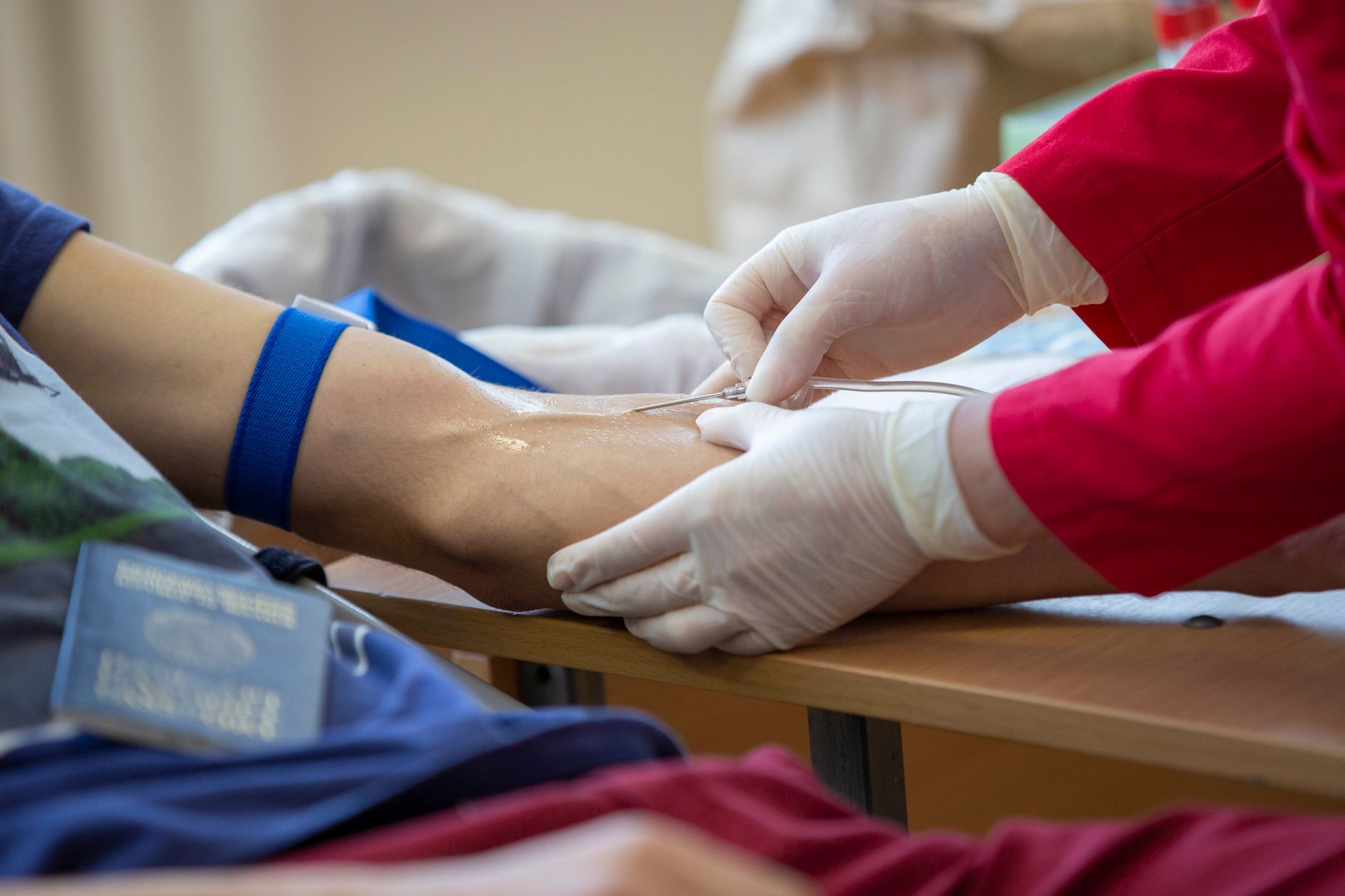
- The Donation: You’ll sit or lie down comfortably. A trained professional will insert a sterile needle into a vein in your arm. Your blood is then drawn into a special machine that separates the plasma. The remaining blood components (red blood cells, white blood cells, platelets) are returned to your body along with a saline solution. This cycle takes about 30-60 minutes.
- Post-Donation: You’ll be asked to rest for a short period, and you’ll receive light refreshments. It’s important to drink plenty of fluids afterward.
Potential Side Effects and How to Manage Them
Most people experience minimal or no side effects. However, some may notice:
- Fatigue: Feeling tired after donation is common.
- Dizziness or Lightheadedness: This can occur, especially if you don't drink enough fluids.
- Bruising or Soreness: At the needle insertion site.
- Cold Sensations: Some people feel a bit cold during the process.
Tips to Minimize Side Effects:
- Stay Hydrated: Drink plenty of water before, during, and after your donation.
- Eat Well: Have a healthy meal before you donate. Avoid fatty foods.
- Avoid Alcohol and Smoking: Refrain from these for at least 24 hours before and after donating.
- Rest: Take it easy for a few hours after your donation.
- Listen to Your Body: If you feel unwell, rest and consult a doctor.
Special Considerations: AB Plasma
Did you know that there’s a type of plasma that’s considered universal? It’s AB plasma. People with blood type AB can donate plasma that can be given to patients of any blood type. This makes AB plasma particularly valuable and highly sought after for transfusions.
When to Consult Your Doctor
While plasma donation is generally safe, it’s always wise to consult your doctor, especially if you plan to donate frequently or if you have any underlying health conditions. Your doctor can:
- Review your medical history to confirm your eligibility.
- Advise on the safest donation frequency for your body.
- Monitor your health through blood tests if you are a frequent donor.
- Help you understand any potential risks associated with your specific health status.
Frequent plasma donation, especially for financial reasons, should always be a decision made in consultation with a healthcare professional to ensure it doesn’t compromise your well-being.
Frequently Asked Questions (FAQ)
Q1: Can I donate plasma if I have diabetes?
It depends on the type of diabetes and how well it is controlled. Generally, if your diabetes is well-managed with diet and/or medication and you have no complications, you might be eligible. You must discuss this with the donation center and your doctor.
Q2: How much money can I earn from donating plasma in India?
The compensation varies significantly between donation centers. It often depends on the center's policies, your frequency of donation, and current demand. You would need to inquire directly with the specific centers in your area.
Q3: Is plasma donation painful?
The only pain involved is the needle stick when the needle is inserted into your vein. The donation process itself is generally not painful.
Q4: What is the difference between donating plasma and donating blood?
When you donate whole blood, all components of your blood are collected. Plasma donation (plasmapheresis) specifically collects plasma, while your red blood cells, white blood cells, and platelets are returned to your body. This allows for more frequent plasma donations compared to whole blood donations.
Q5: How long does it take to replenish plasma after donation?
Your body starts replenishing plasma almost immediately. Most components are restored within 24-48 hours, but it takes longer for protein levels to fully recover, which is why spacing out donations is important.