Plasma donation is a remarkable way to contribute to saving lives and can also offer a financial incentive for donors. In India, understanding the frequency and eligibility for plasma donation is key. This guide aims to provide clear, practical information tailored for Indian readers, helping you navigate the process safely and effectively.
What is Plasma and Why is it Important?
Plasma is the yellowish liquid component of your blood, making up about 55% of its total volume. It's primarily water but also contains vital proteins, antibodies, clotting factors, and other essential substances. These components are crucial for numerous bodily functions, including fighting infections, regulating blood pressure, and transporting nutrients. When you donate plasma, these life-saving elements can be used to treat a variety of medical conditions, from immune deficiencies and clotting disorders to severe burns and, notably, in the form of convalescent plasma for certain viral infections.
Plasma Donation Frequency: What the Guidelines Say
The frequency with which you can donate plasma can vary significantly depending on the donation center and the specific protocols they follow. It's essential to distinguish between different types of donation centers:
- American Red Cross (and similar blood banks): Organizations like the American Red Cross typically have stricter guidelines for plasma donation frequency. They generally allow individuals to donate plasma once every 28 days, which amounts to up to 13 times per year. This approach prioritizes donor safety and allows the body ample time to replenish the donated components.
- Private Plasma Donation Companies: In contrast, many private plasma donation companies, which often operate on a pay-per-donation system, may permit donors to donate plasma much more frequently. Some of these centers allow donations up to twice a week. These companies often focus on collecting plasma for the production of specific pharmaceuticals and therapies.
Important Note for Indian Donors: While the American Red Cross guidelines are widely cited, it's crucial to check the specific policies of the plasma donation centers operating in India. Regulations and practices can differ. Always inquire directly with the center about their donation schedule and any associated requirements.
Eligibility Criteria for Plasma Donation
Not everyone is eligible to donate plasma. Donating plasma is a safe process for most healthy individuals, but certain factors can disqualify you. These are designed to protect both the donor and the recipient of the plasma.
Common Disqualifying Factors:
- Current Illness: If you have a fever, a productive cough, are feeling generally unwell, or are currently taking antibiotics for an active infection, you should not donate. Your body needs to be in good health.
- Low Iron/Hemoglobin: While plasma donation doesn't remove red blood cells like whole blood donation, very low iron or hemoglobin levels might still be a concern for some centers or for overall health. It's best to discuss this with the donation center.
- Medications and Medical History: Certain medications, recent surgeries, or specific medical conditions can affect your eligibility. If you are undergoing treatment for an illness, have had recent blood transfusions, or undergone significant procedures, consult the donation center or your doctor.
- Travel History: Recent travel to certain regions known for specific infectious diseases (like Ebola or Zika virus outbreaks) might lead to a temporary deferral from donating.
- Age and Weight: Donors typically need to be within a certain age range (usually 18-60 years) and meet minimum weight requirements, often around 50 kg (110 lbs).
- General Health: You should not have any chronic illnesses that could be transmitted through blood products or that could be exacerbated by donation.
Always be prepared to answer detailed questions about your health history and lifestyle during the screening process.
The Plasma Donation Process: What to Expect
Donating plasma is a relatively straightforward and safe procedure. Here's a general overview:
- Registration: You'll need to register and provide identification.
- Health Screening: A trained staff member will review your health history and may take your vital signs (temperature, pulse, blood pressure). They will also likely perform a finger prick test to check your hemoglobin levels and blood type.
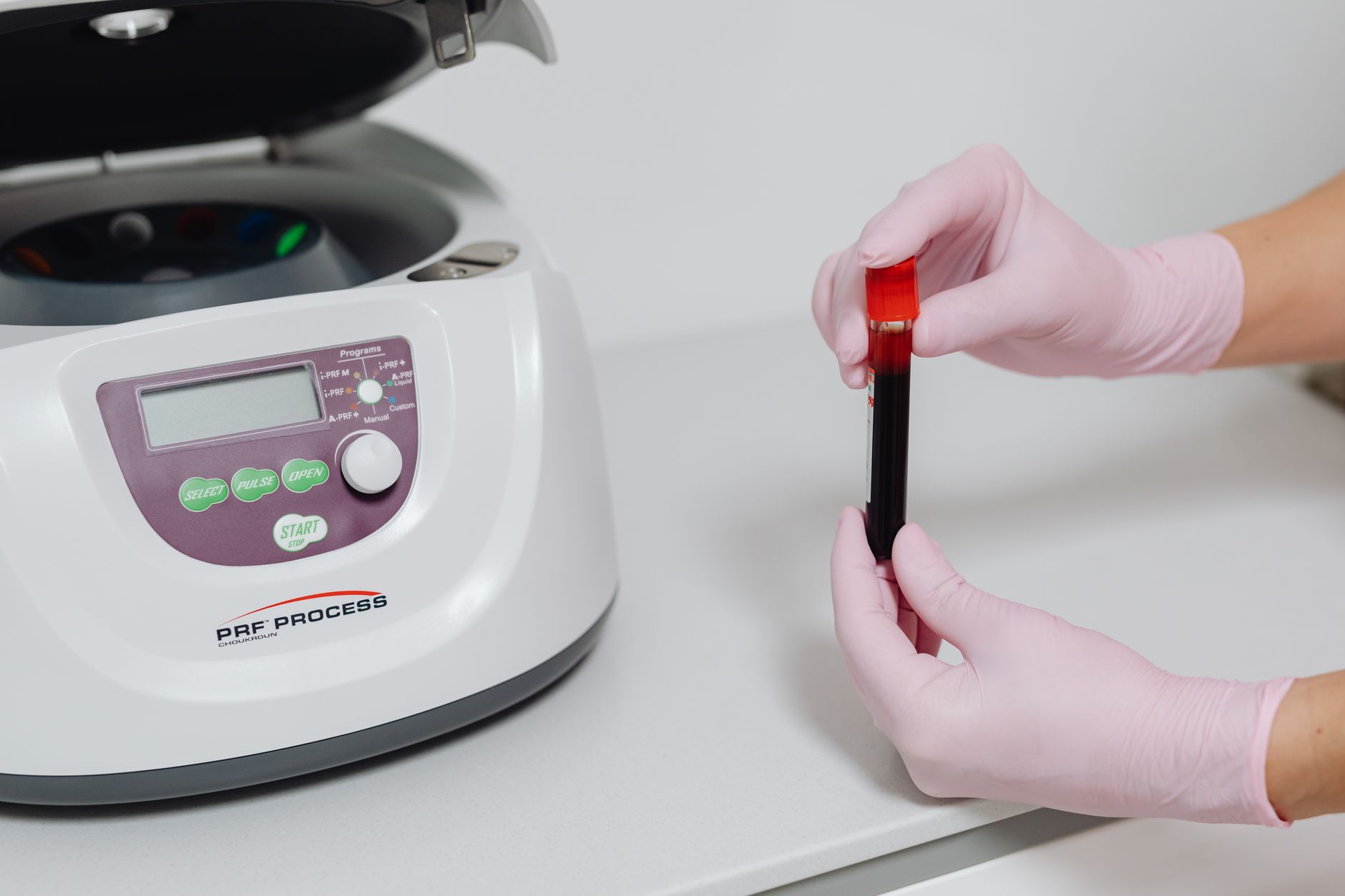
- The Donation: You'll be seated or lie down comfortably. A sterile needle will be inserted into a vein in your arm. Your blood is drawn into a special machine that separates the plasma from the other blood components. The red blood cells and other parts are then returned to your body, along with a saline solution. This process typically takes 30-60 minutes.
- Post-Donation: After the donation, you'll be asked to rest for a short period and will usually be offered a snack and fluids to help your body recover.
Real-life Scenario: Priya, a young professional, was looking for a way to supplement her income. She learned about plasma donation centers in her city that paid donors. After a thorough health screening, she found she was eligible and decided to donate twice a week. She found the process comfortable and appreciated the financial assistance it provided, while knowing her donation was helping others.
Potential Impact of Frequent Plasma Donation
While private companies may allow frequent donations, it's important to be aware of potential impacts. Research suggests that donating plasma too frequently or in large volumes may affect the quality of the plasma. Specifically, studies have indicated that plasma from donors who donate more often might be lower in total protein, albumin, and other important blood markers. This is because the body needs time to replenish these components effectively.
Recommendation: If you plan to donate frequently, especially at private centers, it is highly advisable to consult your doctor. They can monitor your health, review your blood test results, and advise you on the safest donation schedule for your individual body and health status.
The Importance of AB Plasma
While all types of plasma are valuable, AB plasma holds a special significance. This is because AB blood type is considered the 'universal donor' for plasma. This means AB plasma can be safely administered to patients with any blood type, making it incredibly versatile and highly sought after in emergency situations and for patients whose blood type is unknown.
Convalescent Plasma: A Special Type of Donation
Convalescent plasma is plasma donated by individuals who have recovered from a specific infectious disease, such as COVID-19. This plasma contains antibodies that were developed by the donor's immune system to fight the infection. When transfused into a patient currently battling the same disease, these antibodies can potentially help boost their immune response and aid recovery. While research into its effectiveness continues, it has been explored as a potential treatment option during outbreaks.
When to Consult a Doctor Before Donating Plasma
It's always a good idea to consult your doctor before starting to donate plasma, especially if you have any underlying health conditions, are taking medications, or plan to donate frequently. Your doctor can:
- Review your medical history and current health status.
- Advise on potential risks or contraindications specific to you.
- Help you understand how frequent donations might impact your health.
- Provide guidance on maintaining optimal health while being a regular donor.
Frequently Asked Questions (FAQ)
Q1: Can I donate plasma every week in India?
Some private plasma donation centers may allow donations up to twice a week. However, it's crucial to verify the specific policies of the center you plan to visit in India, as regulations can vary.
Q2: Does plasma donation pay?
Yes, many private plasma donation companies offer financial compensation for your donation. The amount can vary based on the center and the frequency of donation.
Q3: Is plasma donation safe?
Plasma donation is generally considered safe for healthy individuals. The process uses sterile equipment, and your body quickly replenishes the donated plasma. However, it's essential to meet the eligibility criteria and follow all guidelines.
Q4: What are the main differences between donating blood and donating plasma?
When you donate whole blood, all components of your blood are collected. Plasma donation, on the other hand, specifically collects the liquid plasma, and your red blood cells and other components are returned to your body. This allows for more frequent plasma donations compared to whole blood donations (which typically have a longer waiting period between donations).
Q5: Can I donate plasma if I have a cold?
No, if you have a fever, cough, or are feeling unwell, you should not donate plasma. You need to be in good health to donate.