

Emergency & Help
24/7 Emergency & General Advisory
🚨 24/7 Medical Emergency
Non-Emergency Advisory
10:00 AM – 6:00 PM, Mon–Sat
For appointments & general queries.
24/7 Emergency & General Advisory
🚨 24/7 Medical Emergency
Non-Emergency Advisory
10:00 AM – 6:00 PM, Mon–Sat
For appointments & general queries.
Stay updated with our latest healthcare news and your appointments.
Discover the surprising reasons why changing your razor blades regularly is essential for smooth skin and preventing irritation, plus tips to make them last longer.

Let's be honest, who among us hasn't stared at that trusty razor in the shower and wondered, "Is it still good for one more go?" You're not alone! Many of us have probably pushed the boundaries of a razor's lifespan longer than we'd care to admit. But here's the scoop: whether you're tidying up your legs, your face, or any other part of your body, a sharp blade is your secret weapon for a smooth, irritation-free shave. As time passes, those blades can become dull, and frankly, a bit germy. An old, blunt blade doesn't just mean a less-than-perfect shave; it can also pave the way for nasty nicks and even unwelcome infections.
For a consistently smooth and safe shaving experience, aiming to replace your razor blades every 5 to 7 shaves is a solid guideline. Think of it as a friendly reminder from your skin to keep things fresh down there!
Even if you're not counting shaves, your razor (and your skin!) will give you clear signals when it's time for a fresh blade. Pay attention to these telltale signs:
Remember that delightful feeling when a brand-new blade just glides effortlessly over your skin? That's the magic of a sharp blade slicing through hair with ease. When a blade starts to dull, this smooth ride turns into a struggle. Instead of cutting cleanly, the razor begins to drag, and you might even feel it tugging at your hairs. Ouch!
A clean, close shave should leave your skin feeling incredibly smooth, like a baby's bottom, even if you have coarse hair. With a dull blade, that smooth finish is a distant dream. You'll likely notice that your skin doesn't feel as smooth, and you might even see and feel the stubble it left behind. It’s a clear sign that the blade isn't doing its job effectively.
Shaving with a dull or damaged razor blade is a direct invitation to skin irritation. Expect razor burn – that uncomfortable redness and stinging sensation – and a higher risk of those pesky ingrown hairs or "razor bumps." These unwelcome guests appear when a hair, after shaving or another hair removal method, decides to grow back into your skin instead of out. This can happen anywhere you shave, from your face and legs to more sensitive areas like your underarms or groin.
If you're seeing redness, feeling that sting, or noticing bumps after shaving, it's a loud and clear message from your skin: change that blade!
If you spot any rust on your razor blade, it's an absolute, non-negotiable sign that it's time to replace it immediately. Now, contrary to some old wives' tales, a rusty razor itself won't give you tetanus. Tetanus is caused by a specific type of bacteria, Clostridium tetani, which thrives in environments like soil and decaying organic matter. However, if your razor has been sitting in a damp environment long enough to rust, it's highly probable that bacteria have taken up residence on it. Introducing these bacteria into even a tiny nick or cut from shaving could lead to an infection.
Shaving with a damaged blade is practically asking for trouble. If you inspect your razor and see obvious signs of wear and tear, such as dents, chips, or uneven, jagged edges, it's a safety hazard. Ditch it right away to avoid painful cuts and potential complications.
Ignoring the signs and continuing to use old, dull, or rusty razor blades can lead to a cascade of unpleasant consequences:
We get it. The cost of replacement blades can add up, especially if you’re diligent about changing them every few shaves. Fortunately, a few simple practices can help extend the life of your current razor blades:
While changing razor blades is a straightforward grooming task, persistent skin issues after shaving warrant attention. If you frequently experience severe razor burn, deep ingrown hairs that are painful or infected, or any signs of skin infection (like increased redness, swelling, pus, or fever), it's time to consult a doctor or a dermatologist. They can help diagnose the underlying cause and recommend appropriate treatments or alternative hair removal methods.
While technically possible, it's generally not recommended, especially if you're shaving sensitive areas. Facial skin can be different from body skin, and using a razor on multiple body parts increases the risk of transferring bacteria, potentially leading to breakouts or infections.
It's best not to clean a rusty razor. Rust indicates significant degradation of the metal, and even if you manage to remove the visible rust, the blade's edge is likely compromised, and bacteria may still be present. Replace rusty blades immediately for safety.
Yes, it can. If you shave daily, your blades will dull faster than someone who shaves only once a week. The 5-7 shave guideline is a general rule, but you might need to adjust it based on your hair type, thickness, and shaving frequency.
Disposable razors are designed for limited use and should be replaced entirely when dull or worn out. Cartridge razors allow you to replace just the blade head. The principle of changing the blades (or the whole unit for disposables) based on sharpness and condition remains the same.
Visit Hospital
Near You

For years, long COVID had no proven treatment — only symptom management. That changed in July 2026, when UCL researchers published trial results showing a structured cognitive rehabilitation program produced lasting improvement in long COVID brain fog. This piece explains what the trial found, how i
July 23, 2026
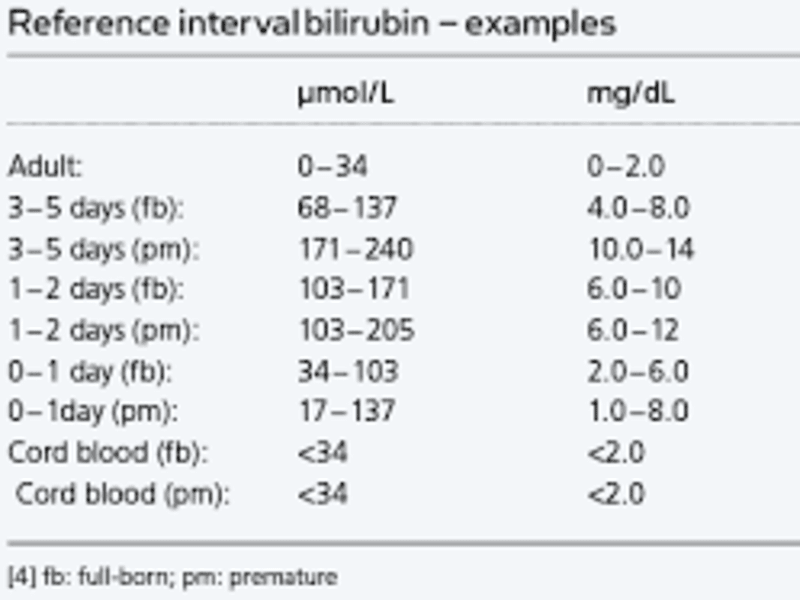
Bilirubin levels help assess liver health. This guide explains normal bilirubin values, types, causes of abnormal levels, symptoms, and when to seek medical advice.
April 11, 2026

Learn how to properly clean and care for your new ear piercing to ensure it heals beautifully and avoid infection. Follow our step-by-step guide for optimal results.
April 1, 2026