

Emergency & Help
24/7 Emergency & General Advisory
🚨 24/7 Medical Emergency
Non-Emergency Advisory
10:00 AM – 6:00 PM, Mon–Sat
For appointments & general queries.
24/7 Emergency & General Advisory
🚨 24/7 Medical Emergency
Non-Emergency Advisory
10:00 AM – 6:00 PM, Mon–Sat
For appointments & general queries.
Stay updated with our latest healthcare news and your appointments.
Learn how to offer genuine comfort and support to someone who is sick. Discover what to say, what to avoid, and how to be truly present for your loved ones during challenging times.

It’s a situation most of us have faced: someone we care about is unwell, and we want to offer support. But what do you say? The fear of saying the wrong thing can sometimes freeze us, leaving us wondering if it’s better to say nothing at all. This guide is here to help you navigate those tricky conversations, offering practical advice grounded in empathy and respect. We’ll explore how to be truly present for someone who is sick, focusing on the power of thoughtful words and genuine connection. Why Finding the Right Words is So Important When illness strikes, it can be an isolating experience. People often feel vulnerable, and their sense of self can be challenged as their health becomes a primary focus. Your words, and how you offer them, can significantly impact their emotional well-being. A well-intentioned but poorly chosen phrase can unintentionally make them feel worse, while a thoughtful message can be a source of immense comfort and strength. It’s not just about saying something; it’s about saying the right thing, in the right way, at the right time. Research highlights this: a 2018 study found that between 50 and 70 percent of intensive care unit patients stayed silent about their concerns, fearing they'd be seen as troublesome. This underscores the need for caregivers and loved ones to create a safe space for open communication. Your approach matters, especially considering how factors like gender, age, race, and economic status can influence a person’s willingness to express themselves. Remember: You're Talking to a Person, Not Just a Condition It’s easy to get caught up in the medical aspects of an illness. We might focus solely on the diagnosis, the treatment plan, or the physical symptoms. However, it’s vital to remember that the person in front of you is more than their sickness. They have a life, interests, and feelings that extend far beyond their current health challenge. Dachos, an expert, points out that focusing exclusively on the illness can make people feel like they are defined by it. On good days, they might feel less sick; on bad days, the illness can feel all-consuming. But being sick is only one facet of who they are. Scenario: Imagine your friend Priya has been dealing with a chronic autoimmune condition for years. When you meet, you instinctively ask, “How’s your condition today?” Priya sighs and says, “It’s just… exhausting. I feel like that’s all anyone ever asks me about.” This is a common experience. Instead of solely focusing on the illness, try asking about other aspects of her life. A better approach might be: “Hey Priya, it’s so good to see you. How have things been going with your work project?” or “I saw that new movie trailer and thought of you – did you get a chance to see it?” This acknowledges her illness without making it the sole topic of conversation and reminds her that you see her as a whole person. Navigating Conversations: What to Say and What to Avoid When you’re unsure, simplicity and sincerity are your best allies. Instead of trying to find the perfect, elaborate sentence, focus on expressing your care and support. Helpful Phrases to Consider: “I’m thinking of you.” This is a simple, powerful statement that lets the person know they are on your mind. “I’m here for you.” This offers a tangible sense of support. Be prepared to follow through if they take you up on it. “How can I help?” This is a direct offer, but be prepared for them to say “nothing.” Sometimes, just asking is enough. If they do have a request, try to be specific if possible (e.g., “Can I bring over dinner on Tuesday?” or “Would you like me to pick up your prescriptions?”). “I’m so sorry you’re going through this.” This acknowledges their struggle without trying to minimize it. “Is there anything you’d like to talk about?” This opens the door for conversation without pressure. “I don’t know what to say, but I want you to know I care.” Honesty can be incredibly disarming and reassuring. Phrases to Use with Caution (or Avoid): “Everything happens for a reason.” While meant to be comforting, this can feel dismissive of their pain and suffering. “At least…” statements (e.g., “At least you still have your job.”). These minimize their current difficulties by comparing them to something worse. “I know how you feel.” Unless you have experienced the exact same illness and circumstances, this can feel presumptuous. It’s better to say, “I can only imagine how difficult this must be.” Offering unsolicited advice. Unless they ask for it, avoid telling them what they *should* do. Comparing their situation to someone else’s. Every illness and person is unique. Spiritual platitudes if you don’t know their beliefs. What brings comfort to one person might not resonate with another. The Power of Listening Sometimes, the greatest gift you can offer is your undivided attention. People who are sick often feel unheard or misunderstood. Healthcare providers, for instance, have been found to interrupt patients very early in their consultations – sometimes within 18 seconds! This can make patients hesitant to share their full concerns. When you listen, you don’t need to have all the answers. Just being present, making eye contact, and nodding shows that you are engaged and value what they are saying. Actionable Tip: When someone is talking about their health, resist the urge to interrupt or finish their sentences. Let them pause, take a breath, and gather their thoughts. This shows respect for their experience and allows them to express themselves fully. Respecting Boundaries and Personal Space It’s essential to be mindful of the person’s energy levels and their desire for privacy. Not everyone wants to discuss their illness openly, especially in certain environments. Consider the Context: Workplace: If you’re in a position of authority over someone who is sick, be sensitive. Asking too many direct questions about their health might make them feel pressured to disclose more than they are comfortable with, especially if they prefer to keep their personal life separate from work. A gentle approach like, “I heard you were unwell, I hope you’re recovering well. Please let me know if there’s anything work-related I can help cover for you,” is often more appropriate. Communication Methods: If you’re reaching out via text or email, acknowledge that a response might take time. You could add, “No need to reply right away, just wanted you to know I’m thinking of you.” This removes the pressure to respond immediately, which can be a relief for someone feeling unwell. Timing: Try to connect when you have ample time to focus. Rushing a conversation can make both parties feel stressed. Setting aside dedicated, distraction-free time can lead to a more meaningful interaction. Understanding Cultural and Personal Beliefs What one person finds comforting, another might not. Beliefs, faith traditions, and cultural backgrounds play a significant role in how people cope with illness and what kind of support they find meaningful. If you know the person well, you likely have a sense of their perspective. If you’re unsure, it’s best to tread lightly and avoid making assumptions. Instead of offering a specific religious or spiritual message, you can focus on universal themes of care and support. A simple “I’m sending you positive thoughts” or “I’m holding you in my thoughts” can be universally understood and appreciated. When to Consult a Doctor While this guide focuses on supporting someone who is sick, it’s also important to remember when professional medical help is needed. If you or someone you know is experiencing severe symptoms, a sudden decline in health, or a condition that is worsening despite home care, seeking medical attention is paramount. Don't hesitate to encourage the person to consult their doctor or to seek emergency care if the situation warrants it. Your role is to offer emotional support, but professional medical advice should always come from qualified healthcare providers. Frequently Asked Questions (FAQ) Q1: What if the person doesn’t want to talk about their illness? That’s perfectly fine. Respect their wishes. You can shift the conversation to lighter topics or simply offer your presence without needing to discuss the illness itself. Acknowledging that you’re there for them, regardless of whether they want to talk about it, can be very reassuring. Q2: Should I visit someone who is sick? Consider the nature of their illness and their preferences. If they have a contagious illness, a virtual visit or phone call might be safer. For non-contagious conditions, ask them directly if they’d like a visit and what time would be best. Always be mindful of their energy levels and don’t overstay your welcome. Q3: Is it okay to bring food or gifts? Often, yes! Bringing a comforting meal, a book, or something to help pass the time can be a thoughtful gesture. However, be mindful of any dietary restrictions they might have due to their illness or treatment. When in doubt, ask beforehand or bring something
In summary, timely diagnosis, evidence-based treatment, and prevention-focused care improve long-term health outcomes.
Visit Hospital
Near You

For years, long COVID had no proven treatment — only symptom management. That changed in July 2026, when UCL researchers published trial results showing a structured cognitive rehabilitation program produced lasting improvement in long COVID brain fog. This piece explains what the trial found, how i
July 23, 2026
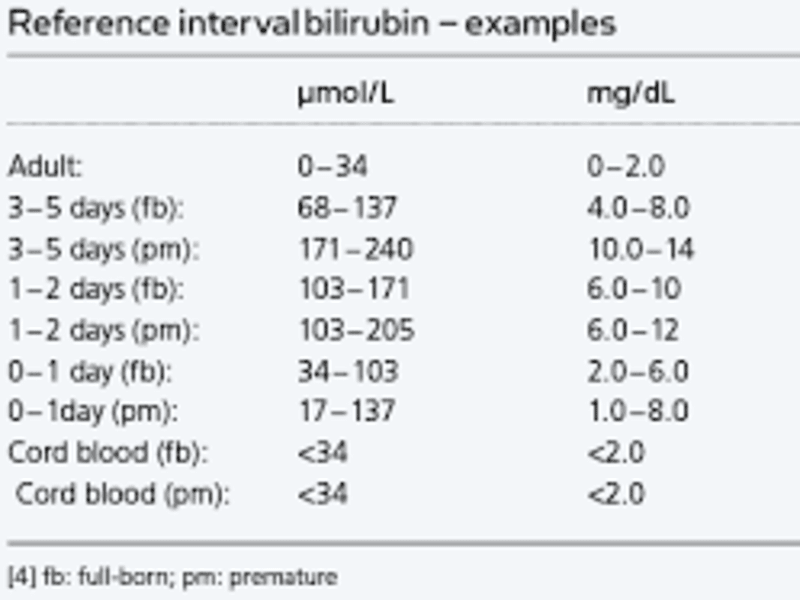
Bilirubin levels help assess liver health. This guide explains normal bilirubin values, types, causes of abnormal levels, symptoms, and when to seek medical advice.
April 11, 2026

Learn how to properly clean and care for your new ear piercing to ensure it heals beautifully and avoid infection. Follow our step-by-step guide for optimal results.
April 1, 2026