

Emergency & Help
24/7 Emergency & General Advisory
🚨 24/7 Medical Emergency
Non-Emergency Advisory
10:00 AM – 6:00 PM, Mon–Sat
For appointments & general queries.
24/7 Emergency & General Advisory
🚨 24/7 Medical Emergency
Non-Emergency Advisory
10:00 AM – 6:00 PM, Mon–Sat
For appointments & general queries.
Stay updated with our latest healthcare news and your appointments.
Struggling with stubborn alcohol breath? Discover the science behind it and learn which temporary fixes actually work to mask the smell, and what doesn't. Plus, find out when to consult a doctor.

Had a bit too much fun last night and now you’re facing the dreaded alcohol breath? We’ve all been there. That lingering smell can be incredibly embarrassing, especially when you have important meetings, social events, or just want to feel fresh. You might think brushing your teeth or chewing a mint will do the trick, but the reality is a bit more complex. Alcohol breath is notoriously stubborn, and it’s not just coming from your mouth!
Understanding why alcohol breath is so persistent is the first step to tackling it. When you consume alcohol, your body begins a process of metabolizing it. Your liver works hard to break down the majority of the alcohol, but a small percentage – roughly 10 percent – doesn’t get fully processed. This un-metabolized alcohol eventually leaves your body through your urine and, yes, your lungs. This is the primary reason why the smell emanates from your breath, not just your mouth. Think of it like a flushed toilet: spraying air freshener might offer a fleeting, pleasant scent, but until the source of the odour is gone, the smell will inevitably return. Similarly, that distinct alcohol aroma will continue to waft from your lungs until your body has fully eliminated the alcohol from your system.
The absorption process starts in your stomach and intestines, where alcohol enters your bloodstream. From there, it circulates throughout your body, and your liver gets to work. However, the liver’s capacity is limited. It can only process a certain amount of alcohol per hour. Anything beyond that limit circulates in your bloodstream, eventually reaching your lungs, where it’s exhaled. This is why even if you manage to mask the smell in your mouth with toothpaste or mouthwash, the underlying odor from your lungs will persist. It’s also why you might still register on a breathalyzer test even if your mouth smells minty fresh!
Let’s be upfront: the only surefire way to completely eliminate alcohol breath is to give your body enough time to metabolize and excrete the alcohol. There’s no magic bullet, no instant cure that will remove the smell from its source. Your body needs to do its work. The rate at which this happens varies greatly from person to person, influenced by factors like your sex, body fat percentage, metabolism, and even whether you’ve eaten food recently. As a general guideline, your body can typically process about one standard drink per hour. However, this is just an average, and many things can speed up or slow down this process.
So, while you might be tempted by quick fixes, remember that most of them are merely temporary distractions, masking the odor rather than eliminating it. If you have an important presentation, a crucial meeting, or a romantic evening planned, these temporary measures can offer some relief, but they won’t make the problem disappear entirely. Patience is key, and allowing your body the time it needs is the most effective, albeit sometimes inconvenient, strategy.
Since time isn’t always on our side, what can you do in a pinch to make your breath more palatable? While these methods won’t eliminate the alcohol from your system, they can help overpower or mask the odor for a while. Experiment to see what works best for you:
A good rinse with mouthwash can certainly help. The minty freshness can temporarily mask the alcohol smell. For potentially better results, consider using an alcohol-based mouthwash. It might sound counterintuitive, but the strong scent of the mouthwash, combined with its own alcohol content, can make it harder for someone to detect the alcohol from your breath. Of course, brushing your teeth right after or before gargling can amplify the freshness.
Cough drops are designed to soothe a sore throat and freshen breath, making them a convenient, albeit slightly sneaky, way to combat alcohol breath. While the flavour doesn’t matter too much, non-fruity options like menthol or eucalyptus might offer a stronger, longer-lasting scent. Pop one in your mouth, and let it work its magic for a temporary reprieve.
The strong aroma of coffee is well-known for its ability to create its own distinct breath. Drinking a cup or two of coffee can sometimes overpower the smell of alcohol. However, be aware that coffee breath itself can also be quite noticeable, so this is more about trading one smell for another. It’s a temporary fix that might work if the alcohol odor is particularly strong.
This one might surprise you, but many people swear by peanut butter. Its thick consistency and strong, distinct aroma can help coat your mouth and throat, potentially masking the alcohol smell for a period. The fat content in peanut butter may also help absorb some of the volatile compounds causing the odour. It’s a bit messy, but if you’re desperate, it might be worth a try!
The go-to for many, strong chewing gum can provide a temporary burst of freshness. Like mouthwash and cough drops, it masks the odor rather than eliminating it. Choose a potent flavour, like peppermint or spearmint, and chew away. The effect will last as long as the gum retains its flavour.
It’s important to separate fact from fiction when it comes to banishing alcohol breath. Some common remedies simply don’t address the root cause:
In most cases, alcohol breath is a temporary consequence of drinking. However, persistent, strong alcohol odour, especially if you haven’t consumed alcohol recently, could indicate an underlying medical issue. Conditions like:
If you notice a persistent, unusual smell on your breath that you can’t explain by recent alcohol consumption, it’s wise to consult your doctor. They can help identify the cause and recommend the appropriate treatment.
A: Alcohol breath can last for several hours, depending on how much you drank and your body’s metabolism. It generally dissipates as your body processes the alcohol, which can take up to 24 hours or more in some cases.
A: Yes. Breathalyzer tests measure the alcohol content in your bloodstream, which is exhaled from your lungs. Masking the smell in your mouth won't change the alcohol concentration in your blood.
A: Drinking water helps you stay hydrated and can rinse your mouth, but it doesn’t significantly speed up the metabolic process of eliminating alcohol from your body. Time is the most effective factor.
A: While some foods like peanut butter can mask the smell temporarily, no specific food can truly neutralize alcohol breath. The smell comes from alcohol being exhaled from your lungs, which requires your body to process the alcohol.
Visit Hospital
Near You
For years, long COVID had no proven treatment — only symptom management. That changed in July 2026, when UCL researchers published trial results showing a structured cognitive rehabilitation program produced lasting improvement in long COVID brain fog. This piece explains what the trial found, how i
July 23, 2026
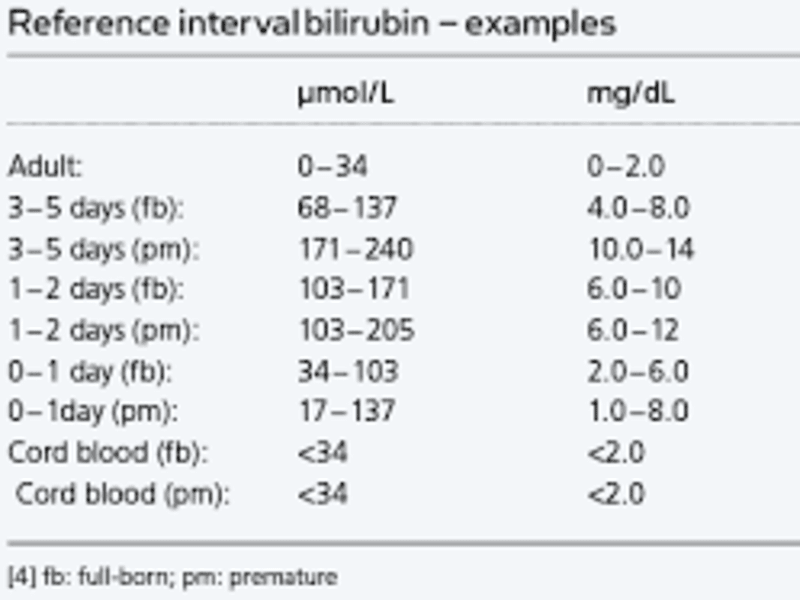
Bilirubin levels help assess liver health. This guide explains normal bilirubin values, types, causes of abnormal levels, symptoms, and when to seek medical advice.
April 11, 2026

Learn how to properly clean and care for your new ear piercing to ensure it heals beautifully and avoid infection. Follow our step-by-step guide for optimal results.
April 1, 2026