

Emergency & Help
24/7 Emergency & General Advisory
🚨 24/7 Medical Emergency
Non-Emergency Advisory
10:00 AM – 6:00 PM, Mon–Sat
For appointments & general queries.
24/7 Emergency & General Advisory
🚨 24/7 Medical Emergency
Non-Emergency Advisory
10:00 AM – 6:00 PM, Mon–Sat
For appointments & general queries.
Stay updated with our latest healthcare news and your appointments.
Learn how to properly clean and maintain your humidifier to ensure healthy indoor air. This guide covers daily care, deep cleaning steps, and tips for choosing and replacing your unit.

A humidifier can be a wonderful addition to your home, especially during dry seasons or if you suffer from dry skin or respiratory issues. It adds much-needed moisture to the air, making your living space more comfortable. However, if you don't maintain your humidifier properly, it can turn from a helpful device into a source of potential health problems. Uncleaned humidifiers can release harmful particles and even mold into the air you breathe, which can be particularly problematic for individuals with asthma or allergies, and can cause flu-like symptoms or lung infections in anyone.
This guide will walk you through the simple yet essential steps to keep your humidifier clean and functioning effectively. We'll cover daily care, deep cleaning methods, and what to do when it's time for a replacement. Ensuring your humidifier is clean means you can continue to enjoy the benefits of moist air without the risks associated with a dirty machine.
Think of your humidifier's tank as a small, stagnant pool of water. Over time, this water can become a breeding ground for bacteria and mold. When the humidifier runs, it disperses this contaminated water vapor into your home. These airborne particles, often invisible to the naked eye, can cause significant respiratory distress. Symptoms might include coughing, wheezing, nasal congestion, or even feverish feelings.
For instance, imagine a family using a humidifier in their child's room during a cold to ease congestion. If the humidifier isn't cleaned regularly, the child might end up with a worse cough or a lung infection, not from the cold itself, but from the contaminated mist. This highlights why diligence in cleaning is not just recommended, but necessary for health.
The U.S. Environmental Protection Agency (EPA) advises that maintaining proper humidity levels, generally between 30-50 percent, is key. Levels above 50 percent can encourage mold and dust mite growth, so using a hygrometer to monitor indoor humidity is a good practice.
Before diving into cleaning, it's helpful to know the basic types of humidifiers, as cleaning methods might vary slightly:
Always consult your specific model's instruction manual for detailed cleaning and maintenance guidelines, as recommended by the manufacturer.
Establishing a daily routine is the most effective way to prevent build-up and keep your humidifier running efficiently. These simple steps take only a few minutes:
This daily rinse-and-dry process significantly reduces the chances of bacteria and mold growth.
In addition to daily care, a more thorough cleaning is necessary every 3 to 7 days, depending on your usage and water type. Here’s how:
Even with regular cleaning, humidifiers don't last forever. Here are signs that it might be time for a new one:
Consider replacing your humidifier every 2-5 years, depending on the model and usage.
When purchasing a new humidifier, consider these factors:
While bleach is a disinfectant, it's generally not recommended for humidifiers due to the risk of inhaling bleach fumes. Vinegar and hydrogen peroxide are safer alternatives for home use.
Distilled or demineralized water is best. Tap water contains minerals that can leave white dust and promote scale build-up inside the humidifier, making it harder to clean and potentially dispersing these minerals into the air.
Filter replacement frequency varies by model and usage. Most manufacturers recommend replacing filters every 1-3 months. Always check your user manual for specific recommendations.
This is usually due to minerals in tap water. Using distilled or demineralized water will prevent this. It can also indicate that the unit needs a thorough cleaning and descaling.
It's safe if the humidifier is kept clean and the humidity levels are monitored. Aim for 30-50% humidity. Excessive humidity can lead to mold and dust mite problems. Using a hygrometer is recommended.
Visit Hospital
Near You

For years, long COVID had no proven treatment — only symptom management. That changed in July 2026, when UCL researchers published trial results showing a structured cognitive rehabilitation program produced lasting improvement in long COVID brain fog. This piece explains what the trial found, how i
July 23, 2026
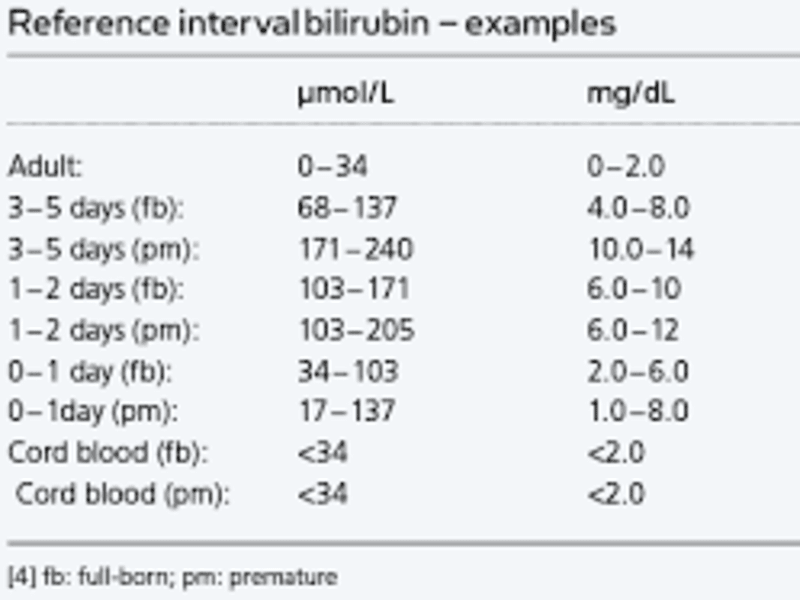
Bilirubin levels help assess liver health. This guide explains normal bilirubin values, types, causes of abnormal levels, symptoms, and when to seek medical advice.
April 11, 2026

Learn how to properly clean and care for your new ear piercing to ensure it heals beautifully and avoid infection. Follow our step-by-step guide for optimal results.
April 1, 2026