

Emergency & Help
24/7 Emergency & General Advisory
🚨 24/7 Medical Emergency
Non-Emergency Advisory
10:00 AM – 6:00 PM, Mon–Sat
For appointments & general queries.
24/7 Emergency & General Advisory
🚨 24/7 Medical Emergency
Non-Emergency Advisory
10:00 AM – 6:00 PM, Mon–Sat
For appointments & general queries.
Stay updated with our latest healthcare news and your appointments.
Feeling perpetually cold? Learn practical ways to safely increase your body temperature, from simple exercises and warm drinks to layering and recognizing when to seek medical advice.
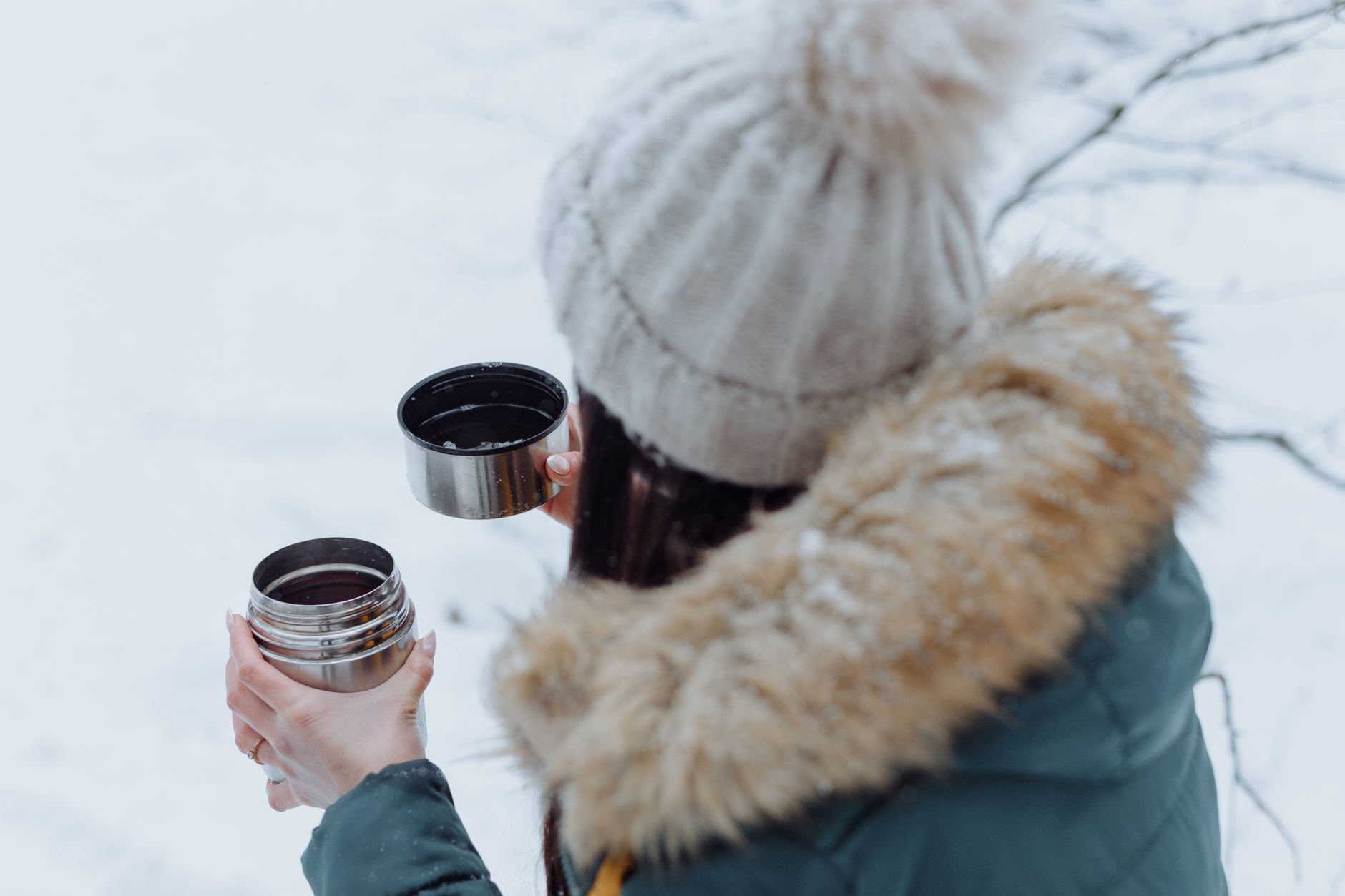
Feeling a persistent chill that even layers of clothing can't seem to shake? It's a common experience, especially during colder months or if you're spending time outdoors in less-than-ideal temperatures. Your body has a remarkable system for regulating its internal warmth, managed by a part of your brain called the hypothalamus. This incredible mechanism constantly compares your current temperature to your body’s “normal” range, typically between 97°F (36.1°C) and 99°F (37.2°C) . While 98.6°F (37°C) is often cited as the average, remember that a “normal” temperature is more of a range and can vary slightly from person to person. Interestingly, as we age, our core body temperature might naturally decrease a bit, with individuals over 65 often having a normal temperature below the traditional average. However, if your core temperature dips below 95°F (35°C) , you're entering the territory of hypothermia, a serious medical condition that requires immediate attention. For most of us, however, the concern is more about feeling uncomfortably cold and looking for ways to gently warm up. This might happen due to drafty homes, inadequate heating, or prolonged exposure to cold air. When your body senses it's getting too cold, it kicks into gear to generate heat. While your core temperature remains relatively stable unless a serious issue like hypothermia arises, your skin temperature—how your hands, feet, and face feel—can drop noticeably as heat escapes your body. Fortunately, there are many practical and safe strategies you can employ to help raise your body temperature, from simple physical activities to dietary adjustments. Let’s explore some effective methods to help you feel warmer and more comfortable. Simple Ways to Warm Up Your Body When you start feeling that tell-tale shiver or notice your fingers and toes turning cold, your body is signaling it needs to generate more heat. Here are several effective strategies to help boost your internal temperature. 1. Get Moving with Gentle Physical Activity Physical activity is a fantastic way to increase blood flow and generate internal warmth. However, it’s important to choose the right kind of movement. While intense cardio like running can sometimes lead to a temporary drop in skin temperature due to sweating, simpler, more focused movements can be more effective for raising your core temperature. Jumping Jacks: A few quick jumping jacks can effectively get your heart rate up and improve circulation. Just ensure you have a safe, non-slippery surface to perform them on. Walking: Even a brisk walk, whether you’re going somewhere or just pacing around your home or a safe outdoor space, can help keep your blood circulating and prevent your body temperature from dropping. Keep the pace moderate, especially if you are outdoors in very cold weather, to avoid overexertion and potential injury. Stay Active Outdoors: If you must work or spend time outside, the key is continuous, moderate movement. Avoid pushing yourself too hard, especially if your muscles aren’t warmed up. Gentle activities like walking or light calisthenics will help keep blood flowing. The goal is to keep your body's internal engine running smoothly without causing it to overheat or dehydrate. 2. Utilize Your Armpits for Warmth Did you know your armpits are a natural heating center for your body? When your extremities start to feel numb, tucking your hands under your armpits can quickly help warm them up. This simple act conserves your body's existing heat and directs it towards your cooler fingers. 3. Layer Up Smartly The concept of “bundling up” is more than just a cozy feeling; it’s a practical way to boost your body temperature. Wearing multiple layers of clothing traps air between the fabrics, creating an insulating effect that keeps your body heat close to your skin. Hats and Gloves: Don’t underestimate the power of accessories. Your head can lose a significant amount of heat, and since it can't shiver, a hat is essential for warming it up. Similarly, keeping your hands and feet covered with gloves and warm socks helps preserve your core body temperature. Choose the Right Fabrics: Opt for materials that are good insulators. Wool and fleece are excellent choices for trapping heat. By layering effectively, you create a personal microclimate that helps your body maintain its optimal temperature. 4. Warm Foods and Beverages What you consume can have a direct impact on how warm you feel. Warm foods and drinks can provide an immediate warming sensation and help raise your internal temperature. Hot Drinks: A steaming cup of tea, coffee, or hot chocolate can be incredibly soothing and warming. The heat transfers to your body as you drink it, and the warmth can be felt throughout your system. Herbal teas like ginger or cinnamon can offer an extra warming effect. Warm Soups and Stews: Consuming warm, hearty meals like soups or stews is another excellent way to warm yourself from the inside out. The heat from the food helps to raise your body temperature gradually. Spicy Foods: Foods containing spices like chili peppers, ginger, and garlic can also stimulate your metabolism and generate heat. Consider incorporating these warming elements into your diet when you feel the cold setting in. 5. Take a Warm Bath or Shower Immersing yourself in warm water is one of the quickest and most effective ways to raise your body temperature. A warm bath or shower not only warms your skin but also helps to relax your muscles and improve circulation, contributing to a feeling of overall warmth. 6. Use a Hot Water Bottle or Heating Pad For targeted warmth, a hot water bottle or an electric heating pad can be very beneficial. Apply it to areas with large blood vessels close to the skin, such as your groin, armpits, or neck, to help warm your blood as it circulates. 7. Stay Hydrated While it might seem counterintuitive, staying hydrated is important even when you feel cold. Dehydration can actually lower your body temperature. Ensure you're drinking enough water throughout the day, and opt for warm liquids if possible. 8. Gentle Movement Indoors Even if you can’t go outside, there are plenty of ways to warm up indoors. Try some light stretching, yoga poses that involve gentle movement, or even dancing to your favorite music. The key is to keep your body active and your blood flowing. 9. Dry Off and Change Clothes If you’ve been exposed to dampness or sweat, changing into dry clothes can make a significant difference. Damp clothing can wick away body heat, making you feel colder. A simple trick, as mentioned in Healthline's article, is to run your dryer for a few minutes with a fresh load of clothes and then change into those warm, dry garments. When to Seek Medical Help While the methods above are generally safe for raising your body temperature when you feel a bit chilly, it's crucial to recognize when low body temperature might indicate a more serious problem. Recognizing Hypothermia Hypothermia occurs when your core body temperature drops dangerously low, below 95°F (35°C). Symptoms can include: Shivering (which may stop as hypothermia progresses) Slurred speech Drowsiness or confusion Loss of coordination Weak pulse Shallow breathing If you suspect someone is experiencing hypothermia, seek emergency medical attention immediately. Other Concerns Persistent feelings of coldness, especially if accompanied by other symptoms like unexplained weight loss, fatigue, or changes in skin or hair, could be related to underlying medical conditions such as hypothyroidism or anemia. If you frequently feel cold despite taking measures to warm up, it's advisable to consult your doctor. A Real-Life Scenario Consider Mrs. Sharma, an elderly woman living alone in Delhi. On a particularly cold winter morning, she wakes up feeling unusually chilled, even after putting on her shawl. Her hands feel stiff, and she’s hesitant to get out of her warm bed. She decides to try a few things: she puts on an extra pair of warm socks, makes herself a cup of ginger tea, and does a few gentle leg raises while still in bed. Within fifteen minutes, she notices her fingers are less stiff, and she feels warm enough to start her day. Frequently Asked Questions (FAQ) What is considered a normal body temperature? A normal body temperature is generally considered to be in the range of 97°F (36.1°C) to 99°F (37.2°C). This can vary slightly from person to person and may decrease slightly with age. Can stress affect body temperature? Yes, stress can affect body temperature. The body's stress response can lead to changes in blood flow and metabolism, which might cause you to feel warmer or colder. Are there any foods that can make you feel colder? While not many foods directly make you feel colder, consuming very cold foods or drinks can temporarily lower your internal temperature. Some individuals also find that certain foods can affect their circulation, leading to a feeling of coldness. How quickly can you warm up? With the right methods, such as a warm bath, hot drinks, or gentle exercise, you can often start to feel warmer within 15-30 minutes. More severe cases of
In summary, timely diagnosis, evidence-based treatment, and prevention-focused care improve long-term health outcomes.
Visit Hospital
Near You
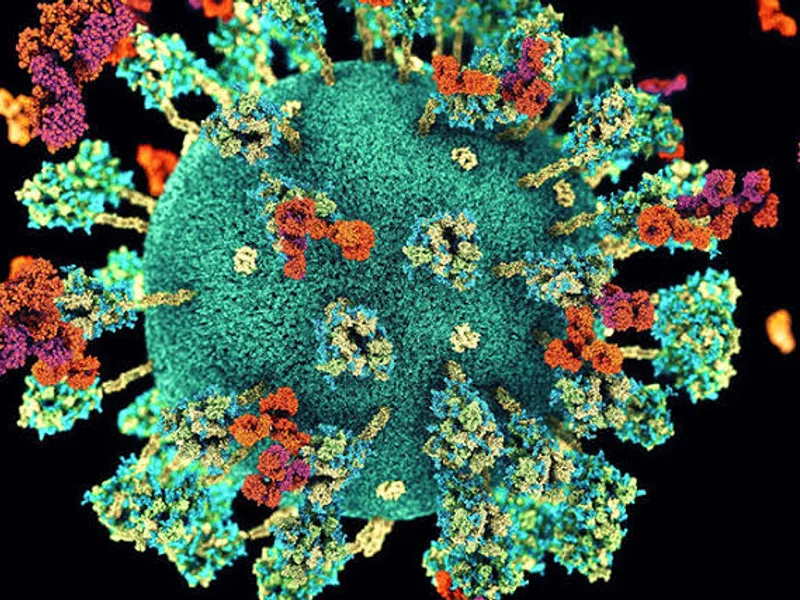
For years, long COVID had no proven treatment — only symptom management. That changed in July 2026, when UCL researchers published trial results showing a structured cognitive rehabilitation program produced lasting improvement in long COVID brain fog. This piece explains what the trial found, how i
July 23, 2026
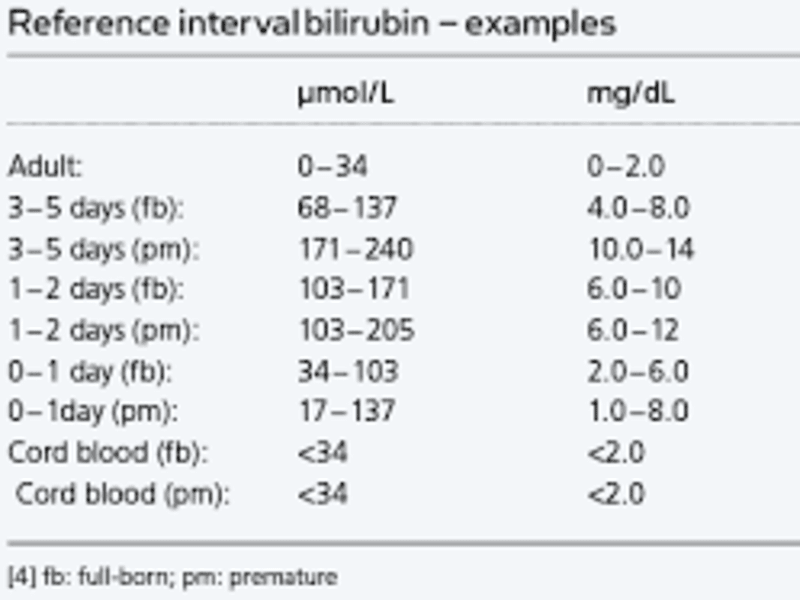
Bilirubin levels help assess liver health. This guide explains normal bilirubin values, types, causes of abnormal levels, symptoms, and when to seek medical advice.
April 11, 2026

Learn how to properly clean and care for your new ear piercing to ensure it heals beautifully and avoid infection. Follow our step-by-step guide for optimal results.
April 1, 2026