

Emergency & Help
24/7 Emergency & General Advisory
🚨 24/7 Medical Emergency
Non-Emergency Advisory
10:00 AM – 6:00 PM, Mon–Sat
For appointments & general queries.
24/7 Emergency & General Advisory
🚨 24/7 Medical Emergency
Non-Emergency Advisory
10:00 AM – 6:00 PM, Mon–Sat
For appointments & general queries.
Stay updated with our latest healthcare news and your appointments.
Accidentally got paint on your skin? Don't worry! Learn the best, safest ways to remove both water-based and oil-based paints from your skin using common household items. Plus, find out when to seek medical help.
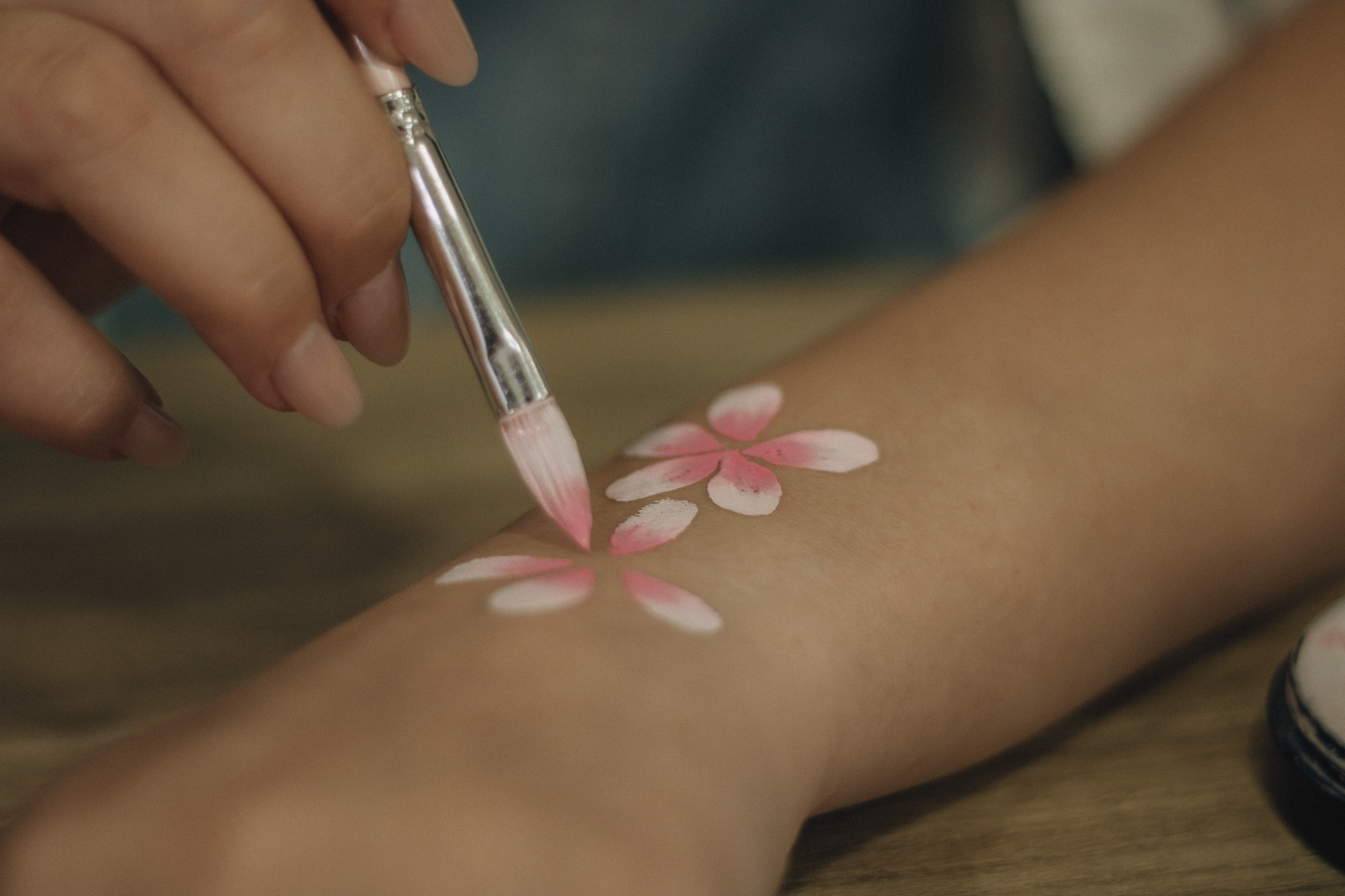
Accidents happen, especially when you’re busy with DIY projects or creative pursuits. One common mishap is getting paint on your skin. Whether you’re painting a room, touching up furniture, or working on an art project, paint splashes and drips can easily end up on your hands, arms, or face. While it might seem like a stubborn stain, most paints can be removed from your skin with the right approach. The key is to act quickly and choose the method that suits the type of paint you’re dealing with. Understanding Different Paint Types and Their Removal The first step in effectively removing paint from your skin is identifying the type of paint. This will dictate the best removal method. Broadly, paints fall into two main categories: water-based and oil-based. Each has unique properties that affect how they interact with your skin and how easily they can be cleaned off. Water-Based Paints: Easy Does It Water-based paints are generally the easiest to remove. This category includes common types like: Acrylic paints Latex paints Fabric paints Spray paints (many are water-based) These paints contain water as their primary solvent. This means they are soluble in water, making cleanup relatively straightforward. Even if the paint has dried, it usually responds well to water and soap. Steps for Removing Water-Based Paint: Start with Water: If the paint is still wet, rinse the affected area thoroughly with cool water. This can often remove a significant amount of the paint before it has a chance to dry. Lather Up: For dried or stubborn water-based paint, apply a generous amount of mild soap (bar soap or liquid dish soap works well) to the area. Lather it up well. Gentle Scrubbing: Gently scrub the painted skin for a few minutes. You can use your hands, a soft washcloth, or a gentle sponge. Avoid abrasive materials that could irritate your skin. Rinse and Repeat: Rinse the area completely with water. Inspect your skin to see if the paint is gone. If traces remain, repeat the lathering and scrubbing process. Patience is key here. Consider Rubbing Alcohol: For particularly stubborn dried water-based paint, a small amount of rubbing alcohol (isopropyl alcohol) can help dissolve the paint. Apply it to a cotton ball or pad, gently rub the painted area, and then wash thoroughly with soap and water. Always test a small patch of skin first, as alcohol can be drying. Oil-Based Paints: A Little More Effort Oil-based paints, including oil and enamel paints, are more challenging to remove. They use oil or solvent as the base, which doesn’t easily dissolve in water. While effective for painting, these paints require a different approach for skin cleanup. Important Note: While solvents like turpentine and paint thinner are very effective at removing oil-based paint from brushes, it’s generally not recommended to use them directly on your skin regularly. These chemicals can be harsh, potentially cause skin irritation, dryness, or even allergic reactions. Some solvents are also linked to more serious health concerns with prolonged exposure. Always prioritize skin-safe methods first. Safer Methods for Removing Oil-Based Paint: If you have a small amount of oil-based paint on your skin, here are safer ways to tackle it: Embrace Oils: The best natural way to break down oil-based paint is by using other oil-based substances. Consider these options: Vegetable oil Olive oil Baby oil Mayonnaise (its oil content works well) Application: Apply a generous amount of your chosen oil-based product directly to the painted area. Loosen the Paint: Gently rub the oil into the paint for a few minutes. You’ll feel the paint start to loosen and become more pliable. Wipe Away: Use a paper towel or a soft cloth to gently wipe away the loosened paint and the oil. Wash Thoroughly: Once most of the paint is removed, wash the area well with soap and warm water to remove any remaining paint residue and the oil. Repeat if necessary. Using Solvents (with Caution): If natural oils aren't cutting it, and you have only a small amount of oil-based paint, you might consider a small amount of turpentine or a specific paint remover designed for skin. However, this should be a last resort. Apply a tiny dab of glycerin first to help loosen the paint, then apply a very small amount of solvent to a cotton ball and gently rub. Immediately wash the area thoroughly with soap and water. Be extremely careful to avoid eyes and mouth, and do not use this method on sensitive or broken skin. If you experience any redness, burning, or irritation, wash the area immediately and thoroughly with soap and water. Dealing with Primers and Other Paints Primers, whether for indoor or outdoor use, can be either oil-based or water-based. Always check the product label to determine the base. Once you know, follow the appropriate removal method described above for either water-based or oil-based paints. When Paint Might Stain Your Skin Most common paints are not designed to permanently stain the skin. They are typically temporary and will fade or wash off. However, certain factors can make paint linger longer: Concentrated Pigments: Some natural paints or those with very high pigment concentrations might take longer to fade. Skin Condition: Dry, cracked, or rough skin can sometimes hold onto paint pigments more than smooth, healthy skin. Type of Paint: As discussed, oil-based paints are generally more persistent than water-based ones. In most cases, even stubborn paint marks will disappear within a day or two with regular washing. If a faint stain remains, a gentle exfoliation with soap and a washcloth can help speed up the process. A Real-Life Scenario Imagine Priya, a budding artist, was working on a vibrant acrylic mural for her balcony. In her enthusiasm, she accidentally smeared bright blue paint across her forearm. She panicked for a moment, thinking it would be a permanent mark. Remembering her art class lessons, she quickly went to the sink, wet the area, lathered it with her usual dish soap, and gently scrubbed with a soft cloth. Within a few minutes of rinsing and repeating, the blue paint was gone, leaving her skin clean and ready for her next brushstroke. Prevention is Key While removing paint is usually manageable, preventing it from getting on your skin in the first place is even better. Consider these tips: Wear Protective Gear: Always wear old clothes or an apron when painting. For extensive projects, consider wearing disposable gloves. Protect Your Skin: If you’re concerned about splashes, especially with oil-based paints, apply a barrier cream or petroleum jelly to exposed skin like your hands and wrists. This can make paint removal easier. Work in a Ventilated Area: This is important for your respiratory health and also helps paint dry faster, reducing the chance of smearing. Keep Supplies Handy: Have soap, water, and paper towels readily accessible while you’re painting. When to Seek Medical Advice For the vast majority of paint-on-skin incidents, home remedies are sufficient. However, you should consult a doctor or healthcare professional if: Severe Reaction: You experience a severe allergic reaction, such as intense itching, redness, swelling, or blistering, after contact with the paint or any removal product. Chemical Burns: You used harsh solvents and suspect a chemical burn. Paint in Eyes or Mouth: You accidentally got paint or solvents in your eyes or mouth. This requires immediate medical attention. Unknown Paint Type: You are unsure of the paint type and it contains potentially hazardous chemicals. Persistent Irritation: The skin remains irritated, red, or painful for more than a day or two after removal attempts. Remember, your skin is your body's largest organ, and it deserves care. Choose the gentlest method that works for your specific situation. Happy painting, and stay safe! Frequently Asked Questions (FAQ) Q1: Can paint permanently stain my skin? Most common paints, especially water-based ones, do not permanently stain the skin. They are temporary and will fade or wash off over time. Very concentrated pigments or oil-based paints might take a bit longer to remove completely. Q2: Is it safe to use paint thinner on my skin? It is generally not recommended to use paint thinner or strong solvents directly on your skin regularly. These chemicals can be harsh, cause irritation, dryness, or allergic reactions. Use them only as a last resort, in small amounts, with extreme caution, and wash thoroughly afterward. Prioritize gentler, oil-based methods or soap and water. Q3: How long does it take for paint to come off skin? If you use the correct method for the paint type and act quickly, most paint can be removed within minutes to an hour. If a faint mark remains, it will usually disappear within 1-2 days with normal washing. Dry or cracked skin might retain pigment slightly longer. Q4: What if I get spray paint on my skin? Many spray paints are water-based. Start by washing the area with soap and water. If it’s dried, try rubbing alcohol on a cotton ball, followed by washing with soap and water. If it’s
In summary, timely diagnosis, evidence-based treatment, and prevention-focused care improve long-term health outcomes.
Visit Hospital
Near You
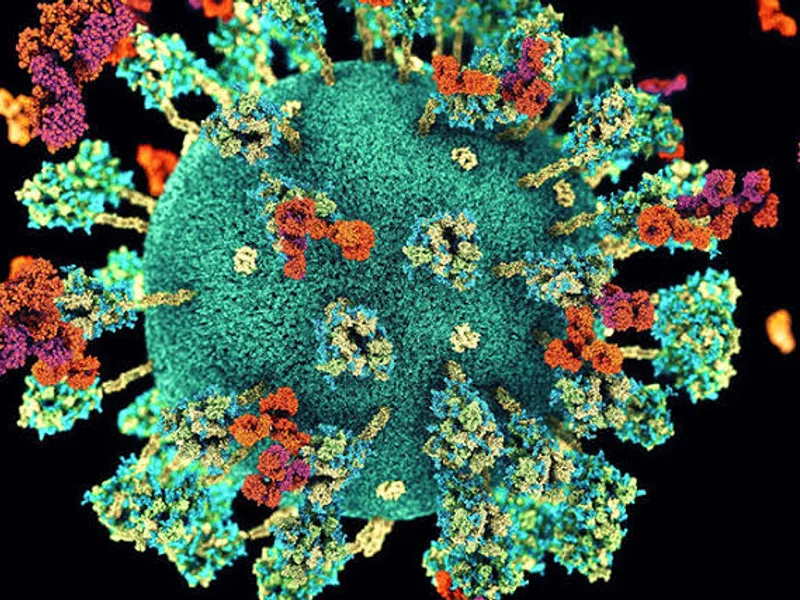
For years, long COVID had no proven treatment — only symptom management. That changed in July 2026, when UCL researchers published trial results showing a structured cognitive rehabilitation program produced lasting improvement in long COVID brain fog. This piece explains what the trial found, how i
July 23, 2026
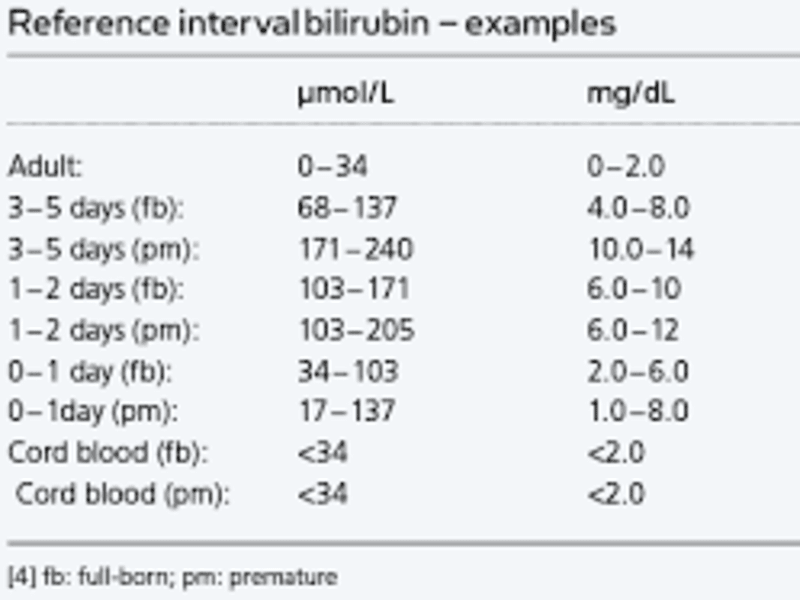
Bilirubin levels help assess liver health. This guide explains normal bilirubin values, types, causes of abnormal levels, symptoms, and when to seek medical advice.
April 11, 2026

Learn how to properly clean and care for your new ear piercing to ensure it heals beautifully and avoid infection. Follow our step-by-step guide for optimal results.
April 1, 2026