

Emergency & Help
24/7 Emergency & General Advisory
🚨 24/7 Medical Emergency
Non-Emergency Advisory
10:00 AM – 6:00 PM, Mon–Sat
For appointments & general queries.
24/7 Emergency & General Advisory
🚨 24/7 Medical Emergency
Non-Emergency Advisory
10:00 AM – 6:00 PM, Mon–Sat
For appointments & general queries.
Stay updated with our latest healthcare news and your appointments.
Discover practical tips and long-term strategies to manage and stop sneezing, from quick tricks to identifying and avoiding triggers. Learn how to tame that sneeze!

Sneezing. It’s that sudden, involuntary expulsion of air from your nose and mouth. We’ve all been there – that tickle in your nose that builds and builds, threatening an explosive sneeze at the most inconvenient moment. Whether it’s a sudden burst of dust, a whiff of strong perfume, or the dander from a furry friend, sneezing is your body’s way of clearing out irritants. But what if you could tame that sneeze before it happens? While completely stopping a sneeze is difficult, there are several effective tricks and strategies you can employ to either delay it or prevent it altogether. This guide will walk you through understanding why you sneeze, identifying your triggers, and practical methods to manage this common bodily reflex, tailored for our readers in India.
Sneezing, medically known as sternutation, is a reflex action. Think of it as your body’s alarm system for your nasal passages. When tiny particles like dust, pollen, pet dander, or even germs irritate the sensitive lining of your nose, nerve endings send a signal to your brain. Your brain then orchestrates a powerful expulsion of air to clear out the offending substance. It’s a semiautonomous reflex, meaning while you can’t consciously decide to sneeze, you do have some limited control over delaying or suppressing it. It’s a natural and essential bodily function designed to protect your respiratory system.
Identifying what makes you sneeze is the first step towards managing it. Common triggers include:
When you feel that tickle and the urge to sneeze is imminent, here are some quick techniques you can try:
This is a popular and often effective method. Try pressing your tongue firmly against the roof of your mouth. Apply steady pressure for about 5 to 10 seconds. This can sometimes distract the nerves and dissipate the sneeze reflex. It’s like gently distracting your body’s sneeze alarm.
Gently pinching the bridge of your nose, just below your eyebrows, might help. Be careful not to apply too much pressure, as this could potentially worsen the irritation. The aim is to subtly alter the air pressure or sensation in your nasal passages.
Sometimes, the irritant is still in your nasal passage. Gently blowing your nose can help expel the particle and stop the sneeze before it fully forms. Keep tissues handy!
This is a fun, though unproven, method. As you feel the sneeze coming, try saying an unusual or silly word out loud, like “pickles” or “kumquat.” The idea is that the distraction might break the sneeze cycle. It’s worth a try if you’re caught off guard!
This is a more advanced technique and requires a bit of dexterity. Using the tip of your tongue, try to gently tickle the uvula (the dangly bit at the back of your throat). This can sometimes interrupt the sneeze reflex. However, this can be uncomfortable for some.
If you find yourself sneezing frequently, addressing the underlying cause is key. This often involves lifestyle adjustments and, sometimes, medical intervention.
Keep a Sneezing Diary: Note down when, where, and under what circumstances you sneeze the most. Are you sneezing more at home, at work, or outdoors? Does it happen at certain times of the year? This can help pinpoint specific triggers like dust mites in your bedroom, pollen during monsoon, or pet dander from a neighbour’s cat.
Environmental Control: If dust or pollution is a problem, consider using air purifiers at home and work. Keep windows closed during high pollen seasons. Regularly clean your living spaces, especially vacuuming carpets and dusting surfaces. Use a damp cloth for dusting to trap particles effectively.
If allergies are suspected, consult a doctor. They can help confirm the diagnosis through allergy testing and recommend appropriate treatments.
Over-the-Counter (OTC) Medications: Antihistamine tablets (like Cetirizine or Loratadine) can help manage allergic reactions. Intranasal corticosteroid sprays (like Fluticasone or Triamcinolone) are very effective at reducing nasal inflammation. These are generally safe for long-term use when taken as directed, but it’s always best to discuss with your doctor or pharmacist.
Prescription Medications: For severe allergies, your doctor might prescribe stronger medications or immunotherapy (allergy shots).
Certain occupations expose individuals to more airborne irritants. If you work with chemicals, dust, or other potentially harmful particles, always wear appropriate protective gear, such as a mask or respirator. Ensure your workplace has good ventilation systems. Discussing workplace safety with your employer is also important.
If you suffer from photic sneezing, wearing sunglasses, especially polarized ones, when you step outside can make a significant difference. Putting them on before you go out can prevent the trigger from affecting you.
If you experience snatiation after meals, try chewing your food more slowly and eating smaller portions. This can reduce the digestive load and potentially prevent sneezing.
While occasional sneezing is normal, you should consult a doctor if:
A doctor can diagnose the underlying cause, whether it’s allergies, a sinus infection, or another condition, and recommend the most effective treatment plan for you.
Ramesh, a software engineer in Bengaluru, noticed he was sneezing non-stop every morning as soon as he opened his curtains to the bright sunlight. The sneezing fits were so intense they sometimes made his eyes water, disrupting his morning routine. He suspected it might be the bright light, as he didn’t have a runny nose or other cold symptoms. Following advice, he started wearing his sunglasses before opening the curtains and found that it significantly reduced his morning sneezes, allowing him to start his day more peacefully.
Yes, absolutely. A sneeze can expel respiratory droplets containing viruses and bacteria into the air, which can then be inhaled by others. This is why covering your mouth and nose when you sneeze, preferably with a tissue or your elbow, is so important to prevent the spread of infections.
It is extremely difficult, if not impossible, to sneeze with your eyes open. The sneeze reflex is closely linked with the eyelid reflex, causing your eyes to close involuntarily. This is thought to be a protective mechanism to prevent germs from entering your eyes.
While stress doesn't directly cause sneezing in the same way an allergen does, it can exacerbate existing conditions like allergies or asthma. High stress levels can sometimes lead to a heightened inflammatory response in the body, potentially making you more sensitive to triggers.
Try one of the quick tricks like pressing your tongue to the roof of your mouth or gently pinching your nose. If those don't work, try to subtly turn your head away from others and cover your mouth with your hand or sleeve. If you can, excuse yourself briefly to get a tissue.
Visit Hospital
Near You
For years, long COVID had no proven treatment — only symptom management. That changed in July 2026, when UCL researchers published trial results showing a structured cognitive rehabilitation program produced lasting improvement in long COVID brain fog. This piece explains what the trial found, how i
July 23, 2026
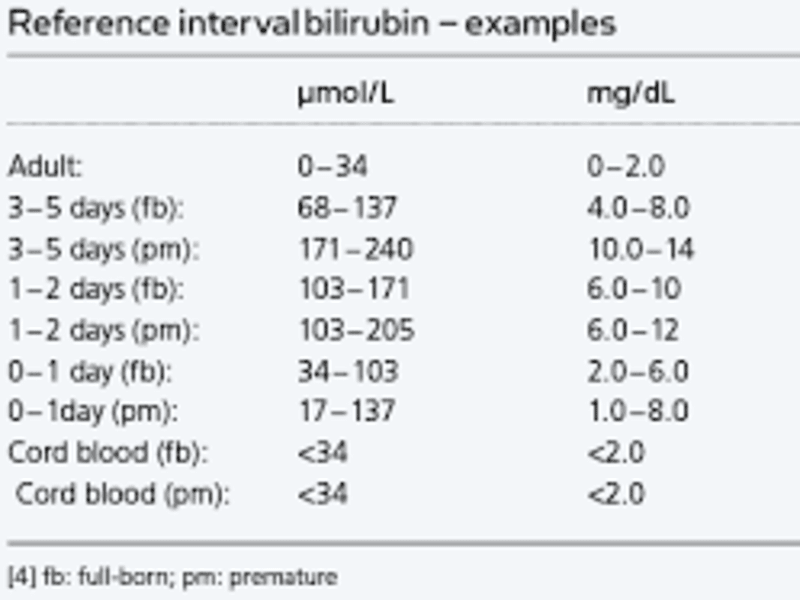
Bilirubin levels help assess liver health. This guide explains normal bilirubin values, types, causes of abnormal levels, symptoms, and when to seek medical advice.
April 11, 2026

Learn how to properly clean and care for your new ear piercing to ensure it heals beautifully and avoid infection. Follow our step-by-step guide for optimal results.
April 1, 2026