

Emergency & Help
24/7 Emergency & General Advisory
🚨 24/7 Medical Emergency
Non-Emergency Advisory
10:00 AM – 6:00 PM, Mon–Sat
For appointments & general queries.
24/7 Emergency & General Advisory
🚨 24/7 Medical Emergency
Non-Emergency Advisory
10:00 AM – 6:00 PM, Mon–Sat
For appointments & general queries.
Stay updated with our latest healthcare news and your appointments.
Thinking about a wrist tattoo? Discover why this popular spot can be painful, understand the factors influencing your sensation, and learn tips to manage discomfort before, during, and after your ink session.

So, you're thinking about getting a tattoo, and the wrist is calling your name. It's a popular spot, no doubt about it! But before you book that appointment, a big question looms: Just how much does a wrist tattoo hurt? Many people describe the pain on a scale from a mild 5 out of 10 to an overwhelming 'what was I thinking?' This wide range isn't surprising because pain is intensely personal. What feels like a pinch to one person might be agony for another. Let's dive into what makes the wrist a sensitive area and what you can do to prepare.
The wrist is a complex area. It’s packed with nerves, close to bone, and has skin that can be quite thin. All these factors contribute to the potential for pain. When a tattoo needle goes to work, it's essentially creating thousands of tiny punctures in your skin to deposit ink. On the wrist, these punctures can hit sensitive spots more easily.
Your wrist is a major hub for nerves. These nerve pathways run from your spine down your arms and into your hands, controlling sensation and movement. Tattooing over these nerve-rich areas, especially on the inside of the wrist, can send amplified pain signals. The palmar cutaneous branch of the median nerve, which extends into your palm, is particularly close to the surface on the inner wrist, making this area quite sensitive.
On the outer side of the wrist, the bone (ulna) is quite close to the skin. When the tattoo needle vibrates over the bone, it can create a distinct type of discomfort – a buzzing, vibrating sensation. If you have less natural padding (fat) over the bone in this area, you're likely to feel this more intensely. While not always described as sharp pain, it's a sensation many find unpleasant.
The skin on the wrist varies. The inner wrist might have thinner skin, making it more susceptible to irritation and pain. The outer wrist, closer to the bone, has different sensitivities. As your skin heals, you can expect some soreness for about one to two weeks. This discomfort should gradually improve as the tattoo settles in and your skin repairs itself.
It’s not just about anatomy. Several other elements play a role in how much you’ll feel it:
Want to make the experience as smooth as possible? Here’s how:
Once the tattoo is complete, the immediate needle pain will subside. However, you'll likely experience soreness, redness, and mild swelling for the first week or two. Follow your tattoo artist's aftercare instructions meticulously:
Proper aftercare is vital for healing and preventing complications like infection, which can cause increased pain and affect the tattoo's appearance.
While some soreness is normal, persistent or worsening pain after a tattoo is a red flag. Seek medical attention if you experience any of the following:
These could indicate an infection or an allergic reaction that requires professional medical treatment.
Wrist tattoos can be painful, yes. But for many, the artistic expression and personal meaning behind the ink far outweigh the temporary discomfort. By understanding the factors involved and preparing adequately, you can significantly improve your experience. Remember, pain is subjective, and your journey with a wrist tattoo will be uniquely yours.
Visit Hospital
Near You
For years, long COVID had no proven treatment — only symptom management. That changed in July 2026, when UCL researchers published trial results showing a structured cognitive rehabilitation program produced lasting improvement in long COVID brain fog. This piece explains what the trial found, how i
July 23, 2026
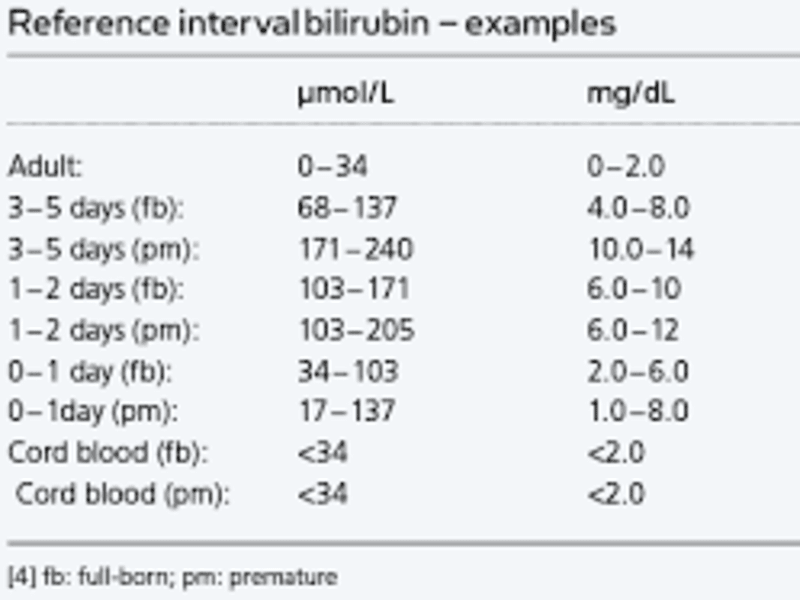
Bilirubin levels help assess liver health. This guide explains normal bilirubin values, types, causes of abnormal levels, symptoms, and when to seek medical advice.
April 11, 2026

Learn how to properly clean and care for your new ear piercing to ensure it heals beautifully and avoid infection. Follow our step-by-step guide for optimal results.
April 1, 2026