

Emergency & Help
24/7 Emergency & General Advisory
🚨 24/7 Medical Emergency
Non-Emergency Advisory
10:00 AM – 6:00 PM, Mon–Sat
For appointments & general queries.
24/7 Emergency & General Advisory
🚨 24/7 Medical Emergency
Non-Emergency Advisory
10:00 AM – 6:00 PM, Mon–Sat
For appointments & general queries.
Stay updated with our latest healthcare news and your appointments.
Learn why your new tattoo peels, what's normal, and when to seek medical advice. Understand the healing process for vibrant, healthy ink.

Getting a new tattoo is an exciting experience, but it can also be a bit nerve-wracking when you start to notice changes in your skin. One of the most common concerns for people with fresh ink is peeling. You might look at your new masterpiece and see what looks like the ink itself flaking off, and it's natural to wonder if this is a bad sign. Let's clear up any confusion: a certain amount of peeling is a completely normal part of the tattoo healing process. Your body is doing exactly what it's supposed to do to repair the skin after the tattooing process.
When you get a tattoo, the artist's needles create tiny wounds in your skin. These needles penetrate the epidermis (the outer layer) and the dermis (the middle layer) to deposit ink. Think of it as controlled injury designed to create lasting art. As your body recognises this as a wound, it immediately kicks into healing mode. The goal is to repair the damaged skin and, in doing so, seal the ink within the dermal layer so your tattoo remains vibrant.
The healing process for a tattoo typically takes anywhere from two to four weeks, sometimes longer depending on the size, location, and your individual healing ability. During this time, your skin goes through several stages. The initial stage involves redness, swelling, and tenderness, much like any other wound. As this subsides, the peeling phase begins. This is where your body sheds the dead skin cells that were affected during the tattooing process. New, healthy skin cells are then generated underneath, revealing the healed tattoo.
The peeling you observe is essentially your skin's natural exfoliation process in overdrive. After the trauma of the tattoo needles, your epidermis, especially the outermost layer (stratum corneum), contains damaged cells and ink particles that are no longer needed. Your body's natural response is to shed these dead and damaged cells. This shedding allows the underlying new skin cells, which are now carrying the ink in the dermis, to come to the surface. It's a sign that your skin is regenerating and healing as it should. You might also notice that your tattoo appears a little dull or cloudy during this peeling phase. This is due to the layer of dead skin cells sitting on top of the ink. Once the peeling is complete, the true colours and lines of your tattoo should become clearer and brighter.
Normal tattoo peeling usually starts around the end of the first week after you get your tattoo. It often follows the initial stage where the tattoo might be a bit red and slightly swollen. You might see thin flakes of skin coming off, similar to how your skin peels after a sunburn. These flakes can sometimes have a bit of ink residue on them, which can be alarming, but it's usually just a small amount of ink that was in the dead skin cells being shed. You might also notice small scabs forming and then peeling off, especially in the second week. This is also a typical part of the process. The key is that the peeling is generally uniform and doesn't involve excessive redness, pus, or severe pain.
A common scenario: Priya got a beautiful floral tattoo on her forearm last week. For the first few days, it was red and a little sore. Now, on day 7, she notices her skin is starting to flake. She sees tiny bits of what looks like coloured paper coming off, and her skin feels dry. She remembers her artist mentioning peeling and decides to continue with her gentle aftercare routine, keeping it moisturised but not soggy.
While peeling is normal, it's essential to distinguish it from signs of complications. If you notice any of the following, it's time to pay closer attention and potentially seek professional advice:
Several factors can contribute to a tattoo not healing properly:
Proper aftercare is paramount to ensure your tattoo heals well and the peeling process is as smooth as possible. Always follow the specific instructions provided by your tattoo artist, as they know their work and the products they use best. Generally, good aftercare involves:
It's always better to be safe than sorry when it comes to your health. You should consult a doctor or dermatologist if you experience any of the warning signs mentioned earlier, especially:
Your doctor can assess the situation, diagnose any issues like infection or allergic reactions, and prescribe appropriate treatment, which might include antibiotics or antihistamines.
A: No, your tattoo will not peel off completely. Only the dead skin cells on the surface layer of your skin will shed. The ink is embedded deeper in the dermis, which is where it will remain.
A: The peeling phase typically lasts for about a week, usually starting around day 5-7 and continuing for about 7 days. This is part of the overall 2-4 week healing process.
A: It's best to stick to moisturisers specifically recommended by your tattoo artist or gentle, fragrance-free lotions. Avoid products with heavy perfumes or dyes, as they can irritate the healing skin.
A: Seeing a small amount of ink in the peeling skin is normal. It means that some ink was present in the dead skin cells that your body is shedding. As long as it's not excessive and the tattoo doesn't look patchy or faded, it's usually nothing to worry about.
A: Yes, it is important to keep your peeling tattoo moisturised. Apply a thin layer of a recommended aftercare product or fragrance-free lotion after cleaning. This helps prevent the skin from drying out too much and cracking, which can lead to complications.
Visit Hospital
Near You
For years, long COVID had no proven treatment — only symptom management. That changed in July 2026, when UCL researchers published trial results showing a structured cognitive rehabilitation program produced lasting improvement in long COVID brain fog. This piece explains what the trial found, how i
July 23, 2026
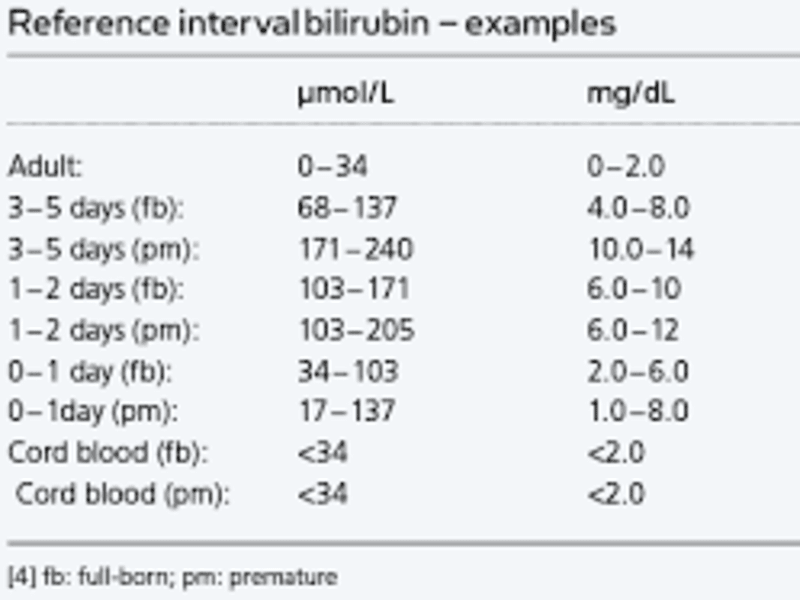
Bilirubin levels help assess liver health. This guide explains normal bilirubin values, types, causes of abnormal levels, symptoms, and when to seek medical advice.
April 11, 2026

Learn how to properly clean and care for your new ear piercing to ensure it heals beautifully and avoid infection. Follow our step-by-step guide for optimal results.
April 1, 2026