

Emergency & Help
24/7 Emergency & General Advisory
🚨 24/7 Medical Emergency
Non-Emergency Advisory
10:00 AM – 6:00 PM, Mon–Sat
For appointments & general queries.
24/7 Emergency & General Advisory
🚨 24/7 Medical Emergency
Non-Emergency Advisory
10:00 AM – 6:00 PM, Mon–Sat
For appointments & general queries.
Stay updated with our latest healthcare news and your appointments.
Accidentally burned your lip on hot food or the sun? Learn how to soothe the sting, treat blisters, and promote healing with our expert guide. Find out when to see a doctor.

We’ve all been there. That moment of pure joy biting into a delicious, piping hot samosa or taking a sip of steaming chai, only to be met with a sudden, sharp sting. You’ve burned your lip! While it might seem like a minor inconvenience, a burn on the delicate skin of your lips can be quite painful and, if not treated properly, can lead to complications. This guide will walk you through understanding lip burns, how to treat them effectively at home, and when it’s time to seek professional medical help. We’ll cover everything from immediate relief to long-term healing, ensuring your smile is back to its best in no time.
Lip burns are more common than you might think. The skin on our lips is incredibly thin and sensitive, making it particularly vulnerable to heat and other irritants. Here are the most frequent culprits:
Just like burns on other parts of the body, lip burns are classified by their degree of severity. Knowing the type of burn helps determine the best course of action:
These are the most common type of lip burn. They affect only the outermost layer of skin (epidermis). Symptoms include:
These usually heal within a week with proper home care and leave no scarring.
These burns penetrate deeper, affecting the epidermis and part of the dermis (the layer beneath). They are more serious and may present with:
Blisters are the body’s way of protecting the underlying tissue. It's crucial not to pop or pick at blisters, as this significantly increases the risk of infection and scarring. Healing can take two to three weeks, and there's a higher chance of scarring.
These are the most severe and damage all layers of the skin, potentially reaching underlying fat tissues. The burned area might appear:
Third-degree burns on the lips are rare but require immediate medical attention. They often involve significant swelling and can lead to severe scarring and long-term functional issues.
If you've just burned your lip, acting quickly can make a big difference. Here’s what to do for mild, first-degree burns:
Real-life scenario: Priya was enjoying a bowl of hot khichdi when she accidentally took too big a bite. A sudden sting on her upper lip made her wince. She immediately reached for a glass of cool water to rinse her mouth and then gently dabbed her lip with a clean, damp cloth while she prepared some fresh aloe vera gel from a plant in her balcony garden.
If your burn has resulted in a blister, remember these important points:
While most minor lip burns heal on their own, it's important to know when to consult a doctor. Seek professional medical advice if:
A doctor can accurately assess the burn's severity, prescribe appropriate treatments (like stronger topical or oral antibiotics, specialized dressings), and manage complications.
Once the initial pain subsides, focus on promoting healthy healing and preventing recurrence:
Mild, first-degree lip burns typically heal within 5-7 days. Second-degree burns with blisters may take 2-3 weeks to heal and could leave minor scarring. Third-degree burns require immediate medical attention and healing time varies greatly.
No. Toothpaste is not recommended for burns. It contains ingredients that can irritate the sensitive skin, potentially worsening the burn and increasing the risk of infection.
For mild burns, the best home remedies involve cooling the area with a cool compress, gentle cleaning, and applying soothing moisturizers like pure aloe vera gel or plain petroleum jelly. Staying hydrated and avoiding irritants are also key.
No. While a common folk remedy, butter or other greasy substances are not recommended for burns. They can trap heat, increase the risk of infection, and do not promote healing. Stick to recommended treatments like cool water and aloe vera.
If a blister pops on its own, gently clean the area with mild soap and water or a saline solution. Pat it dry carefully and apply a thin layer of antibiotic ointment (if recommended by a doctor or pharmacist) to prevent infection. Keep the area clean and monitor for signs of infection. You can cover it loosely with a sterile bandage if needed.
Visit Hospital
Near You
For years, long COVID had no proven treatment — only symptom management. That changed in July 2026, when UCL researchers published trial results showing a structured cognitive rehabilitation program produced lasting improvement in long COVID brain fog. This piece explains what the trial found, how i
July 23, 2026
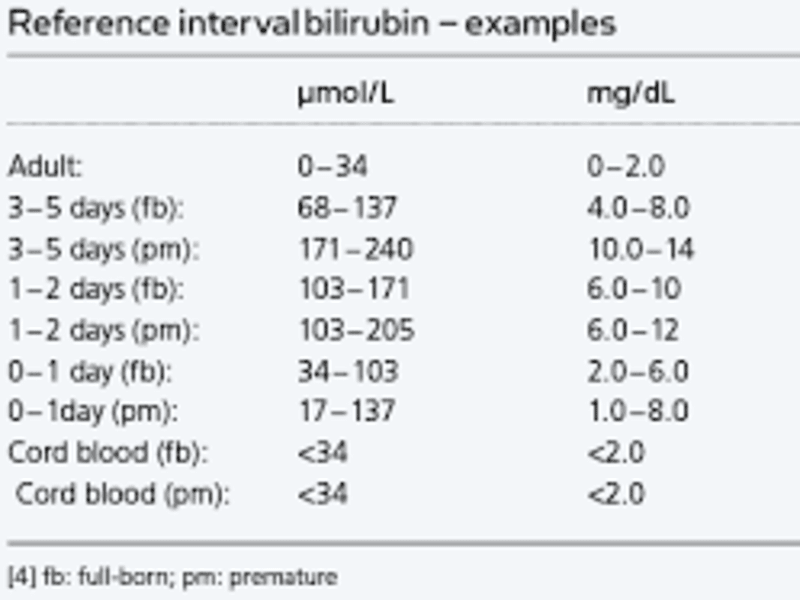
Bilirubin levels help assess liver health. This guide explains normal bilirubin values, types, causes of abnormal levels, symptoms, and when to seek medical advice.
April 11, 2026

Learn how to properly clean and care for your new ear piercing to ensure it heals beautifully and avoid infection. Follow our step-by-step guide for optimal results.
April 1, 2026