

Emergency & Help
24/7 Emergency & General Advisory
🚨 24/7 Medical Emergency
Non-Emergency Advisory
10:00 AM – 6:00 PM, Mon–Sat
For appointments & general queries.
24/7 Emergency & General Advisory
🚨 24/7 Medical Emergency
Non-Emergency Advisory
10:00 AM – 6:00 PM, Mon–Sat
For appointments & general queries.
Stay updated with our latest healthcare news and your appointments.
Discover the essential steps to effectively clean your makeup brushes. Learn why hygiene matters and how regular cleaning prevents breakouts and keeps your tools performing their best.
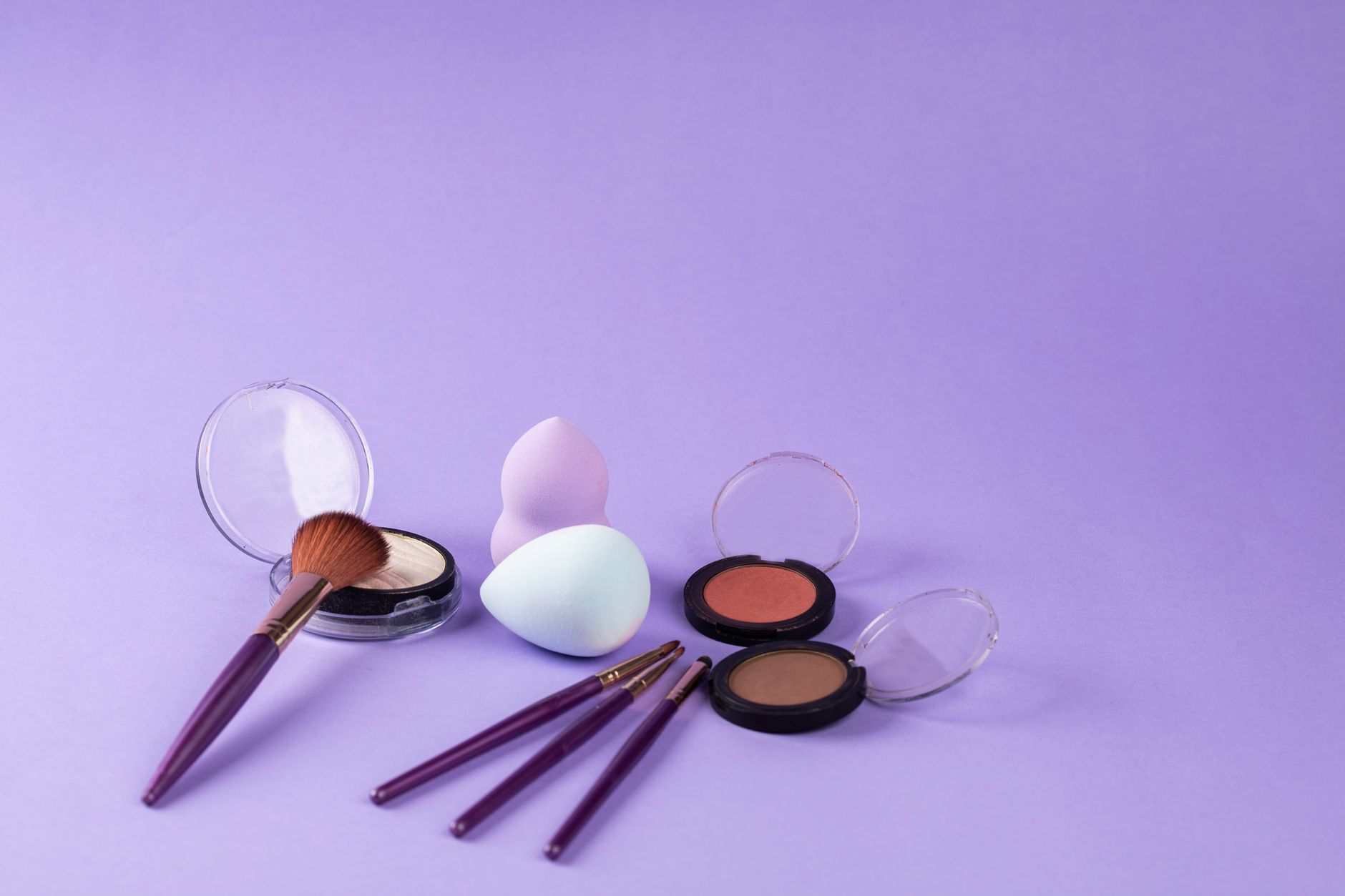
Our makeup brushes are like trusted companions in our daily beauty ritual. They help us achieve that flawless base, a pop of colour on our cheeks, and that perfectly blended eyeshadow. But have you ever paused to consider what’s really lurking in those soft bristles? Unwashed makeup brushes can become a breeding ground for dust, dirt, oil, and even bacteria. When you use these grimy tools on your face, you’re essentially transferring all that gunk straight into your pores. This can lead to unwelcome breakouts, irritation, and a dull complexion. It’s like inviting a party of microscopic troublemakers to your skin! For those of us in India, where the climate can sometimes contribute to skin concerns like acne and sensitivity, keeping our tools clean is even more important. Let’s transform our makeup brush cleaning from a chore into a simple, effective routine. Why Cleaning Your Makeup Brushes is Non-Negotiable Think about it. Every time you dip your brush into your foundation, concealer, or powder, you’re picking up not just makeup, but also oils from your skin, environmental dust, and whatever else your brushes might encounter in your makeup bag or on your vanity. Over time, this buildup can become quite significant. Ashleigh Scriven, a seasoned makeup artist and dermatology expert, highlights this point: “Over time your makeup brushes will not only collect old makeup in them, but they will also collect dust, dirt, and multiple other substances from your desk, makeup bag, or even your floor.” This mixture creates a perfect environment for bacteria to thrive. When you then apply this to your face, you’re not just applying makeup; you’re applying a cocktail of germs. This can clog your pores, leading to those annoying pimples and blackheads. For sensitive skin, this can cause redness, itching, and discomfort. Regular cleaning ensures that your brushes remain hygienic and perform at their best, helping you achieve the look you desire without compromising your skin’s health. The Hidden Dangers of Dirty Brushes Breakouts: Bacteria and trapped oil can clog pores, leading to acne. Skin Irritation: Old makeup and debris can cause redness, itching, and inflammation. Reduced Performance: Product doesn't apply as smoothly or evenly with dirty brushes. Hygiene Concerns: Unclean tools can potentially spread infections. Your Simple Guide to Cleaning Makeup Brushes Cleaning your makeup brushes doesn't have to be complicated. With a few basic supplies and a little bit of time, you can keep your tools in pristine condition. We’ll walk you through the most effective method, ensuring your brushes are not just clean, but also well-cared for. Step 1: Gather Your Supplies Before you begin, make sure you have everything you need: Gentle Cleanser: Baby shampoo or a mild facial cleanser works best. Avoid harsh soaps. Conditioner (for real hair brushes): A little bit goes a long way. Warm Water: Not too hot, as this can damage the bristles. Brush Cleaning Pad or Textured Surface: This helps dislodge stubborn debris. You can buy one or even make a DIY version. Clean Towels or Paper Towels: For drying. Brush Drying Rack (optional but recommended): Helps brushes dry properly without damaging bristles. Step 2: Wash with Gentle Cleanser Start by wetting the bristles of your makeup brush with warm water. Then, dispense a pea-sized amount of your chosen gentle cleanser (baby shampoo is a favourite for many experts) onto your fingertips. Gently massage the cleanser into the bristles, working it up into a lather. Be thorough but gentle; you want to lift the makeup and dirt without damaging the brush hairs. If you’re using a brush cleaning pad, this is where you can rub the bristles against the textured surface to help loosen any embedded dirt. Scriven notes, “Rubbing your brushes on the textured areas will help remove dirt inside the brushes.” Step 3: Use a Brush Cleaning Pad A brush cleaning pad is a game-changer. These pads, often with various textured ridges, are designed to help you effectively scrub away trapped makeup and grime. Gently swirl your brush over the pad, focusing on working the cleanser deep into the bristles. This mechanical action helps to break down the buildup more effectively than just using your fingers alone. If you don't have a cleaning pad, you can improvise by using a textured silicone mat or even creating your own textured surface using a hot glue gun on a piece of plastic – just ensure the shapes and patterns are safe for your brush bristles. Step 4: Condition (for Real Hair Brushes) This step is specifically for brushes made with natural, real hair bristles. After rinsing out the cleanser, apply a tiny amount of your regular hair conditioner to the bristles. Gently massage it in and let it sit for about a minute. This helps to keep the natural bristles soft, supple, and prevents them from becoming dry or brittle. “Condition your real-hair brushes with a conditioner of your choice for 1 minute. Doing this ensures the bristles say soft and delicate,” advises Scriven. Rinse the conditioner out thoroughly with warm water. Step 5: Rinse Thoroughly This is a critical step. Rinse the brush bristles under warm running water, making sure all traces of cleanser (and conditioner, if used) are completely washed away. Hold the brush with the bristles pointing downwards to allow the water to flow away from the ferrule (the metal part that holds the bristles). Continue rinsing until the water runs clear. If you see any suds or cloudy water, keep rinsing. As Amish Patel, an aesthetics practitioner, advises, “Ensure you rinse the bristles out thoroughly before wiping them on a clean, dry towel.” Step 6: Dry Your Brushes Properly How you dry your brushes is as important as how you clean them. Gently squeeze out excess water from the bristles with your fingers. Then, pat them dry with a clean, lint-free towel. Avoid rubbing, as this can disrupt the bristle shape. The best way to dry them is to lay them flat on a clean towel or use a brush drying rack that allows them to hang upside down. This prevents water from seeping into the ferrule, which can loosen the glue and damage the brush over time. Never stand brushes upright in a cup to dry, as this forces water down into the ferrule. Step 7: Repeat for All Brushes Don’t forget the brushes you haven’t used recently! Scriven reminds us, “When collecting your brushes, make sure to include the ones that haven’t been used. They can still collect dirt from your makeup bag and other surfaces.” Apply this cleaning process to all your makeup brushes, whether they are for powder, foundation, eyeshadow, or concealer. How Often Should You Clean Your Brushes? The frequency of cleaning depends on how often you use your brushes and what you use them for. For makeup brushes used daily, especially those for liquid or cream products like foundation, aim to clean them at least once a week. Brushes used for powder products can be cleaned every two to three weeks. However, if you notice any caking of product, a change in texture, or if your skin starts acting up, it’s time for an immediate clean. Scriven recommends replacing brushes entirely every 3 months if they are used very frequently, but regular cleaning extends their life significantly. DIY Brush Cleaner Option If you’re in a pinch or prefer to make your own cleaner, you can mix equal parts baby shampoo and water in a small bowl. This creates a gentle yet effective cleaning solution. When to Consider Replacing Your Brushes Even with diligent cleaning, makeup brushes don’t last forever. If you notice that the bristles are fraying, shedding excessively, or the shape is permanently distorted, it might be time to invest in new ones. Scriven suggests replacing them approximately every 3 months for optimal hygiene and performance, especially for frequently used brushes. FAQs About Makeup Brush Cleaning Q1: Can I use hand soap to clean my makeup brushes? A: It’s best to avoid hand soap or dish soap. These can be too harsh, stripping natural oils from real hair bristles and potentially drying out synthetic ones, leading to damage and reduced performance. A gentle facial cleanser or baby shampoo is a much safer choice. Q2: What’s the best way to clean my beauty blender or makeup sponge? A: Sponges can be cleaned similarly with gentle soap and water. Squeeze and rinse until the water runs clear. Ensure they are thoroughly dried before the next use, as damp sponges can harbour bacteria. Q3: My brushes still look dirty after washing. What should I do? A: You might need to repeat the washing process. Ensure you are using enough cleanser and that your brush cleaning pad is effective. For stubborn residue, a second wash may be necessary. Also, ensure you are rinsing thoroughly. Q4: Can I use a hairdryer to dry my brushes? A: No, never use a hairdryer. The heat can melt synthetic bristles and damage natural ones, altering their shape and texture. Always air dry
In summary, timely diagnosis, evidence-based treatment, and prevention-focused care improve long-term health outcomes.
Visit Hospital
Near You

For years, long COVID had no proven treatment — only symptom management. That changed in July 2026, when UCL researchers published trial results showing a structured cognitive rehabilitation program produced lasting improvement in long COVID brain fog. This piece explains what the trial found, how i
July 23, 2026

Bilirubin levels help assess liver health. This guide explains normal bilirubin values, types, causes of abnormal levels, symptoms, and when to seek medical advice.
April 11, 2026

Learn how to properly clean and care for your new ear piercing to ensure it heals beautifully and avoid infection. Follow our step-by-step guide for optimal results.
April 1, 2026