

Emergency & Help
24/7 Emergency & General Advisory
🚨 24/7 Medical Emergency
Non-Emergency Advisory
10:00 AM – 6:00 PM, Mon–Sat
For appointments & general queries.
24/7 Emergency & General Advisory
🚨 24/7 Medical Emergency
Non-Emergency Advisory
10:00 AM – 6:00 PM, Mon–Sat
For appointments & general queries.
Stay updated with our latest healthcare news and your appointments.
Unlock the secrets to effective communication tailored for the Indian context. Learn practical tips to enhance your conversations, build stronger relationships, and navigate diverse social settings with confidence.

In our bustling nation, where diverse languages, cultures, and perspectives intertwine, the ability to communicate effectively is not just a skill – it's a superpower. Whether you're navigating family gatherings, professional meetings, or simply making new friends, clear and empathetic communication can transform your relationships and open doors to new opportunities. But what exactly makes a communicator 'effective', especially in the unique context of India? Let's explore how you can hone this vital skill.
India is a land of vibrant conversations, from lively discussions at the chai stall to serious deliberations in boardrooms. Yet, misunderstandings can arise easily due to linguistic nuances, cultural differences, and varying communication styles. Being an effective communicator helps you:
Communication involves both sending and receiving information. It's a two-way street that requires conscious effort and practice. Here are the core components:
Your words carry weight, but they need to be delivered in a way that the listener can easily understand. Avoid jargon or overly complex sentences, especially when speaking to a diverse audience.
True communication goes beyond just words; it involves understanding and sharing emotions. Being in touch with your own feelings allows you to connect with others more authentically.
Effective communication isn't just about speaking; it's equally about listening. Active listening means giving your full attention to the speaker, understanding their message, and responding thoughtfully.
How you say something often matters as much as what you say. Your body language, tone of voice, and facial expressions convey a wealth of information.
Consider who you are speaking to. Your communication style might differ when talking to a close friend versus a senior colleague or a child.
It's natural for people to have differing opinions. Effective communicators don't avoid disagreements; they handle them respectfully.
Imagine you are at a family function, and a distant relative keeps asking about your marriage plans, making you uncomfortable. Instead of shutting down, you could say, "Aunty, I appreciate your concern, but right now, I'm focused on my career. Perhaps we could talk about something else?" This asserts your boundary politely.
Or consider a work meeting where a junior colleague hesitates to voice their idea. You could turn to them and say, "Ravi, you've been quiet. Do you have any thoughts on this? We'd value your input." This actively encourages participation.
While these tips can significantly improve your communication skills, persistent difficulties in expressing yourself or understanding others might indicate underlying issues. If communication challenges are severely impacting your relationships, work, or mental well-being, consider seeking help from a professional.
Focus on building your vocabulary relevant to your industry. Practice speaking regularly, perhaps with a language partner or by recording yourself. Pay attention to common professional phrases and etiquette. Don't be afraid to ask for clarification if you don't understand a term.
While respect for elders is deeply ingrained, expressing a differing opinion respectfully is generally acceptable. Frame your disagreement politely, starting with acknowledging their point of view. For instance, "I respect your opinion, Dadaji, but I see it slightly differently because..."
Stay calm and focus on the issue. Use "I" statements (e.g., "I feel misunderstood when...") instead of blaming "you" statements. Listen actively to the other person's perspective, and suggest taking a break if emotions run high.
Utilize translation apps or services if available. Use simple, clear language and gestures. If possible, find a mutual acquaintance who can help translate. Patience and a willingness to understand are key.
Very important! Acknowledging good work and offering sincere praise can significantly boost morale and strengthen team dynamics. Be specific about what you appreciate.
Visit Hospital
Near You
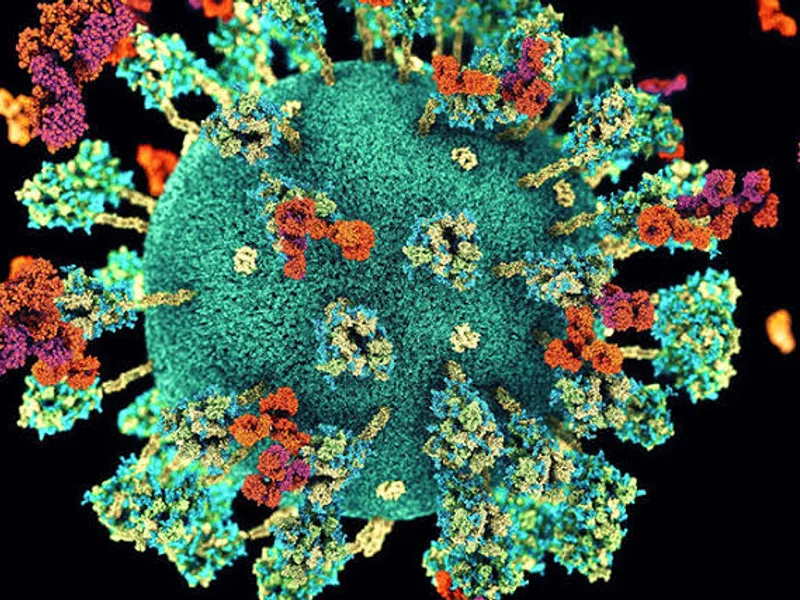
For years, long COVID had no proven treatment — only symptom management. That changed in July 2026, when UCL researchers published trial results showing a structured cognitive rehabilitation program produced lasting improvement in long COVID brain fog. This piece explains what the trial found, how i
July 23, 2026
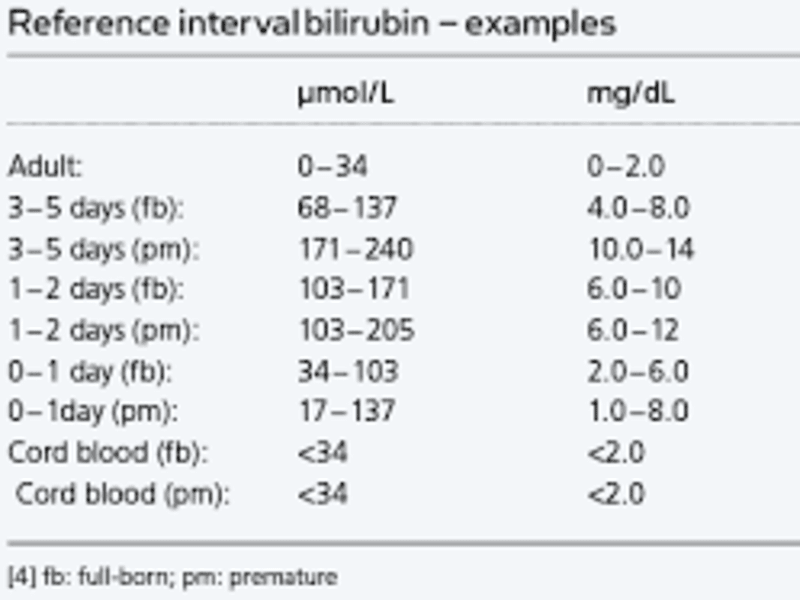
Bilirubin levels help assess liver health. This guide explains normal bilirubin values, types, causes of abnormal levels, symptoms, and when to seek medical advice.
April 11, 2026

Learn how to properly clean and care for your new ear piercing to ensure it heals beautifully and avoid infection. Follow our step-by-step guide for optimal results.
April 1, 2026