

Emergency & Help
24/7 Emergency & General Advisory
🚨 24/7 Medical Emergency
Non-Emergency Advisory
10:00 AM – 6:00 PM, Mon–Sat
For appointments & general queries.
24/7 Emergency & General Advisory
🚨 24/7 Medical Emergency
Non-Emergency Advisory
10:00 AM – 6:00 PM, Mon–Sat
For appointments & general queries.
Stay updated with our latest healthcare news and your appointments.
Discover essential parenting skills for Indian parents to raise happy, healthy, and resilient children. Learn practical tips, understand key competencies, and navigate the joys and challenges of raising a family.
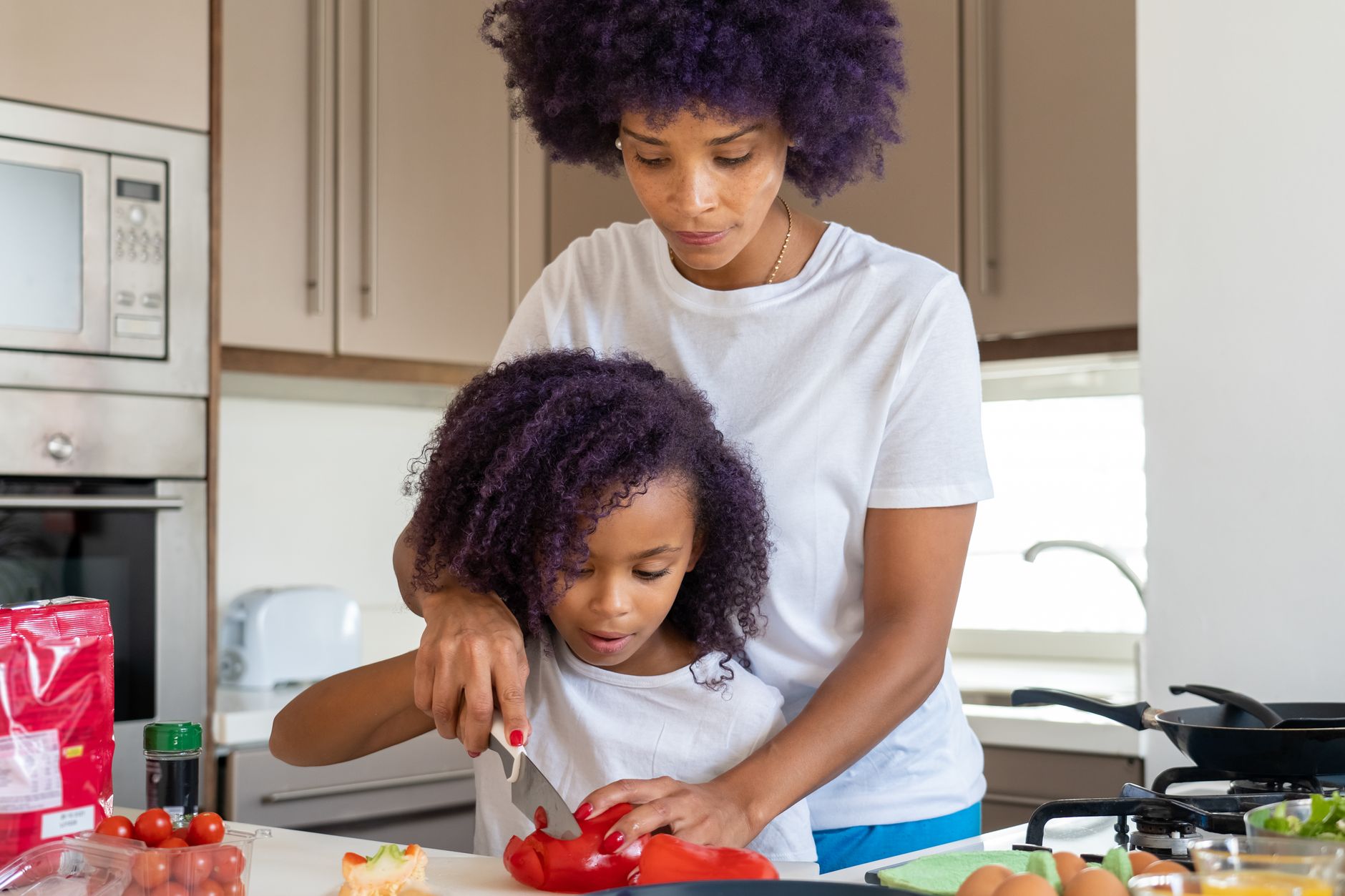
Parenting is a journey, not a destination. While no one is born a perfect parent, equipping yourself with essential parenting skills can make this journey smoother and more fulfilling for both you and your child. In India, with its unique cultural nuances and family structures, certain skills become even more vital. This guide aims to provide practical, actionable advice for Indian parents seeking to nurture well-adjusted, happy, and resilient children.
It's easy to feel overwhelmed by the responsibilities of raising a child. You might wonder if you're doing enough or if there's a secret formula to success. The good news is that research points to several core competencies that significantly contribute to positive parenting outcomes. These aren't about being perfect, but about being present, responsive, and intentional in your interactions with your child.
Think about it: a child who feels loved and understood is more likely to thrive. Similarly, a child who learns to manage their emotions and navigate challenges with support will build resilience. These skills don't just happen; they are cultivated through consistent effort and a willingness to learn and adapt.
Experts have identified key parenting skills that form the bedrock of good parenting. Let's explore these, keeping in mind how they apply to the Indian context:
Let's consider a common situation. A young boy, Rohan, is consistently getting low marks in his school exams, and his parents are worried. Instead of getting angry, his parents decide to use their parenting skills. They sit down with Rohan, express their concern without blame, and ask him about his difficulties. They discover he struggles with understanding math concepts and feels overwhelmed by homework. Together, they decide to get him extra help from a tutor and set aside dedicated, distraction-free time for homework. They also ensure they praise his effort and small improvements, not just the final marks.
Another example: Priya, a teenager, wants to go on a school trip but her parents are hesitant due to safety concerns. Instead of a flat 'no', they discuss her plans, who she'll be with, and the school's supervision. They establish clear communication rules (like checking in at specific times) and agree on a budget. This approach empowers Priya while ensuring her safety, building trust and responsibility.
It's natural to wonder where you stand. You can think of these ten skills as a framework for self-assessment. Ask yourself:
Remember, your child is a unique individual with their own personality and needs. What works for one child may not work for another. Be observant, be adaptable, and be kind to yourself.
Improving parenting skills is an ongoing process. Here are some actionable steps:
While self-improvement is valuable, sometimes professional help is needed. If you're consistently struggling with your child's behaviour, experiencing significant stress, or feel unable to connect with your child, don't hesitate to seek support. A pediatrician, a child psychologist, or a family counselor can provide tailored guidance and strategies.
If your child shows persistent signs of distress, anxiety, or behavioural issues that worry you, consulting a child specialist is a wise step. Early intervention can make a significant difference.
Absolutely! Parenting is a complex role, and feeling unsure at times is completely normal. The desire to learn and improve is a sign of a committed parent.
This is a common challenge. Focus on the core values that resonate with you and your family. Adapt modern techniques to fit your cultural context, emphasizing respect, family bonds, and community, while incorporating open communication and individual growth.
Encourage small steps. Praise their efforts, no matter how minor. Provide opportunities for them to interact in low-pressure environments. Let them make age-appropriate choices and celebrate their successes. Most importantly, be patient and supportive.
Playtime is incredibly important! It's how children learn about the world, develop social skills, problem-solve, and express themselves. Ensure your child has ample time for unstructured play, both indoors and outdoors.
It's best to avoid direct comparisons. Every child develops at their own pace and has unique strengths. Focus on your child's individual progress and celebrate their unique talents and journey.
Visit Hospital
Near You

For years, long COVID had no proven treatment — only symptom management. That changed in July 2026, when UCL researchers published trial results showing a structured cognitive rehabilitation program produced lasting improvement in long COVID brain fog. This piece explains what the trial found, how i
July 23, 2026

Bilirubin levels help assess liver health. This guide explains normal bilirubin values, types, causes of abnormal levels, symptoms, and when to seek medical advice.
April 11, 2026

Learn how to properly clean and care for your new ear piercing to ensure it heals beautifully and avoid infection. Follow our step-by-step guide for optimal results.
April 1, 2026