

Emergency & Help
24/7 Emergency & General Advisory
🚨 24/7 Medical Emergency
Non-Emergency Advisory
10:00 AM – 6:00 PM, Mon–Sat
For appointments & general queries.
24/7 Emergency & General Advisory
🚨 24/7 Medical Emergency
Non-Emergency Advisory
10:00 AM – 6:00 PM, Mon–Sat
For appointments & general queries.
Stay updated with our latest healthcare news and your appointments.
Learn about different pencil grips, why they matter for handwriting and hand health, and tips for comfort and efficiency. Discover when to seek professional advice.

In today's digital age, the humble pencil might seem like a relic. We text, type, and tap our way through most tasks. Yet, knowing how to hold a pencil correctly remains surprisingly relevant. Whether you're a student learning to write, an artist sketching your next masterpiece, or someone experiencing hand discomfort, understanding the nuances of pencil grips can significantly improve your writing legibility, speed, and most importantly, the long-term health of your hand.
Your hand is an intricate marvel of engineering. It contains 34 muscles and 27 bones, all supported by a complex network of nerves, tendons, and ligaments. Every time you perform a simple action, like holding a pen, your hand orchestrates a symphony of movement. A proper pencil grip ensures this complex system works efficiently and without strain. It allows for stable yet flexible control, enabling fluid and precise movements while using your fingers and thumb as pincers, steadied by the outer part of your hand.
For children, developing an appropriate grip is a cornerstone of learning to write. It impacts their ability to form letters clearly and can prevent the development of poor habits that might lead to hand fatigue or pain later on. For adults, refining a grip can enhance comfort during extended writing sessions, whether you're filling out forms, journaling, or working on detailed drawings.
While there isn't one single 'perfect' grip for everyone, most people naturally adopt one of four common patterns. Occupational therapists often focus on these mature grips:
This is the grip many educators advocate for. It involves:
This grip offers excellent control and flexibility, enabling precise letter formation.
Similar to the dynamic tripod, this grip also uses three fingers. However, the differences are notable:
In this grip, the thumb plays less of a role in manipulating the pencil for letter formation, with the muscles in the wrist and forearm taking on more of the work.
This grip utilizes four fingers for holding the writing tool:
This pattern can also provide good control, with the thumb assisting in directing the pencil's movement.
This grip also involves four fingers but with a distinct arrangement:
Like the lateral tripod, this grip relies more heavily on forearm and wrist muscles for writing movements.
It's common for very young children (ages 3-5) to initially grasp pencils and crayons with their entire fist, resting the tool in the center of their palm. This 'fisted' grip is a natural stage of development as they explore writing tools.
You might assume that the widely taught dynamic tripod grip is the undisputed champion of neat and fast handwriting. However, research suggests a more nuanced picture. Studies conducted in 2012 and 2001 involving elementary school students found that writing speed and legibility were remarkably similar across different mature grip styles, including the lateral quadrupod. Researchers even recommended that occupational therapists reconsider strictly enforcing a single grip pattern, suggesting that flexibility in grip choice might be acceptable as long as it doesn't cause discomfort or hinder writing quality.
A 2013 study measured grip force (pressure on the pencil barrel) and axial force (downward pressure on the writing surface). The findings indicated that the type of grip didn't significantly impact legibility or speed, even during longer writing tasks.
Regardless of the specific grip you use, several adjustments can enhance your writing experience and protect your hand:
While most people can adapt their grip with simple adjustments, certain situations warrant consulting a healthcare professional:
An occupational therapist, in particular, can assess your grip, identify any underlying issues, and provide personalized strategies and exercises to improve your writing comfort and efficiency.
Consider Priya, a busy architect who spends hours sketching designs. Recently, she noticed her right hand aching after work, and her handwriting seemed messier than usual. She realized she'd been unconsciously gripping her pencil very tightly to focus on intricate details, leading to fatigue and discomfort. By consciously relaxing her grip and adjusting her hold slightly higher on the pencil barrel, she found significant relief and improved control over her drawing.
A: Not necessarily. Research suggests that other mature grips can be just as effective for speed and legibility. The key is comfort, control, and avoiding pain. If your current grip works well for you and doesn't cause discomfort, there might not be a need to change it.
A: For very young children (preschool age), a fisted grip is normal. As they grow and develop fine motor skills, they will naturally progress towards more refined grips. If a child of school age continues to struggle with a fisted grip and has difficulty with writing, it's worth discussing with their teacher or a pediatrician.
A: Try these tips: relax your grip (don't squeeze too hard), hold the pencil slightly higher up the barrel, ensure good posture, take frequent short breaks, and gently stretch your hands and wrists. Using thicker pencils or ergonomic grips might also help.
A: Signs include persistent pain, cramping, numbness, or tingling in your hand or wrist during or after writing. If your handwriting quality declines noticeably due to discomfort, it's also an indicator. If you notice these, consult a doctor or therapist.
Visit Hospital
Near You

For years, long COVID had no proven treatment — only symptom management. That changed in July 2026, when UCL researchers published trial results showing a structured cognitive rehabilitation program produced lasting improvement in long COVID brain fog. This piece explains what the trial found, how i
July 23, 2026
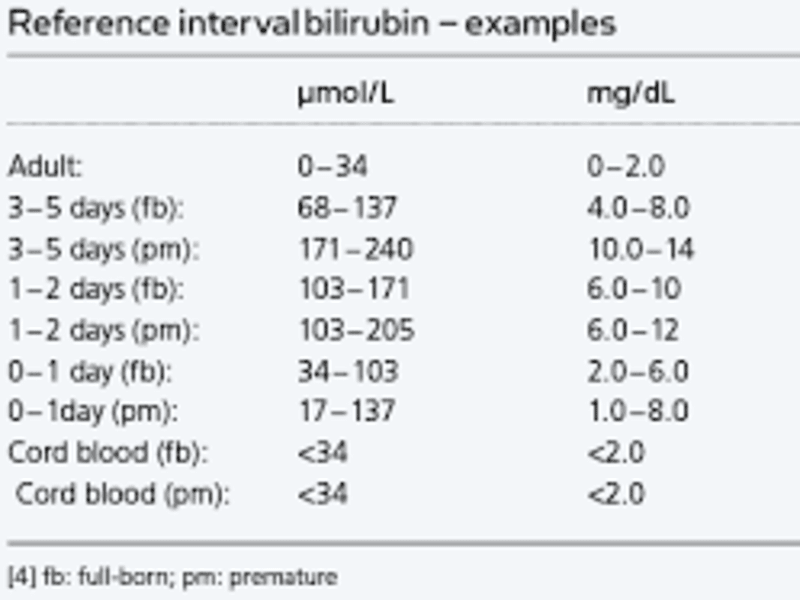
Bilirubin levels help assess liver health. This guide explains normal bilirubin values, types, causes of abnormal levels, symptoms, and when to seek medical advice.
April 11, 2026

Learn how to properly clean and care for your new ear piercing to ensure it heals beautifully and avoid infection. Follow our step-by-step guide for optimal results.
April 1, 2026