

Emergency & Help
24/7 Emergency & General Advisory
🚨 24/7 Medical Emergency
Non-Emergency Advisory
10:00 AM – 6:00 PM, Mon–Sat
For appointments & general queries.
24/7 Emergency & General Advisory
🚨 24/7 Medical Emergency
Non-Emergency Advisory
10:00 AM – 6:00 PM, Mon–Sat
For appointments & general queries.
Stay updated with our latest healthcare news and your appointments.
Discover if microwaving sponges is a safe and effective way to kill germs. Learn the risks, proper methods, and better alternatives for a hygienic kitchen.
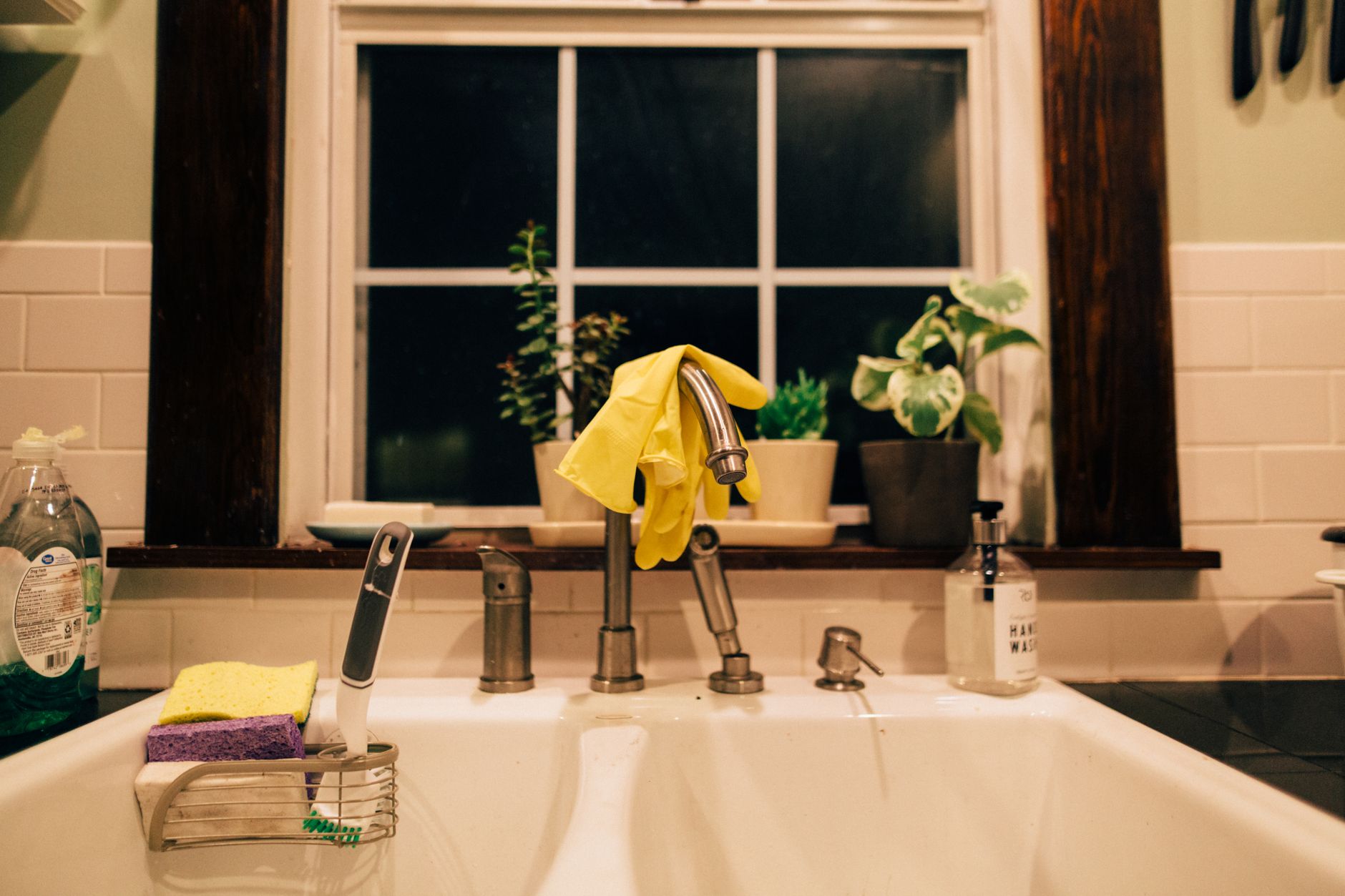
Sponges. We use them every day, often without a second thought. They scrub our dishes, wipe our counters, and generally keep our kitchens spick and span. But have you ever stopped to consider just how *clean* your sponge actually is? For an item dedicated to cleaning, sponges can become surprisingly grimy, harbouring billions of bacterial cells in every square centimetre. Think about it: they’re constantly damp, porous, and often come into contact with leftover food particles. This creates a perfect breeding ground for some unwelcome guests like E. coli and Salmonella. It’s a stark reality that might make you rethink your dishwashing routine! With the rising awareness about hygiene, especially in our kitchens, many of us look for ways to ensure our cleaning tools are as sanitary as possible. One popular hack that has been making rounds is microwaving a sponge. The idea is simple: blast it with heat, kill the germs, and voila – a clean sponge! But does this kitchen trick actually work? Or is it just another internet myth? Let’s dive deep into the science behind it, explore the risks, and discuss effective alternatives to keep your kitchen sparkling and germ-free, the safe way. Why Would Anyone Microwave a Sponge? Before we get to the 'if,' let’s explore the 'why.' Why would someone even consider putting a sponge in the microwave? Several reasons make this hack appealing: Killing Bacteria: This is the big one. We know sponges can be germ factories. The theory is that the intense heat from the microwave can effectively weaken or kill common household bacteria like E. coli, Salmonella, and Staphylococcus, thereby reducing the germ load on your sponge. Eliminating Odors: Ever noticed a persistent, musty smell clinging to your sponge, or even transferring to your hands after use? Some believe that the heat from microwaving can help break down odor-causing compounds and leave the sponge smelling fresher. Saving Money: Sponges are designed to be reusable, but their lifespan can be limited by how quickly they become unhygienic. Instead of constantly buying new ones, some people try to extend the life of their current sponge by disinfecting it, hoping to save a few rupees in the long run. The Science: Can Microwaving Actually Kill Germs on a Sponge? So, does the science back up this cleaning hack? The short answer is: yes, to a degree, but with important caveats. Microwaves work by emitting radio-frequency waves. These waves cause water molecules within the sponge (and any bacteria residing there) to vibrate rapidly. This friction generates heat – a lot of heat! This thermal effect is what kills the bacteria. Think of it like rapidly heating water to boiling point; the intense heat is lethal to most microorganisms. What Does the Research Say? Several studies have looked into this. A notable study from 2007, conducted by the Agricultural Research Service (part of the U.S. Department of Agriculture), found that microwaving a sponge managed to kill 99.9 percent of germs. Impressively, this was found to be slightly *more* effective than throwing a sponge in the dishwasher! More recently, a 2020 study published in the International Journal of Food Microbiology investigated the effectiveness of microwaving. In this study, participants used kitchen sponges normally for four weeks. Ten of these participants were instructed to clean their sponges by microwaving them for at least one minute, two to three times a week, at the highest wattage. The results were quite telling: the sponges that were microwaved regularly showed significantly fewer bacteria compared to the untreated ones. This lends strong support to the idea that microwaving can indeed be a powerful tool for reducing bacterial load on your kitchen sponges. The Risks and What You MUST Know Before You Microwave While the germ-killing potential is there, microwaving a sponge is not without its risks. It's crucial to understand these before you try this at home: Fire Hazard: This is the most significant danger. Never, ever microwave a dry sponge. Sponges, especially synthetic ones, can contain flammable materials. If a sponge is dry when microwaved, it can overheat, ignite, and potentially start a fire in your microwave. Always ensure the sponge is thoroughly wet before placing it inside. Incomplete Sterilization: While microwaving kills a large percentage of bacteria, it might not eliminate *all* of them. The effectiveness can depend heavily on your microwave's wattage and the duration you run it. Some microwaves might not reach high enough temperatures or run for long enough to completely eradicate every single germ. Melting or Damage: Some sponges contain metallic scrubbing layers or are made of materials that could melt or be damaged by intense microwave heat. Always check the sponge for any metal components before microwaving. Chemical Leaching: If you use cleaning solutions containing bleach, residues might remain in the sponge. Microwaving these could potentially lead to harmful chemical reactions or fumes. How to Safely Microwave a Sponge (If You Choose To) If, after understanding the risks, you still decide to go ahead with microwaving your sponge, follow these steps carefully: Ensure it's Wet: Thoroughly wet the sponge with plain water. Squeeze out any excess so it’s damp, not dripping. Check for Metal: Make sure there are no metallic scrubbing pads or metallic threads embedded in the sponge. Microwave Time: Place the wet sponge in the microwave. Heat it on high for at least 1 to 2 minutes. The exact time may vary depending on your microwave's power. Cool Down: Crucially, let the sponge cool down completely inside the microwave for several minutes before attempting to remove it. It will be extremely hot and could cause severe burns. Regular Replacement: Even with microwaving, sponges don't last forever. They accumulate dirt and wear out. It's generally recommended to replace your kitchen sponge every two weeks, regardless of cleaning methods. Beyond Microwaving: Safer and More Effective Ways to Clean Your Sponges Microwaving is one method, but are there other ways to tackle sponge hygiene? Dishwasher Method: Yes, your dishwasher can be a powerful ally! Running your sponge through a hot cycle in the dishwasher can significantly reduce bacterial counts. Ensure you use a heated dry setting for maximum effectiveness. Bleach Soak: For a thorough disinfection, a bleach solution is highly effective. The Centers for Disease Control and Prevention (CDC) recommends mixing 1 cup (about 240 ml) of bleach with 1 gallon (about 3.8 litres) of water. Submerge the sponge in this solution for about 5 minutes. Rinse it thoroughly afterwards. Remember to handle bleach with care and ensure good ventilation. Boiling Water: Boiling a sponge in water for several minutes can also kill many types of bacteria. Be cautious when handling the hot water and sponge. When to Ditch the Sponge Altogether: Better Alternatives Sometimes, the best way to ensure hygiene is to move away from sponges entirely. They are, after all, porous little bacteria magnets. Consider these alternatives: Silicone Scrubbers: These are non-porous, easy to rinse, and dry much faster than sponges, making them less hospitable to bacteria. They are also very durable and can often be put in the dishwasher or boiled for sterilization. Microfiber Cloths: High-quality microfiber cloths are excellent for cleaning and can be washed and dried easily. They are washable in hot water and can be a more hygienic option for wiping surfaces. Dish Brushes: With bristles that allow for better drying and are less likely to trap food particles, dish brushes can be a good alternative. Ensure you clean and dry the brush properly after each use. Paper Towels: For tasks where a disposable option is preferred, good old paper towels can be used. While not the most eco-friendly, they eliminate the risk of bacterial buildup by being single-use. The Bottom Line: Is Microwaving Your Sponge Worth It? Microwaving a sponge *can* kill a significant amount of bacteria, and studies support this. However, the fire risk associated with microwaving a dry sponge cannot be overstated. It’s a hack that requires extreme caution and adherence to safety guidelines. If you choose to microwave, always ensure the sponge is wet and let it cool completely. Ultimately, the best approach to kitchen hygiene involves a combination of practices: regular cleaning or replacement of your cleaning tools, choosing more sanitary alternatives when possible, and understanding that no single method is foolproof. For many, the peace of mind from using a silicone scrubber or a clean microfiber cloth, followed by a thorough wash, might be a more practical and safer bet than risking a microwave fire. Frequently Asked Questions (FAQ) Can microwaving a sponge cause a fire? Yes, absolutely. If you microwave a dry sponge, it can overheat and ignite, causing a fire. Always make sure the sponge is thoroughly wet before microwaving. How often should I microwave my sponge? Studies suggest microwaving 2-3 times a week can significantly reduce bacteria. However, remember to let it cool completely and replace the sponge every two weeks regardless. Can I microwave a sponge that has bleach residue? It’s not recommended. Bleach residue could potentially react with microwave
In summary, timely diagnosis, evidence-based treatment, and prevention-focused care improve long-term health outcomes.
Visit Hospital
Near You
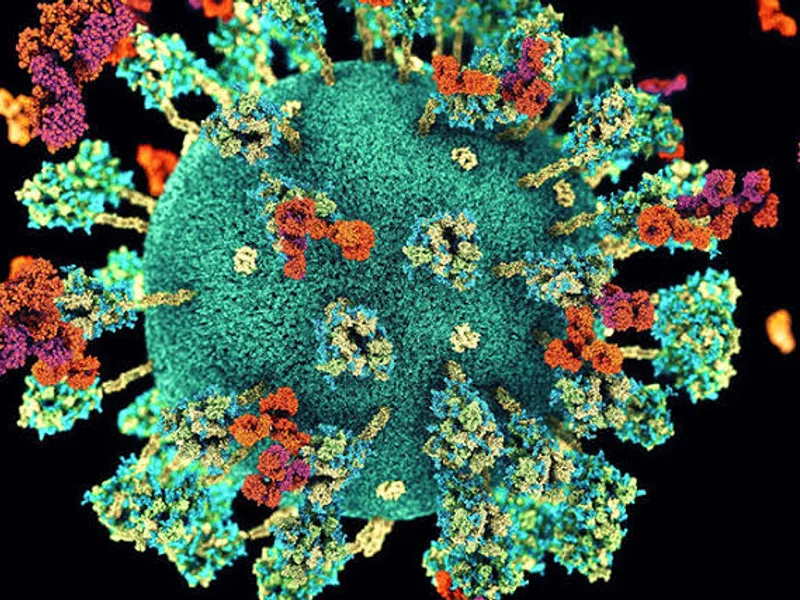
For years, long COVID had no proven treatment — only symptom management. That changed in July 2026, when UCL researchers published trial results showing a structured cognitive rehabilitation program produced lasting improvement in long COVID brain fog. This piece explains what the trial found, how i
July 23, 2026
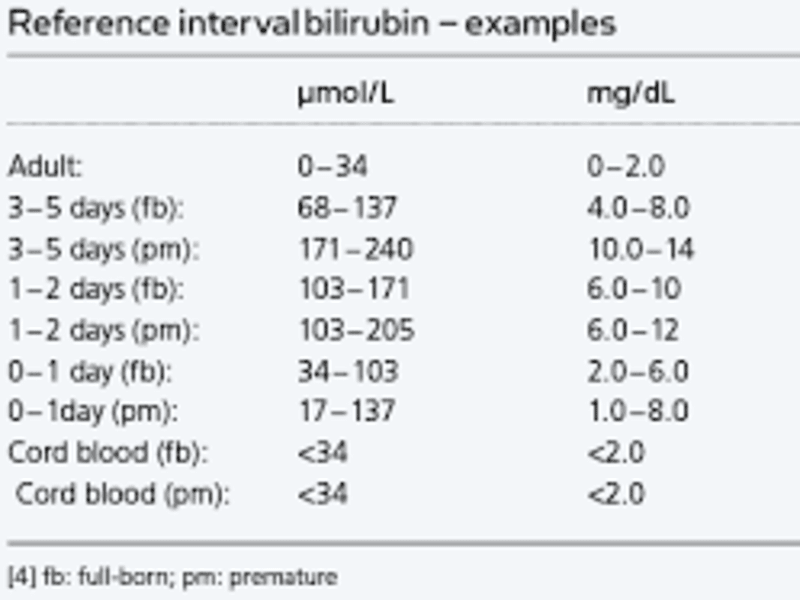
Bilirubin levels help assess liver health. This guide explains normal bilirubin values, types, causes of abnormal levels, symptoms, and when to seek medical advice.
April 11, 2026

Learn how to properly clean and care for your new ear piercing to ensure it heals beautifully and avoid infection. Follow our step-by-step guide for optimal results.
April 1, 2026