

Emergency & Help
24/7 Emergency & General Advisory
🚨 24/7 Medical Emergency
Non-Emergency Advisory
10:00 AM – 6:00 PM, Mon–Sat
For appointments & general queries.
24/7 Emergency & General Advisory
🚨 24/7 Medical Emergency
Non-Emergency Advisory
10:00 AM – 6:00 PM, Mon–Sat
For appointments & general queries.
Stay updated with our latest healthcare news and your appointments.
Don't let migraines ruin your holiday! Learn essential tips for planning and enjoying migraine-free vacations, from packing your meds to staying hydrated and managing triggers on the go.

Planning a vacation is usually filled with excitement and anticipation. You’re looking forward to exploring new places, trying new foods, and making unforgettable memories. But for those who suffer from migraines, the thought of travel can also bring a wave of anxiety. The last thing anyone wants is for debilitating migraine symptoms to strike when they’re supposed to be relaxing and enjoying themselves. Migraine is far more than just a bad headache; it can bring a host of other unpleasant symptoms like aura, nausea, vomiting, and extreme sensitivity to light and sound, capable of taking you out of commission for an entire day or even longer. Fortunately, with careful planning and a few smart strategies, you can significantly reduce the risk of triggering your migraines while traveling. This guide is designed to help you navigate your holiday with confidence, ensuring your trip is as enjoyable and pain-free as possible. We’ll cover everything from managing potential triggers to packing the right essentials, empowering you to embrace your adventures without the constant worry of a migraine attack. Understanding Migraine Triggers on the Go Migraines are complex neurological events, and their triggers can be highly individual. When you travel, you expose yourself to a whole new environment, which can inadvertently introduce new triggers or exacerbate existing ones. Common culprits include: Changes in Routine: Disruptions to your regular sleep schedule, meal times, and daily activities can throw your body off balance and set the stage for a migraine. Environmental Factors: New sights, sounds, and smells, as well as altered lighting conditions (like bright sunlight or flickering lights), can be problematic. Weather Shifts: Sudden changes in temperature, humidity, or barometric pressure can significantly affect brain chemistry and blood flow, triggering migraines in susceptible individuals. Dietary Changes: Trying new foods, irregular eating patterns, or consuming certain trigger foods (like aged cheeses, processed meats, or artificial sweeteners) can be risky. Dehydration: This is a major, often overlooked, trigger. Travel can make it harder to maintain consistent fluid intake. Stress and Excitement: While often positive, the emotional ups and downs of travel, even excitement, can sometimes provoke a migraine. Sensory Overload: Crowded places, loud noises, and strong perfumes can overwhelm your senses. Pre-Trip Planning: Laying the Foundation for a Migraine-Free Holiday The key to a successful migraine-free vacation lies in proactive planning. The more prepared you are, the better equipped you’ll be to manage potential challenges. 1. Consult Your Doctor Before you even book your tickets, have a conversation with your doctor or neurologist. Discuss your travel plans and your migraine history. They can: Review your current migraine treatment plan and adjust it if necessary for travel. Prescribe necessary medications, including rescue medications for acute attacks and potentially preventative medications if your trip is long or you anticipate significant triggers. Provide advice on managing specific triggers you might encounter at your destination. Offer a doctor's note explaining your need to carry certain medications, which can be helpful at airport security. 2. Pack Smart: Your Migraine Survival Kit Your travel bag should include more than just clothes and toiletries. A well-stocked migraine kit is essential: Medications: Carry all prescribed medications, including pain relievers, triptans, anti-nausea medication, and any preventative drugs. Pack more than you think you’ll need, as delays or unexpected extensions can happen. Keep them in their original packaging with prescriptions. Non-Medication Relief: Include items like a small, cool compress or eye mask, earplugs, sunglasses, and perhaps a travel-sized aromatherapy oil (like lavender, if it helps you). Hydration Essentials: A reusable water bottle is a must. Snack Supplies: Pack non-perishable, migraine-friendly snacks. 3. Research Your Destination Understanding your destination can help you anticipate and mitigate potential triggers: Climate: Be aware of the typical weather patterns. If you’re sensitive to temperature or humidity changes, plan activities accordingly. Altitude: High altitudes can sometimes trigger headaches. If you’re traveling to a mountainous region, plan for a slower pace initially. Local Cuisine: Familiarize yourself with common local dishes. Identify potential trigger foods and plan how to navigate them. Pace Yourself: Look at your itinerary and identify potential periods of high activity or stress. Plan for downtime. During Your Trip: Strategies for Staying Ahead of Migraines Once you’ve arrived, the real work of enjoying your vacation begins. Here’s how to manage your environment and routine: 1. Prioritize Hydration Dehydration is a sneaky migraine trigger. Make it a habit: Carry Your Bottle Everywhere: Keep your reusable water bottle filled and within reach at all times. Sip frequently throughout the day. Hydrate Before Traveling: Start drinking plenty of water a day or two before your trip. This helps build a buffer. Choose Hydrating Snacks: Opt for water-rich fruits and vegetables like watermelon, cucumbers, oranges, and celery. Limit Dehydrating Drinks: Be mindful of your intake of caffeine and alcohol. If you do consume them, balance them with extra water. 2. Maintain a Consistent Sleep Schedule Disrupted sleep is a major migraine trigger. While on vacation, aim for consistency: Stick to Bedtimes and Wake Times: Try to go to bed and wake up around the same time each day, even on days you plan to sleep in. Create a Relaxing Sleep Environment: Use earplugs and an eye mask if your hotel room is too bright or noisy. Keep the room at a comfortable temperature. Avoid Oversleeping: While tempting, sleeping too much can also trigger migraines for some people. 3. Manage Your Diet Carefully Navigating new foods requires vigilance: Eat Regularly: Don’t skip meals. Try to eat at consistent intervals to keep your blood sugar stable. Identify and Avoid Personal Triggers: Be aware of foods that commonly trigger your migraines and steer clear of them. When trying new dishes, ask about ingredients if possible. Pack Safe Snacks: Having familiar, safe snacks on hand can prevent you from reaching for unknown or potentially problematic options when hunger strikes. 4. Control Your Environment Minimize sensory overload and environmental triggers: Seek Shade: Wear sunglasses outdoors, even on cloudy days, as UV light can be a trigger. Avoid Strong Scents: Steer clear of heavily perfumed areas, smoke, and strong cleaning products. Manage Noise: Use earplugs in loud environments like concerts or busy markets. Temperature Control: If extreme heat or cold affects you, plan indoor activities or seek air-conditioned/heated spaces during peak times. 5. Pace Yourself and Plan Downtime Don’t try to do everything at once. A packed itinerary is a recipe for migraine disaster. Build in Rest Periods: Schedule breaks throughout the day. A short nap or simply sitting quietly can make a big difference. Be Flexible: If you start feeling unwell, don’t push yourself. It’s okay to skip an activity and rest. Your health comes first. Listen to Your Body: Pay attention to early warning signs of a migraine and act quickly to manage them. When to Seek Medical Help While Traveling While the goal is a pain-free vacation, sometimes migraines can be severe or other health issues may arise. Know when to seek professional help: Severe or Unusual Symptoms: If your migraine symptoms are suddenly much worse than usual, or if you experience new neurological symptoms like weakness, numbness, confusion, or difficulty speaking, seek immediate medical attention. These could indicate a more serious condition. Migraine Not Responding to Treatment: If your usual medications aren’t effective, or if your migraine lasts for more than 72 hours, consult a doctor. Signs of Dehydration or Heatstroke: If you experience symptoms like dizziness, extreme thirst, lack of sweating, or confusion, seek medical help promptly. Accidents or Injuries: Standard travel emergencies require prompt medical attention. Most travel insurance plans include medical coverage. Know your policy details and how to access healthcare services at your destination. Frequently Asked Questions (FAQ) Q1: Can I fly with migraine medication? A: Yes, generally you can. It’s best to keep all your medications, especially prescription ones, in their original containers with the pharmacy label. Carry them in your carry-on luggage. You may want to bring a copy of your prescription or a letter from your doctor, particularly for controlled substances or large quantities, though this is often not required for common migraine medications. Q2: What if I get a migraine on a plane? A: Stay hydrated by drinking water. If you have medication with you, take it as prescribed. Try to rest in a darkened seat if possible. Inform the flight attendant if you feel unwell; they can often assist. Q3: Are there specific foods I should avoid when traveling to a new country? A: While it’s hard to list specific international foods, focus on avoiding your known personal migraine triggers. Common triggers include aged cheeses, processed meats, artificial sweeteners (like aspartame), MSG, and alcohol. If you're unsure about ingredients, it's safer to stick to simpler dishes. Q4: How can I manage migraines caused by weather changes while traveling? A: Keep an eye on the weather forecast. If significant changes are expected, take your preventative medication as advised by your doctor or be prepared to use your rescue medication at the first sign of symptoms. Staying hydrated and maintaining a
In summary, timely diagnosis, evidence-based treatment, and prevention-focused care improve long-term health outcomes.
Visit Hospital
Near You
For years, long COVID had no proven treatment — only symptom management. That changed in July 2026, when UCL researchers published trial results showing a structured cognitive rehabilitation program produced lasting improvement in long COVID brain fog. This piece explains what the trial found, how i
July 23, 2026
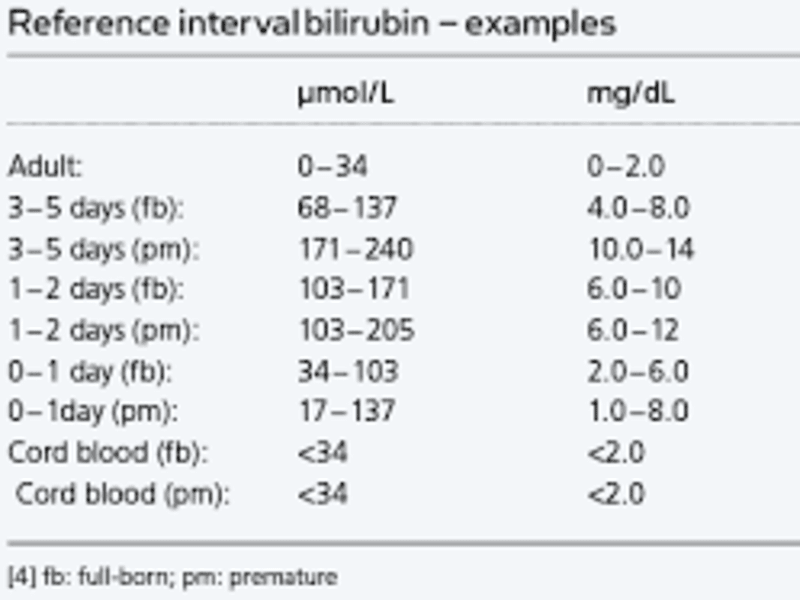
Bilirubin levels help assess liver health. This guide explains normal bilirubin values, types, causes of abnormal levels, symptoms, and when to seek medical advice.
April 11, 2026

Learn how to properly clean and care for your new ear piercing to ensure it heals beautifully and avoid infection. Follow our step-by-step guide for optimal results.
April 1, 2026