

Emergency & Help
24/7 Emergency & General Advisory
🚨 24/7 Medical Emergency
Non-Emergency Advisory
10:00 AM – 6:00 PM, Mon–Sat
For appointments & general queries.
24/7 Emergency & General Advisory
🚨 24/7 Medical Emergency
Non-Emergency Advisory
10:00 AM – 6:00 PM, Mon–Sat
For appointments & general queries.
Stay updated with our latest healthcare news and your appointments.
Understand Transitional Care Management (TCM) and how it helps patients transition from hospital to home. Learn about its services, benefits, and importance for a safe recovery.

Leaving a hospital or other medical facility can feel overwhelming. You might be thinking about your recovery, managing new medications, and simply getting back to your daily routine. This is where Transitional Care Management (TCM) steps in, offering a vital bridge to help you transition smoothly back to your home or community. In India, while the term 'Medicare' is specific to the US system, the *concept* of coordinated care after a hospital stay is something many families grapple with. This guide will explore what TCM is, how it works, and why it's so important for ensuring you receive the right support during this critical period, drawing parallels to the Indian healthcare context where applicable.
Transitional Care Management is a service designed to help patients, especially older adults or those with complex health needs, navigate the period immediately following a discharge from a hospital, rehabilitation centre, or skilled nursing facility. The primary goal is to ensure continuity of care, prevent complications, and reduce the likelihood of readmission to the hospital. Think of it as a dedicated support system that works behind the scenes to make sure your recovery at home is safe and successful.
In the Indian context, this often falls on family members or informal caregivers. While formal TCM programs like those under Medicare are not widespread, the need for coordinated discharge planning, medication reconciliation, and timely follow-up appointments is universal. Many private hospitals and some larger healthcare groups are beginning to implement similar discharge planning services to improve patient outcomes.
The transition from a medical facility back home is a vulnerable time. Patients are often dealing with:
Without proper support, these challenges can lead to misunderstandings, missed appointments, medication errors, and ultimately, a return to the hospital. TCM aims to proactively address these issues.
A TCM program typically spans 30 days following your discharge. During this period, a designated healthcare professional, often a nurse or a care coordinator, plays a key role. Services usually include:
Consider Mrs. Sharma, an 80-year-old woman who was recently discharged from the hospital after a fall that led to a hip fracture. She lives alone and was worried about managing her pain medication, remembering her new blood thinner, and attending her physiotherapy sessions. Her hospital's discharge planner connected her with a TCM coordinator. Within 48 hours, the coordinator called Mrs. Sharma, reviewed her medication list, and helped her schedule her first physiotherapy appointment for the following week. The coordinator also checked in weekly, ensuring Mrs. Sharma felt confident and supported in her recovery at home.
While TCM can benefit almost any patient transitioning from a facility, it is especially valuable for:
Even with TCM, it’s important to be vigilant about your health. You should contact your doctor or the TCM coordinator if you experience any of the following:
Family members and caregivers are integral to the success of TCM. Your involvement ensures that the patient's needs are fully understood and met. Open communication with the TCM coordinator is key. Don't hesitate to ask questions, express concerns, or provide feedback about the patient's condition and recovery progress.
While the term 'Medicare' is specific to the US, the principles of Transitional Care Management are globally relevant. As healthcare systems evolve, the emphasis on coordinated, patient-centred care during transitions is growing. If you or a loved one are preparing for discharge from a medical facility, inquire about post-discharge support services. Proactive planning and clear communication are your best allies in ensuring a safe and speedy recovery at home.
A: While older adults and those with multiple chronic conditions are primary candidates, TCM can benefit any patient who has complex medical needs or is at high risk for complications after leaving a healthcare facility.
A: The standard duration for TCM services is 30 days following discharge from a qualifying medical facility.
A: TCM coordinators are trained to work directly with patients, even if they live alone. They will ensure you have the necessary information and support. They can also help connect you with community resources if needed.
A: TCM primarily covers the coordination and management of your care. It does not typically cover the cost of medications or home care services directly. However, the TCM coordinator can help you understand your insurance coverage and connect you with resources that might assist with these costs.
A: If you are being discharged from a hospital or other medical facility, ask your doctor, nurse, or the hospital's discharge planner about Transitional Care Management services. They can inform you about availability and eligibility based on your specific situation and insurance.
Visit Hospital
Near You
For years, long COVID had no proven treatment — only symptom management. That changed in July 2026, when UCL researchers published trial results showing a structured cognitive rehabilitation program produced lasting improvement in long COVID brain fog. This piece explains what the trial found, how i
July 23, 2026
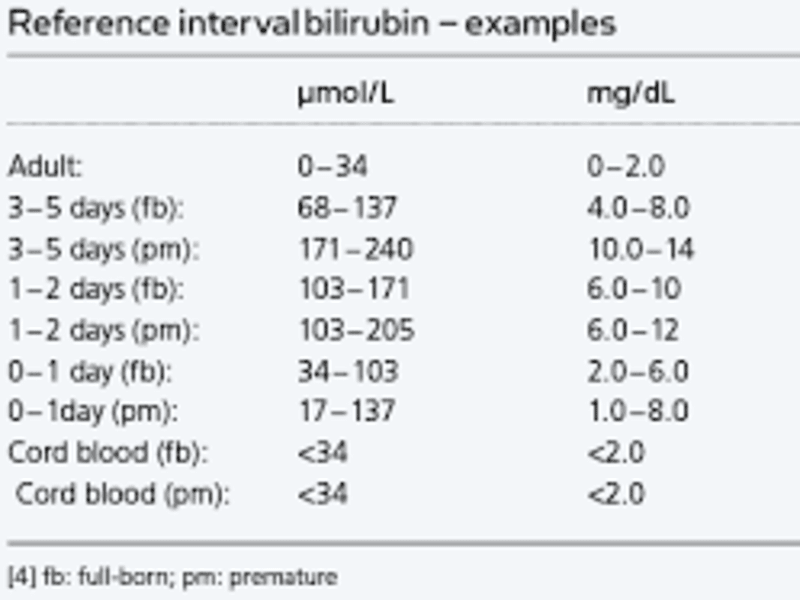
Bilirubin levels help assess liver health. This guide explains normal bilirubin values, types, causes of abnormal levels, symptoms, and when to seek medical advice.
April 11, 2026

Learn how to properly clean and care for your new ear piercing to ensure it heals beautifully and avoid infection. Follow our step-by-step guide for optimal results.
April 1, 2026