

Emergency & Help
24/7 Emergency & General Advisory
🚨 24/7 Medical Emergency
Non-Emergency Advisory
10:00 AM – 6:00 PM, Mon–Sat
For appointments & general queries.
24/7 Emergency & General Advisory
🚨 24/7 Medical Emergency
Non-Emergency Advisory
10:00 AM – 6:00 PM, Mon–Sat
For appointments & general queries.
Stay updated with our latest healthcare news and your appointments.
Understand Medicare's Transitional Care Management (TCM) program, designed to support your return home from a medical facility. Learn about coverage, services, costs, and eligibility.

Leaving a hospital or other medical facility can feel like a big step, especially when you're managing ongoing health needs. You might be wondering, "Will Medicare help me with this transition?" The good news is, yes, Medicare offers support through a program called Transitional Care Management (TCM). This service is designed to make your journey back home smoother and safer, ensuring you get the right care and support when you need it most. This guide will walk you through what TCM is, how it works under Medicare, and what you can expect.
Think of Transitional Care Management as a dedicated support system for individuals moving from a hospital, skilled nursing facility, or other inpatient setting back to their community or home. The primary goal of TCM is to ensure that your care remains coordinated and that you have the resources you need to recover successfully. A designated healthcare professional, like a doctor or nurse practitioner, oversees this transition for a period of 30 days after your discharge. This professional acts as your point person, helping to bridge the gap between your inpatient stay and your return to everyday life. This service is especially vital for older adults or those with multiple chronic conditions who often have complex care plans and medication schedules.
Imagine your grandmother, Mrs. Sharma, who has been in the hospital for a week due to a fall and a broken hip. She’s anxious about going home because she lives alone and has diabetes and high blood pressure that need careful management. She's worried about remembering her new medications, attending physical therapy, and monitoring her blood sugar. TCM can step in here, providing her with a dedicated contact who will help coordinate her follow-up appointments, check in on her medication regimen, and ensure she has a plan for her physical therapy sessions. This support can significantly reduce her stress and the risk of complications.
Medicare recognizes the importance of a well-managed transition to prevent complications and costly readmissions. Transitional Care Management services are covered under Medicare Part B, which is your medical insurance. This means it helps pay for outpatient services, doctor visits, and other medical necessities you receive outside of a hospital stay.
Who is eligible for TCM coverage?
The TCM period officially begins on your discharge date and lasts for 30 days. During this month, your assigned healthcare professional will work diligently to manage your care.
The TCM program is comprehensive and aims to address various aspects of your recovery. Your healthcare professional will:
While Medicare Part B covers TCM services, you will have some out-of-pocket costs. These are standard for most Part B services:
It’s important to discuss these potential costs with your healthcare provider and understand your specific coverage details.
If you have a Medicare Advantage plan (Part C), which is offered by private insurance companies approved by Medicare, you are also covered for TCM. These plans must provide at least the same benefits as Original Medicare (Parts A and B).
Key things to remember with Medicare Advantage:
One of the most significant benefits of TCM is its role in preventing hospital readmissions. When patients don't receive adequate follow-up care after leaving a facility, they are at a higher risk of their condition worsening, leading to another hospital visit. TCM bridges this critical gap. By ensuring timely follow-up, medication reconciliation, and coordination with other providers, TCM helps patients manage their health effectively at home. Studies have shown that this type of coordinated care can lead to better health outcomes, improved patient satisfaction, and a reduction in healthcare costs associated with unnecessary hospital stays.
You don't necessarily need to initiate the TCM process yourself. Often, the hospital or medical facility where you are staying will discuss TCM with you before discharge and help set it up if you are eligible. However, it’s always a good idea to be proactive.
Ask your healthcare team before you leave the facility:
If you are discharged and haven't heard from a TCM provider within 1-2 business days, or if you have concerns about your care plan or medications, don't hesitate to contact your primary care physician's office. You can also call your Medicare Advantage plan provider if you are enrolled in one.
A1: TCM covers specific care coordination services for 30 days post-discharge. It does not cover all your medical costs. You are still responsible for regular Medicare Part B costs like deductibles and coinsurance for the TCM services themselves, and other medical services you receive will be covered according to standard Medicare rules.
A2: Your TCM provider must be approved by Medicare. If you have Original Medicare, you have more flexibility. If you have a Medicare Advantage plan, you generally need to choose a provider within your plan's network.
A3: After the 30-day period, your primary care physician and other specialists will continue to manage your care. The goal of TCM is to ensure a stable transition, so you should be well-established with your ongoing care providers by the end of the TCM period.
Navigating healthcare can be complex, but understanding programs like Transitional Care Management can empower you to take control of your recovery. By working with your healthcare team and utilizing the support Medicare provides, you can achieve a smoother and safer return home.
Visit Hospital
Near You

For years, long COVID had no proven treatment — only symptom management. That changed in July 2026, when UCL researchers published trial results showing a structured cognitive rehabilitation program produced lasting improvement in long COVID brain fog. This piece explains what the trial found, how i
July 23, 2026
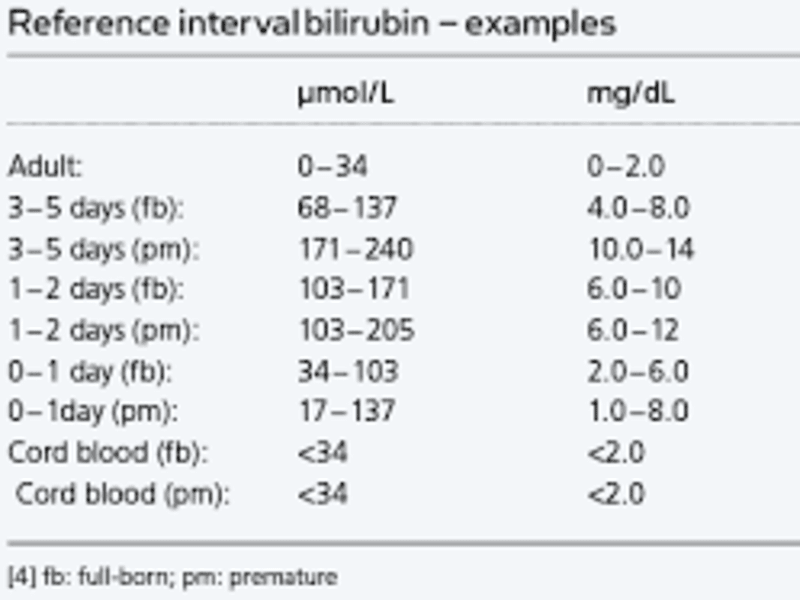
Bilirubin levels help assess liver health. This guide explains normal bilirubin values, types, causes of abnormal levels, symptoms, and when to seek medical advice.
April 11, 2026

Learn how to properly clean and care for your new ear piercing to ensure it heals beautifully and avoid infection. Follow our step-by-step guide for optimal results.
April 1, 2026