

Emergency & Help
24/7 Emergency & General Advisory
🚨 24/7 Medical Emergency
Non-Emergency Advisory
10:00 AM – 6:00 PM, Mon–Sat
For appointments & general queries.
24/7 Emergency & General Advisory
🚨 24/7 Medical Emergency
Non-Emergency Advisory
10:00 AM – 6:00 PM, Mon–Sat
For appointments & general queries.
Stay updated with our latest healthcare news and your appointments.
Discover the essential waiting period before swimming with a new tattoo. Learn about infection risks, ink fading, and proper aftercare to keep your fresh ink vibrant and your skin healthy.

You've just gotten a stunning new tattoo, and the urge to show it off is strong! Perhaps a refreshing dip in the pool or a relaxing day at the beach is calling your name. But before you pack your swimwear, it's vital to understand the rules of engagement between fresh ink and water. Diving into water too soon after getting a tattoo can put both your health and your beautiful new artwork at risk. This guide will walk you through exactly when it's safe to swim, why it's so important, and what to do if you absolutely must expose your new tattoo to water.
Think of a new tattoo as an open wound. Your skin has been through a process that involves needles breaking the skin's surface to deposit ink. During the initial healing phase, this area is vulnerable. Introducing water, especially untreated water like in lakes, oceans, or even swimming pools, can expose this vulnerable skin to a cocktail of bacteria and contaminants.
The Risks of Swimming Too Soon:
The general consensus among tattoo artists and health professionals is that you should wait for your tattoo to fully heal before submerging it in water. This typically takes anywhere from 2 to 4 weeks. However, this is just an average. The exact healing time can vary significantly based on several factors:
While a tattoo might look and feel healed on the surface within a week or two, the deeper layers of skin are still regenerating. A tattoo is truly considered fully healed when it is no longer red, itchy, scabbing, or flaking. If you're unsure, the best course of action is to visit your tattoo artist for a professional assessment.
It can be tricky to gauge when your tattoo is completely healed, as the surface may appear normal long before the deeper layers have finished their work. Here’s what to look out for:
If you observe all these signs, your tattoo is likely ready for a swim. When in doubt, always consult your tattoo artist.
Life happens, and sometimes you might find yourself in a situation where you have to get a new tattoo wet, perhaps for essential physical therapy or rehabilitation. In such unavoidable circumstances, taking protective measures is paramount. Your tattoo artist can recommend specific products, but waterproof dressings are generally your best bet.
Using a Waterproof Dressing:
This temporary barrier helps protect your tattoo from direct contact with water. However, remember that this is a last resort, and the less time your tattoo is covered and submerged, the better for its healing.
Proper aftercare is not just about preventing infection; it's also about ensuring your tattoo heals beautifully and the colors remain vibrant for years to come. Your tattoo artist will provide specific instructions, but here are some general guidelines:
While most tattoo healing processes go smoothly, it's important to be vigilant for signs of complications. If you notice any of the following, seek medical attention immediately:
These could indicate a serious infection that requires professional medical treatment.
No, you should avoid soaking your new tattoo in a bath for the same reasons you should avoid swimming. Submerging the tattoo in standing water increases the risk of infection and can damage the ink.
It's best to avoid activities that cause excessive sweating or friction on the tattooed area. Sweating can irritate the tattoo, and friction from gym equipment or clothing can damage the healing skin. Consult your artist for specific advice based on the tattoo's location.
If your new tattoo gets accidentally splashed with water, gently clean it with mild soap and water and pat it dry immediately. Avoid prolonged exposure.
You should wait until your tattoo is completely healed (typically 2-4 weeks or longer) before applying sunscreen. Sunscreen can interfere with the healing process if applied too early.
Visit Hospital
Near You
For years, long COVID had no proven treatment — only symptom management. That changed in July 2026, when UCL researchers published trial results showing a structured cognitive rehabilitation program produced lasting improvement in long COVID brain fog. This piece explains what the trial found, how i
July 23, 2026
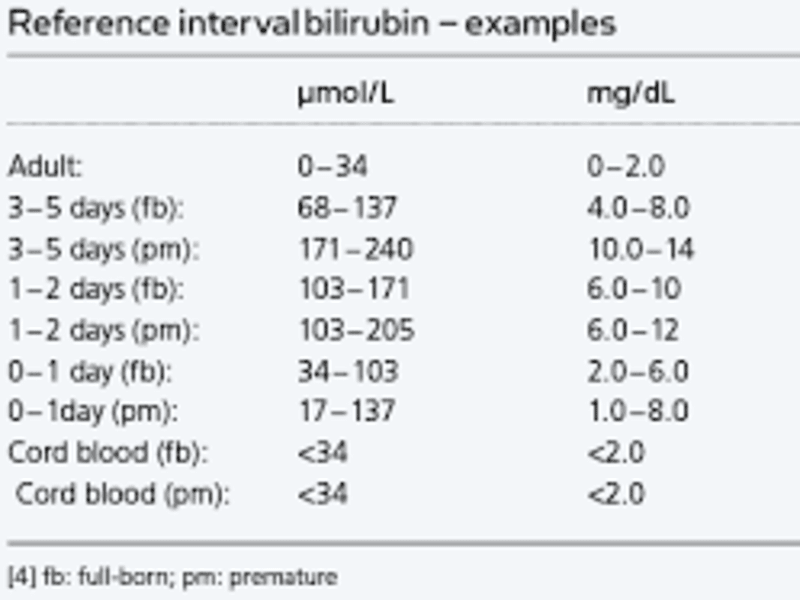
Bilirubin levels help assess liver health. This guide explains normal bilirubin values, types, causes of abnormal levels, symptoms, and when to seek medical advice.
April 11, 2026

Learn how to properly clean and care for your new ear piercing to ensure it heals beautifully and avoid infection. Follow our step-by-step guide for optimal results.
April 1, 2026