

Emergency & Help
24/7 Emergency & General Advisory
🚨 24/7 Medical Emergency
Non-Emergency Advisory
10:00 AM – 6:00 PM, Mon–Sat
For appointments & general queries.
24/7 Emergency & General Advisory
🚨 24/7 Medical Emergency
Non-Emergency Advisory
10:00 AM – 6:00 PM, Mon–Sat
For appointments & general queries.
Stay updated with our latest healthcare news and your appointments.
Thinking of re-piercing your ears? Learn the safe way to reopen old piercings, when to see a professional, and how to care for your new look. Get back to sparkling safely!

Remember those tiny studs or dazzling hoops you used to wear, only to find they’ve been tucked away in a drawer for years? Perhaps you’ve rediscovered a love for earrings, or maybe you’re simply feeling nostalgic for a look you once adored. Whatever the reason, the thought of re-piercing your ears might be crossing your mind. It’s an exciting prospect to bring back that personal flair, but before you reach for those long-lost earrings, let’s talk about how to do it safely and effectively, especially for us here in India where trends and traditions beautifully blend.
The first thing to figure out is the state of your old piercing holes. This is key to deciding whether you can attempt it at home or if a professional touch is needed.
Even if you haven’t worn earrings for months or even years, you might still have a usable hole. Often, a thin layer of skin forms over the opening, but a tunnel beneath it remains. It might feel a bit stubborn, but don’t force it! Trying to break through this skin layer yourself can lead to minor tears, which can invite infection or cause bleeding. We want to avoid that, right?
If your piercing holes have completely closed up, there’s no way around it – you’ll need a professional piercer to create a new opening for you. Trying to force an earring through a fully closed hole is not only painful but also significantly increases the risk of complications. Remember, an estimated half of all at-home piercings can end up needing medical attention, so it’s worth investing in a professional for a safe experience.
If you’ve determined your piercing is only partially closed, you might be able to reopen it yourself with a bit of care and patience. Here’s how:
A Real-Life Scenario: Priya found her favorite silver jhumkas after years. She noticed her ear piercings were mostly closed but could feel a slight opening. Remembering her mother’s advice about warm compresses, she softened her earlobes with a warm cloth, applied a bit of coconut oil (a common Indian household lubricant!), and gently pushed the earring through. It took a few tries and a little wiggling, but she succeeded without pain, and now she’s back to wearing her beloved jhumkas!
If you try the gentle methods for a partially closed piercing and meet resistance or pain, it’s time to step back. Forcing it can cause damage, scarring, or infection. A professional piercer has the right tools and expertise to handle these situations safely. You can often find reputable piercers through recommendations or professional organizations.
This is a common question, and the answer is usually “maybe.” A professional piercing expert is the best person to assess this. They will examine your earlobes, look at the old piercing site, and consider factors like:
A professional can guide you on the safest location for a new piercing, ensuring it heals well and looks great.
Scar tissue, whether from an old infection, allergic reaction, or simply the body’s natural healing process, can complicate re-piercing. If you have significant scar tissue, a professional piercer will likely recommend a new spot away from the affected area. In some cases, especially with keloids (raised, thickened scars), they might advise against re-piercing altogether to avoid further complications.
When seeking a professional, look for someone experienced, who works in a clean, sterile environment, and uses proper equipment. Don’t hesitate to ask questions about their sterilization procedures and experience. Reputable piercers prioritize your safety and comfort.
Healing times can vary, but typically, earlobe re-piercings take about 4-8 weeks to heal fully. It’s important to follow aftercare instructions diligently.
For initial healing, opt for simple studs made of hypoallergenic materials like surgical stainless steel, titanium, or niobium. Avoid heavy or dangly earrings until the piercing is completely healed.
It is strongly advised against attempting to re-pierce cartilage at home. Cartilage is more prone to infection and takes much longer to heal than earlobes. Always see a professional for cartilage piercings.
If you notice signs of infection like increased redness, swelling, warmth, pus, or severe pain, contact a doctor or a piercing professional immediately. Do not remove the earring unless advised by a medical professional.
Re-piercing your ears can be a wonderful way to refresh your style and reconnect with a past look. By understanding the condition of your piercings and opting for professional help when needed, you can ensure a safe and successful experience. Listen to your body, choose wisely, and get ready to adorn your ears once more!
Visit Hospital
Near You
For years, long COVID had no proven treatment — only symptom management. That changed in July 2026, when UCL researchers published trial results showing a structured cognitive rehabilitation program produced lasting improvement in long COVID brain fog. This piece explains what the trial found, how i
July 23, 2026
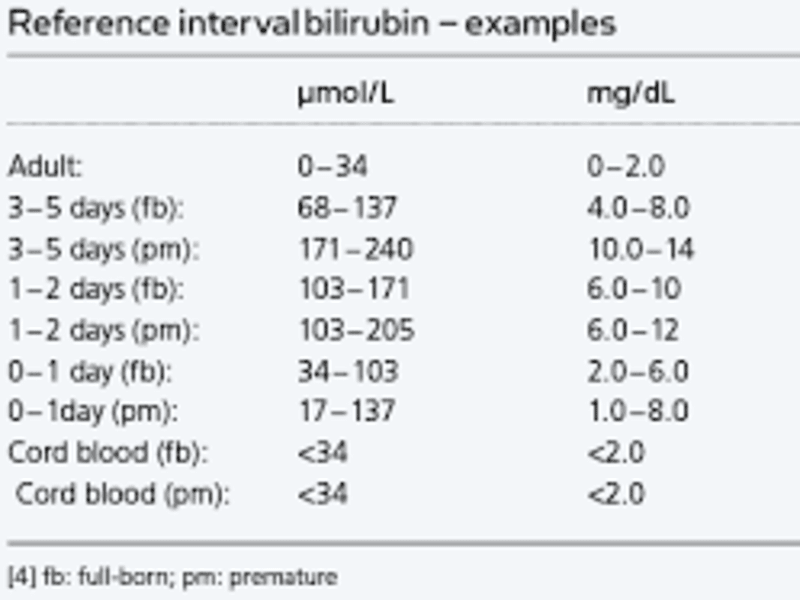
Bilirubin levels help assess liver health. This guide explains normal bilirubin values, types, causes of abnormal levels, symptoms, and when to seek medical advice.
April 11, 2026

Learn how to properly clean and care for your new ear piercing to ensure it heals beautifully and avoid infection. Follow our step-by-step guide for optimal results.
April 1, 2026