

Emergency & Help
24/7 Emergency & General Advisory
🚨 24/7 Medical Emergency
Non-Emergency Advisory
10:00 AM – 6:00 PM, Mon–Sat
For appointments & general queries.
24/7 Emergency & General Advisory
🚨 24/7 Medical Emergency
Non-Emergency Advisory
10:00 AM – 6:00 PM, Mon–Sat
For appointments & general queries.
Stay updated with our latest healthcare news and your appointments.
Discover practical, actionable tips to boost your brainpower, improve memory, and enhance focus through diet, exercise, sleep, and engaging activities. Keep your mind sharp!

Are you looking for ways to keep your mind sharp as you navigate life's journey? It's a common concern, and thankfully, it's not just about genetics. Your daily habits and lifestyle choices play a significant role in maintaining and even boosting your cognitive abilities. Think of your brain as a muscle; the more you exercise it in the right ways, the stronger and more agile it becomes. This isn't about complex brain-training games you see advertised everywhere. It's about integrating simple, enjoyable activities into your routine that support focus, memory, and overall mental performance. Experts emphasize that maintaining cognitive health is vital for a good quality of life, enabling you to remain independent and engaged. Your capacity to learn new things, make sound decisions, communicate effectively, and remember important details can all be influenced by the choices you make today.
As we age, our cognitive functions become even more critical. They are the bedrock of our independence and our ability to enjoy life to its fullest. Imagine being able to learn a new skill, manage your finances with confidence, or simply recall cherished memories with clarity. These abilities are not just pleasant; they are fundamental to well-being. A decline in cognitive function can impact everything from daily tasks to complex decision-making, affecting your confidence and independence. Prioritizing brain health means investing in your future self, ensuring you can continue to live a full and engaged life.
You might be surprised to learn that many activities you already enjoy can be powerful brain boosters! Socializing with friends, for instance, isn't just good for your mood; it actively engages your brain. Conversations require listening, processing information, and responding, all of which are excellent cognitive workouts. Positive social relationships are consistently linked to better cognitive performance and a slower rate of memory decline as people get older. So, that coffee date with a friend or a family gathering isn't just leisure time; it's an investment in your mental and psychological health.
What you eat directly impacts how your brain functions. A well-balanced diet is not just good for your body; it's essential for cognitive health. Healthcare professionals often recommend the Mediterranean diet for its brain-boosting benefits. This eating pattern emphasizes fruits, vegetables, whole grains, legumes, nuts, seeds, fish, and olive oil, while limiting red meat and processed foods. It may even help reduce the risk of neurodegenerative diseases like Alzheimer's.
Focusing on whole, unprocessed foods will provide your brain with the sustained energy and nutrients it needs to function optimally throughout the day.
Regular exercise is a cornerstone of good health, and its benefits extend profoundly to your brain. Research consistently shows a strong link between physical activity and improved cognitive function. Studies suggest that consistent fitness activity can lead to an increase in the size of the hippocampus, a critical brain region for memory. Whether you love dancing, cycling, swimming, or playing a sport, you're not just benefiting your body; you're actively enhancing your mental well-being.
The Centers for Disease Control and Prevention (CDC) recommends at least 150 minutes of moderate-intensity aerobic activity per week. This could be 30 minutes of brisk walking, jogging, or cycling, five days a week. Additionally, incorporating muscle-strengthening exercises at least twice a week is advised to maintain overall physical health, which supports brain function.
Even gentle activities like walking can make a significant difference. The key is consistency. Find activities you enjoy so you're more likely to stick with them. Exercise can also be a powerful tool in combating mood disorders like depression, further contributing to your overall mental clarity.
Sleep is not a luxury; it's a biological necessity, especially for cognitive function. During sleep, your brain works diligently to consolidate memories, process information learned throughout the day, and clear out metabolic waste. Research highlights the critical relationship between sleep and memory, particularly for long-term retention of learned material. Skimping on sleep can impair focus, decision-making, and emotional regulation.
The CDC recommends that adults aim for 7 or more hours of quality sleep per night. Prioritizing good sleep hygiene is fundamental to keeping your brain sharp and functioning at its best.
Many people turn to supplements to fill potential nutritional gaps. While a balanced diet is the primary source of nutrients, certain supplements might offer additional support for cognitive health. However, it's always best to consult with a healthcare professional before starting any new supplement regimen.
Remember, supplements are meant to supplement a healthy diet, not replace it. Always discuss with your doctor to determine if any supplements are appropriate for you.
While these lifestyle tips can significantly boost your cognitive health, it's essential to know when to consult a doctor. If you experience sudden or significant changes in your memory, concentration, or ability to perform daily tasks, don't ignore it. These could be signs of an underlying medical condition that requires professional diagnosis and treatment. Persistent confusion, difficulty with language, or changes in personality should also prompt a visit to your healthcare provider. Early detection and intervention can make a substantial difference in managing various health concerns.
Yes! The brain has a remarkable ability to adapt and form new connections throughout life, a concept known as neuroplasticity. Engaging in mentally stimulating activities, maintaining a healthy lifestyle, and getting enough sleep can all contribute to memory improvement at any age.
It's never too late to start! Even moderate physical activity can yield significant cognitive benefits. Begin with gentle exercises and gradually increase intensity and duration as your fitness improves. Consulting your doctor before starting a new exercise program is always a good idea.
Most adults need 7 to 9 hours of quality sleep per night for optimal brain function. Consistent sleep patterns and good sleep hygiene are key. If you consistently struggle with sleep, talk to your doctor.
While brain games can be fun and offer some benefits, they are just one piece of the puzzle. A holistic approach including physical exercise, a balanced diet, social interaction, and adequate sleep is generally more effective for overall cognitive health than relying solely on brain games.
Yes, chronic stress can negatively impact cognitive functions like memory and concentration. Learning effective stress management techniques, such as mindfulness, meditation, or deep breathing exercises, is crucial for maintaining mental clarity.
Visit Hospital
Near You

For years, long COVID had no proven treatment — only symptom management. That changed in July 2026, when UCL researchers published trial results showing a structured cognitive rehabilitation program produced lasting improvement in long COVID brain fog. This piece explains what the trial found, how i
July 23, 2026
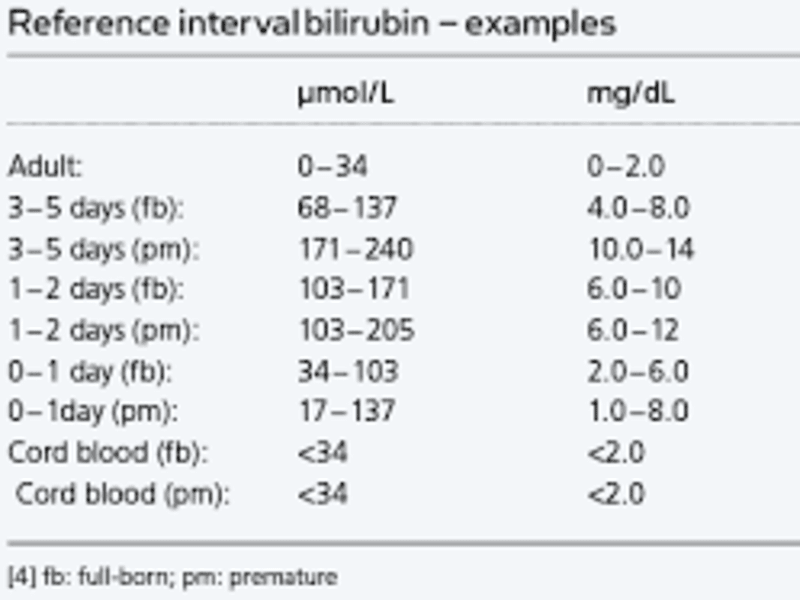
Bilirubin levels help assess liver health. This guide explains normal bilirubin values, types, causes of abnormal levels, symptoms, and when to seek medical advice.
April 11, 2026

Learn how to properly clean and care for your new ear piercing to ensure it heals beautifully and avoid infection. Follow our step-by-step guide for optimal results.
April 1, 2026