

Emergency & Help
24/7 Emergency & General Advisory
🚨 24/7 Medical Emergency
Non-Emergency Advisory
10:00 AM – 6:00 PM, Mon–Sat
For appointments & general queries.
24/7 Emergency & General Advisory
🚨 24/7 Medical Emergency
Non-Emergency Advisory
10:00 AM – 6:00 PM, Mon–Sat
For appointments & general queries.
Stay updated with our latest healthcare news and your appointments.
Discover why skipping the rinse after brushing your teeth could be the secret to stronger enamel and better cavity protection. Learn the science and practical tips!

For years, we've been taught a simple, almost automatic sequence: brush, spit, rinse. It's a ritual ingrained in our daily routines, passed down from childhood. That refreshing, minty feeling after a good brush is often followed by a vigorous swish of water, clearing out the toothpaste taste. But what if this ingrained habit, this pursuit of a 'cleaner' feeling, is actually working against your dental health? A new wave of thought suggests that skipping that post-brushing rinse might be the smarter move for your teeth and gums. Let's dive deep into this dental dilemma and uncover what the experts are saying.
The tradition of rinsing after brushing isn't entirely without merit. For a long time, the primary concern revolved around fluoride. Toothpastes, especially those formulated for stronger enamel and cavity prevention, contain fluoride. While beneficial, ingesting large quantities of fluoride isn't advisable. Conventional wisdom dictated that rinsing was a safeguard, a way to wash away any excess fluoride that might be accidentally swallowed. This was particularly relevant for children, who might be more prone to swallowing toothpaste. Furthermore, there's that undeniable urge to banish the strong, often medicinal, taste of toothpaste. Rinsing provides that immediate sense of neutrality and freshness.
Fluoride is a true hero in the fight against tooth decay. This natural mineral, often added to our drinking water and, of course, our toothpaste, plays a vital role in strengthening tooth enamel. The key to fluoride's effectiveness lies in its contact time with your teeth. When fluoride stays on your teeth for a sustained period after brushing, it can better protect against acid attacks from food and bacteria, effectively remineralizing enamel and making it more resistant to cavities. Rinsing immediately after brushing essentially washes away this protective layer before it has had a chance to fully work. Think of it like applying a protective lotion and then immediately wiping it off – you lose most of the benefit!
The U.K.'s Oral Health Foundation, among other dental bodies, now advocates for a simpler approach: spit out the excess toothpaste and saliva, and then simply stop. This allows the residual fluoride from the toothpaste to continue its protective action on your teeth. While research on the exact optimal time to leave fluoride on your teeth is still evolving, the consensus is leaning towards maximizing its contact time. So, that urge to rinse might be a habit you can break for better oral hygiene.
Now, let's address the concerns. What happens if you don't rinse? The primary worry centers around ingesting too much fluoride. However, this concern is largely mitigated when using the recommended pea-sized amount of fluoride toothpaste. Side effects like dental fluorosis (discoloration of teeth) or skeletal fluorosis (affecting bones) are extremely rare in adults using standard toothpaste and are typically associated with either ingesting very large quantities, often by children mistaking toothpaste for candy, or prolonged exposure to industrial-level fluoride concentrations. For a healthy adult, accidentally swallowing a small amount of toothpaste residue is highly unlikely to cause any harm.
Another consideration is the taste. Some people simply can't stand the lingering taste of toothpaste. If this is a significant issue, waiting a while before rinsing, or using a mouthwash that contains fluoride and is specifically designed to be used after brushing (and not swallowed), could be an option. However, the best practice remains to allow the fluoride from your toothpaste to work undisturbed for as long as possible.
Intriguing research suggests that changing the order of your oral hygiene routine might offer a solution. A small study involving dental students found that flossing before brushing led to a higher concentration of fluoride remaining on the teeth after brushing. The theory is that flossing first removes debris and plaque, allowing the fluoride toothpaste to reach and coat the tooth surfaces more effectively. This could potentially allow you to rinse afterward without losing as much of the fluoride's benefit, though more research is needed.
There are specific situations where rinsing might still be recommended:
So, how do you transition to a no-rinse or minimal-rinse routine?
While it's not ideal for maximizing fluoride's benefits, rinsing with plain water after brushing is generally safe for most adults. The key is to minimize the amount of fluoride you ingest. If you choose to rinse, use only a small amount of water and swish briefly.
It depends on the mouthwash. If it contains fluoride, using it immediately after brushing might rinse away the toothpaste's fluoride. It's often recommended to use fluoride mouthwash at a different time of day. If it's an antiseptic or cosmetic mouthwash without fluoride, follow the product's instructions, but be aware that some can be drying. For optimal fluoride benefit, consider skipping the mouthwash immediately after brushing.
To allow fluoride to work effectively, it's best to wait at least 10 to 20 minutes after brushing before eating or drinking anything other than water. Some sources even suggest up to 30 minutes.
Some studies suggest that flossing before brushing may help increase the amount of fluoride that remains on your teeth after brushing. This is because flossing first can help remove plaque and debris, allowing the fluoride from toothpaste to better adhere to tooth surfaces. However, the most important thing is to floss daily, regardless of the order.
While changing your brushing routine is generally straightforward, it's always wise to consult your dentist if you have any concerns. If you experience persistent bad breath, tooth sensitivity, gum bleeding, or have questions about the best oral hygiene practices for your specific needs, your dentist is your best resource. They can provide personalized advice tailored to your oral health condition.
Breaking an ingrained habit can be tough, but understanding the science behind oral hygiene empowers you to make informed choices. For many, ditching the post-brushing rinse could be a simple yet powerful step towards healthier, more resilient teeth.
Visit Hospital
Near You

For years, long COVID had no proven treatment — only symptom management. That changed in July 2026, when UCL researchers published trial results showing a structured cognitive rehabilitation program produced lasting improvement in long COVID brain fog. This piece explains what the trial found, how i
July 23, 2026
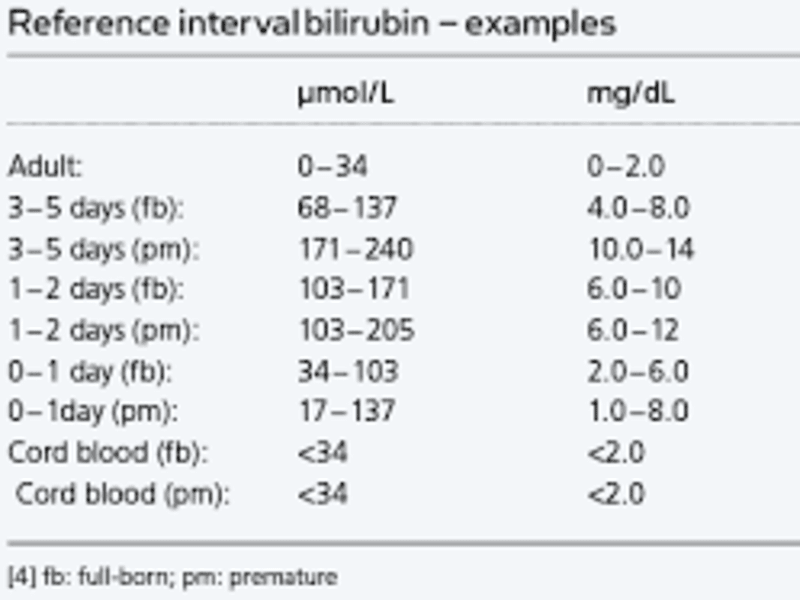
Bilirubin levels help assess liver health. This guide explains normal bilirubin values, types, causes of abnormal levels, symptoms, and when to seek medical advice.
April 11, 2026

Learn how to properly clean and care for your new ear piercing to ensure it heals beautifully and avoid infection. Follow our step-by-step guide for optimal results.
April 1, 2026