

Emergency & Help
24/7 Emergency & General Advisory
🚨 24/7 Medical Emergency
Non-Emergency Advisory
10:00 AM – 6:00 PM, Mon–Sat
For appointments & general queries.
24/7 Emergency & General Advisory
🚨 24/7 Medical Emergency
Non-Emergency Advisory
10:00 AM – 6:00 PM, Mon–Sat
For appointments & general queries.
Stay updated with our latest healthcare news and your appointments.
Wondering if you can run with a cold? Learn the 'neck check' rule, when to rest, and how to safely get back to your running routine. Tips for Indian readers.

As a runner, you know the importance of consistency. You train hard, you set goals, and you look forward to your runs. But what happens when a common cold strikes? The temptation to lace up your shoes and hit the road, especially if you're training for a race, can be strong. However, before you decide to push through, it's wise to understand when it's safe and when it's not. This guide will help you navigate running with a cold, keeping your health and recovery in mind, with advice tailored for our Indian readers.
The common cold is a viral infection that affects your upper respiratory tract – your nose and throat. Symptoms can vary from person to person and typically last about 7 to 10 days. In India, with our diverse climate, colds can be particularly common during seasonal changes.
Symptoms usually appear one to three days after exposure to a cold-causing virus. You might experience:
A simple way to gauge whether you should exercise is the 'neck check' rule. This widely accepted guideline helps you make a quick decision:
Imagine Priya, a dedicated runner in Mumbai, wakes up with a slight sniffle and a tickle in her throat. She checks her temperature, and it's normal. Her chest feels clear, and she doesn't have any body aches. She decides to go for a shorter, less intense run in the morning coolness, feeling it might even help clear her sinuses.
If your cold symptoms are mild and confined to your head, running might be acceptable. However, it's crucial to listen to your body and adjust your routine. Pushing too hard can actually hinder your recovery and potentially prolong your illness.
If you decide to run, dial down your usual intensity:
Certain symptoms are clear signals to stay home and rest. These include:
Running with these symptoms can prolong your illness, increase your risk of developing secondary infections (like pneumonia), or even lead to more serious issues, especially if you have underlying health conditions.
Even with mild symptoms, there are potential downsides:
If running feels too much, consider gentler forms of activity:
The key is to ease back into your routine gradually. Most people feel significantly better after about 7 days. Don't jump straight back into your previous training schedule.
While there's no magic cure for the common cold, several home remedies can help you feel more comfortable:
While most colds resolve on their own, seek medical advice if you experience any of the following:
A doctor can rule out more serious conditions like the flu, bronchitis, or pneumonia and provide appropriate treatment.
Regular, moderate exercise like running can strengthen your immune system and potentially reduce your risk of catching a cold. It also helps manage stress, which can impact immunity.
If you have allergies, your symptoms (like sneezing and runny nose) are usually consistent and don't involve fever or body aches. In such cases, you can often exercise. However, if you're unsure whether your symptoms are from allergies or a cold, it's best to err on the side of caution and consult a doctor.
It's generally not advisable to take cold medications specifically to enable you to run. Some decongestants can increase heart rate or blood pressure, which might be risky during exercise. Focus on symptom relief and listen to your body's signals.
Disclaimer: This article provides general information and does not substitute professional medical advice. Always consult with a healthcare provider for any health concerns or before making any decisions related to your health or treatment.
Visit Hospital
Near You
For years, long COVID had no proven treatment — only symptom management. That changed in July 2026, when UCL researchers published trial results showing a structured cognitive rehabilitation program produced lasting improvement in long COVID brain fog. This piece explains what the trial found, how i
July 23, 2026
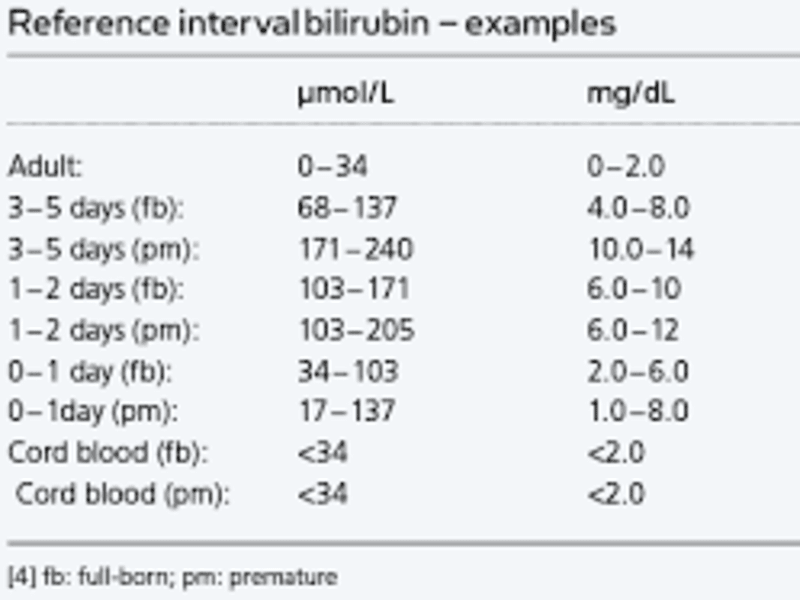
Bilirubin levels help assess liver health. This guide explains normal bilirubin values, types, causes of abnormal levels, symptoms, and when to seek medical advice.
April 11, 2026

Learn how to properly clean and care for your new ear piercing to ensure it heals beautifully and avoid infection. Follow our step-by-step guide for optimal results.
April 1, 2026