

Emergency & Help
24/7 Emergency & General Advisory
🚨 24/7 Medical Emergency
Non-Emergency Advisory
10:00 AM – 6:00 PM, Mon–Sat
For appointments & general queries.
24/7 Emergency & General Advisory
🚨 24/7 Medical Emergency
Non-Emergency Advisory
10:00 AM – 6:00 PM, Mon–Sat
For appointments & general queries.
Stay updated with our latest healthcare news and your appointments.
Discover why using Q-tips in your ears is a common but dangerous habit. Learn about the risks of ear injury, impaction, and infection, and find safe, effective alternatives for ear care.

Many of us have a Q-tip, or cotton swab, stashed away in our bathroom cabinet. It feels like a natural extension of personal hygiene, a quick fix for that tickle or fullness in our ears. In fact, one survey revealed that a staggering 68 percent of people admit to using cotton swabs to clean their ears. It’s a common habit, almost a ritual, passed down through generations. But what if that seemingly innocent tool is actually causing more harm than good? This article explores why you should stop inserting Q-tips into your ear canal and offers safe, effective alternatives for ear care.
Before we dive into the dangers of Q-tips, let's appreciate the marvel that is your ear. Your ears are remarkably self-sufficient. They have a natural cleaning mechanism that works constantly to keep them healthy. Earwax, or cerumen, isn't just some messy byproduct; it plays a vital role. It acts as a natural lubricant, preventing your ear canal from becoming too dry. More importantly, earwax traps dust, debris, and tiny foreign particles, preventing them from reaching deeper into your ear. It even has antibacterial properties, forming a protective barrier against harmful bacteria.
Over time, this earwax, along with the trapped debris, naturally migrates outwards towards the opening of your ear. Once exposed, it typically dries and flakes off or can be easily wiped away with a soft cloth when you wash your face. For most people, this process is entirely sufficient, and manual cleaning inside the ear canal is unnecessary.
Despite your ears' natural cleaning abilities, the urge to “clean” them with a Q-tip persists. However, inserting a cotton swab deep into your ear canal can lead to several significant problems:
Perhaps the most common consequence of using Q-tips is that they don't remove earwax; they push it further in. Instead of clearing the wax, you’re compacting it against your eardrum or deeper within the canal. This blockage, known as impacted earwax, prevents the natural migration of wax outwards and can lead to a range of uncomfortable symptoms:
Imagine trying to clear a drain by pushing the clog further down the pipe. That’s essentially what happens when you use a Q-tip inside your ear canal.
The ear canal and eardrum are delicate structures. Inserting a Q-tip, especially with force or when you can’t see what you’re doing, can easily cause injury. A study analysing ear injuries in children found that about 73 percent of injuries linked to cotton swabs were specifically from attempts to clean the ears. Another review of 80 cases of ruptured eardrums identified penetrating injuries as the cause in 44 percent of the instances. While blunt trauma can also cause a ruptured eardrum, inserting a Q-tip is a direct way to cause such damage.
A ruptured eardrum can result from poking too deeply or too forcefully with a Q-tip. This injury can lead to severe pain, hearing loss, and an increased risk of infection. In some unfortunate cases, part of the cotton swab itself can break off and remain lodged in the ear, causing further irritation or obstruction.
Earwax, as we’ve established, is protective. It traps bacteria. When you use a Q-tip, you can disrupt this natural barrier. Not only might you push earwax and trapped bacteria deeper into the ear canal, but you can also introduce new bacteria from the swab itself. This disruption can compromise the ear’s natural defenses, making it more susceptible to infections like otitis externa (swimmer's ear).
Ramesh, a 55-year-old accountant, noticed his left ear felt persistently blocked. He couldn't hear his phone calls clearly, and there was a dull ache. He’d been using Q-tips daily for years, thinking he was keeping his ears clean. He even tried pushing a bit harder, convinced there was a stubborn blockage. This only made the feeling of fullness worse and introduced a faint ringing.
If you’ve used Q-tips in your ears and are now experiencing pain, a feeling of fullness, or muffled hearing, it’s important to address it. If you experience a sudden, sharp pain accompanied by symptoms like hearing loss or ringing, it’s advisable to seek medical attention promptly, as this could indicate an injury.
So, if Q-tips are out, what are the safe ways to manage your ears?
The safest approach is to stick to cleaning the external parts of your ear. Use a soft, damp cloth to gently wipe the outer ear and the area behind your ear after showering or washing your face. This is usually all that's needed.
If you feel your ears are significantly blocked with wax and it's affecting your hearing or causing discomfort, the best course of action is to consult a healthcare professional. Doctors, nurses, or audiologists can safely remove impacted earwax using specialized tools, suction, or irrigation techniques. They have the training and equipment to do this without causing harm.
For mild earwax buildup, some people opt for at-home remedies. These should be used with caution and are not suitable for everyone (see contraindications below). The process generally involves:
Important Contraindications: Do NOT use these methods if you have ear tubes, suspect you have an ear infection, have a perforated eardrum, or have had ear surgery. If you are unsure, always consult your doctor first.
While ears are often self-cleaning, there are times when professional medical advice is necessary. You should see a doctor if you experience any of the following:
Earwax itself is beneficial. However, excessive buildup (impaction) can cause discomfort, hearing loss, and increase the risk of infection. It's the impaction, not the wax itself, that poses a problem.
For most people, cleaning the outer ear with a cloth is sufficient. Internal cleaning is usually only needed if you experience symptoms of earwax buildup, and even then, professional cleaning is often the safest option.
Over-the-counter earwax softening drops are generally safe for most people when used as directed. However, they are not suitable for individuals with ear tubes, perforated eardrums, or active ear infections. Always read the product instructions carefully and consult your doctor if you have any doubts.
If you suspect a piece of a cotton swab is stuck in your ear, do not try to remove it yourself with other objects, as this can push it further in or cause injury. Seek medical attention from a doctor or an ENT specialist immediately.
Visit Hospital
Near You
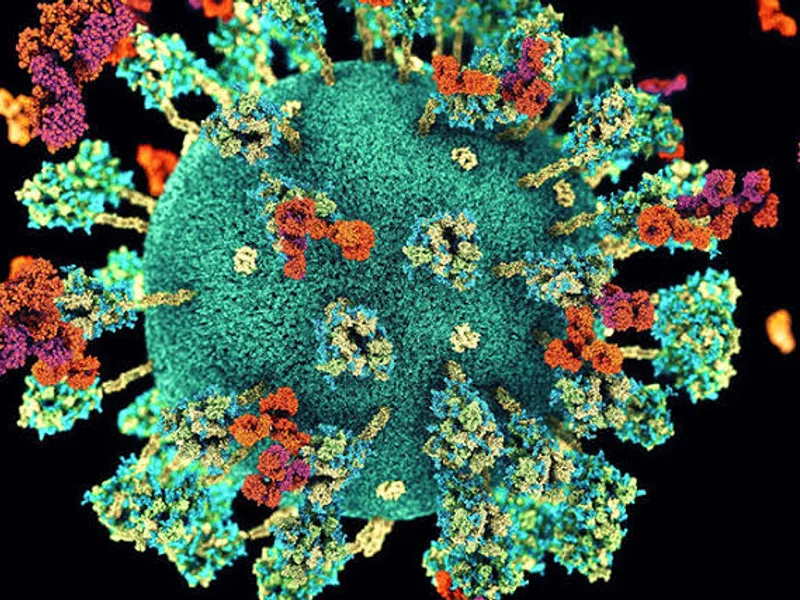
For years, long COVID had no proven treatment — only symptom management. That changed in July 2026, when UCL researchers published trial results showing a structured cognitive rehabilitation program produced lasting improvement in long COVID brain fog. This piece explains what the trial found, how i
July 23, 2026

Bilirubin levels help assess liver health. This guide explains normal bilirubin values, types, causes of abnormal levels, symptoms, and when to seek medical advice.
April 11, 2026

Learn how to properly clean and care for your new ear piercing to ensure it heals beautifully and avoid infection. Follow our step-by-step guide for optimal results.
April 1, 2026