

Emergency & Help
24/7 Emergency & General Advisory
🚨 24/7 Medical Emergency
Non-Emergency Advisory
10:00 AM – 6:00 PM, Mon–Sat
For appointments & general queries.
24/7 Emergency & General Advisory
🚨 24/7 Medical Emergency
Non-Emergency Advisory
10:00 AM – 6:00 PM, Mon–Sat
For appointments & general queries.
Stay updated with our latest healthcare news and your appointments.
Learn how to soothe sunburn, speed up healing, and prevent further damage with practical tips for Indian readers. Discover remedies for pain, redness, and peeling.

A day out in the sun can quickly turn into a painful experience if you forget to protect your skin. Sunburn, a common consequence of overexposure to ultraviolet (UV) radiation, can range from a mild redness to severe blistering and discomfort. While there's no magic bullet to instantly heal a sunburn, you can take several steps to support your body's natural healing process and alleviate the symptoms. This guide provides practical advice for Indian readers on how to manage sunburn effectively, reduce pain, and promote faster recovery.
Sunburn occurs when your skin is exposed to too much UV radiation, primarily from the sun. This radiation damages the DNA in your skin cells, triggering an inflammatory response. Your body sends more blood to the affected area, causing the characteristic redness and warmth. In more severe cases, this damage can lead to blistering, peeling, and significant pain.
The severity of a sunburn depends on several factors, including your skin type, the intensity and duration of sun exposure, and whether you used sun protection. People with fairer skin are generally more susceptible to sunburn. While most sunburns are temporary and heal within a few days to a week, repeated exposure increases the risk of premature skin aging and skin cancer.
The healing timeline for sunburn varies. A mild sunburn, which typically causes redness and some discomfort, might clear up in 3 to 5 days. During this time, you might notice your skin starting to peel as it sheds the damaged outer layer. A more severe sunburn, especially one with blistering, can take up to two weeks to heal completely. The extent of skin damage directly influences how long your body needs to repair itself.
Factors influencing healing speed include:
It's important to remember that while you can't magically speed up skin regeneration, you can certainly create the optimal conditions for healing and minimize discomfort.
When the sun's rays have been too intense, here's what you can do to help your skin recover:
The first step is to reduce the heat and inflammation. A cool bath or shower can be very soothing. Avoid using harsh soaps, as they can further irritate your skin. Instead of rubbing yourself dry, gently pat your skin with a soft towel, leaving a little moisture behind. This helps to retain hydration before you apply any soothing lotions.
Once your skin is slightly damp after a cool bath, apply a gentle, fragrance-free moisturizer. Look for ingredients like aloe vera, which has natural anti-inflammatory and cooling properties. Aloe vera gel can effectively moisturize your skin and help prevent excessive peeling. Other good options include lotions containing ceramides or hyaluronic acid to help restore the skin barrier.
Sunburn draws moisture away from your body. Drinking plenty of fluids, especially water, is essential to rehydrate your skin and support overall healing. Consider adding electrolyte-rich drinks if you've been sweating a lot or feel particularly dehydrated. Proper hydration helps your body function optimally, including its repair mechanisms.
Over-the-counter medications can help manage discomfort. Taking a nonsteroidal anti-inflammatory drug (NSAID) like ibuprofen or naproxen soon after you notice the sunburn can help reduce swelling, redness, and pain. Always follow the dosage instructions on the packaging and consult a doctor or pharmacist if you have any underlying health conditions or are taking other medications.
For persistent itchiness and swelling, a 1% hydrocortisone cream available over the counter can provide relief. Apply a thin layer to the affected areas. If the burn is severe or the itch is unbearable, your doctor might prescribe a stronger corticosteroid ointment.
Your body heals best when you are well-rested. Sleep is a critical time for cellular repair and immune function. When you're sleep-deprived, your body's ability to manage inflammation and heal itself can be compromised. Aim for 7-9 hours of quality sleep each night while you recover.
This might seem obvious, but it's vital. Exposing your already damaged skin to more UV rays will only worsen the burn and hinder healing. If you must go outdoors, cover the sunburned areas completely with protective clothing. Wear loose-fitting garments made of tightly woven fabrics. Always apply a broad-spectrum sunscreen with SPF 30 or higher to any exposed skin.
Colloidal oatmeal, finely ground oats, can be added to a cool bath. It has soothing properties that can help calm irritated skin and reduce itchiness. Mix a cup of colloidal oatmeal or finely ground regular oats with a few tablespoons of baking soda in your bathwater.
A cold compress, made by wrapping ice or a cold pack in a thin cloth, can offer temporary relief. Apply it to the skin surrounding the sunburned area for short intervals, not directly on the burned skin, to help draw away excess heat and reduce inflammation. Be cautious not to make it too cold, as this could cause further damage.
During the healing process, certain actions can impede recovery or worsen your discomfort:
While most sunburns can be managed at home, seek medical attention if you experience any of the following:
A doctor can assess the severity of your burn, prescribe stronger medications if needed, and provide guidance on wound care to prevent complications.
The most effective way to deal with sunburn is to prevent it from happening in the first place. Remember these tips:
No. Avoid applying butter, toothpaste, or other home remedies not specifically designed for burns. These can trap heat, increase the risk of infection, and irritate the skin further.
Aloe vera doesn't 'heal' sunburn instantly, but its anti-inflammatory and moisturizing properties can significantly soothe the skin, reduce redness, and prevent excessive dryness and peeling, making the healing process more comfortable and potentially appearing faster.
It's best to avoid makeup on sunburned skin, especially if it's blistering or peeling. Makeup can clog pores, irritate the skin, and potentially delay healing. If you must use makeup, opt for mineral-based, non-comedogenic products and apply them gently.
Visit Hospital
Near You
For years, long COVID had no proven treatment — only symptom management. That changed in July 2026, when UCL researchers published trial results showing a structured cognitive rehabilitation program produced lasting improvement in long COVID brain fog. This piece explains what the trial found, how i
July 23, 2026
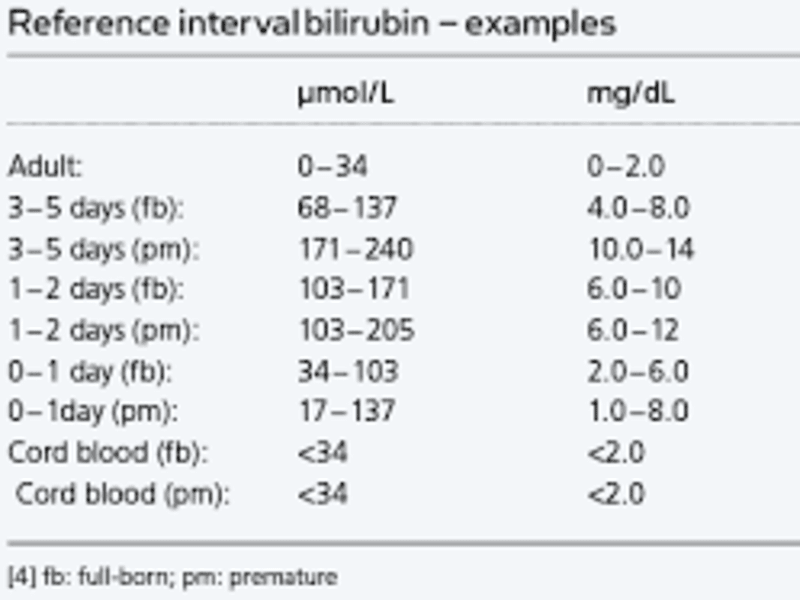
Bilirubin levels help assess liver health. This guide explains normal bilirubin values, types, causes of abnormal levels, symptoms, and when to seek medical advice.
April 11, 2026

Learn how to properly clean and care for your new ear piercing to ensure it heals beautifully and avoid infection. Follow our step-by-step guide for optimal results.
April 1, 2026