

Emergency & Help
24/7 Emergency & General Advisory
🚨 24/7 Medical Emergency
Non-Emergency Advisory
10:00 AM – 6:00 PM, Mon–Sat
For appointments & general queries.
24/7 Emergency & General Advisory
🚨 24/7 Medical Emergency
Non-Emergency Advisory
10:00 AM – 6:00 PM, Mon–Sat
For appointments & general queries.
Stay updated with our latest healthcare news and your appointments.
Discover why Neosporin isn't the best choice for your new tattoo and learn about safer, effective alternatives for proper healing and vibrant ink.

Getting a new tattoo is an exciting experience, but the journey doesn't end when the needle stops. The aftercare you provide for your fresh ink is just as vital as choosing a skilled tattoo artist. Your new tattoo is essentially an open wound, and it needs careful attention to heal properly, maintain its vibrancy, and prevent complications. Many people reach for common first-aid products like Neosporin when they think about wound care, but when it comes to tattoos, this popular antibiotic ointment can actually do more harm than good.
Neosporin is a triple antibiotic ointment, meaning it contains three active ingredients: bacitracin, neomycin, and polymyxin B. Its primary purpose is to prevent infection in minor cuts, scrapes, and burns. It works by creating a protective barrier and fighting off bacteria. While this sounds beneficial for a fresh tattoo, which is indeed an open wound, the way Neosporin functions can actually hinder the healing process and even lead to adverse effects.
One of the main issues with Neosporin and similar ointments is that they create a occlusive barrier. This means they trap moisture against the skin and prevent air from reaching the wound. While this can be helpful for certain types of dry skin conditions, it's detrimental for a healing tattoo. Your skin needs to breathe and have access to oxygen to repair itself effectively. When you cover a new tattoo with Neosporin, you're essentially suffocating it, which can:
Neosporin is not suitable for everyone. Some individuals can experience allergic reactions to its ingredients, particularly neomycin. Symptoms of an allergic reaction can include:
These reactions not only make the healing process incredibly uncomfortable but can also damage the fresh tattoo, leading to scarring and permanent ink loss. If you have a history of sensitive skin or allergies, it's especially important to avoid potential irritants like Neosporin.
Another, albeit less common, concern with using antibiotic ointments frequently is the potential for developing antibiotic resistance. If you've used antibiotics extensively in the past, your body might be less responsive to them. Relying on Neosporin for tattoo aftercare could, in rare cases, increase your risk of infection if your body doesn't effectively combat the bacteria.
The goal of tattoo aftercare is to keep the area clean, moisturized, and protected without suffocating the skin. Your tattoo artist is your best resource for specific instructions, but here's a general guideline for what works:
Immediately after getting your tattoo, your artist will likely clean it and apply a protective bandage. Follow their instructions on how long to keep this initial bandage on – typically a few hours. Once removed, it's time for gentle cleaning.
Repeat this cleaning process 2-3 times a day, or as recommended by your artist.
After cleaning and drying, it's time to apply a thin layer of moisturizer. This helps prevent excessive dryness and scabbing, which can affect the tattoo's appearance.
A common scenario: Sarah just got her first tattoo and is overwhelmed by all the aftercare advice. Her friend suggests using Neosporin because it's 'good for cuts.' Sarah applies it liberally, only to notice redness and excessive itching a day later, worrying about her new ink.
Once the tattoo has started to heal and is no longer weeping or excessively sensitive (usually after a few days to a week), you'll need to protect it from the sun and potential friction.
As a general rule, never use Neosporin or any triple antibiotic ointment on a fresh, healing tattoo. The risks far outweigh any potential benefits. The only time you might consider using it is on an older, fully healed tattoo if you sustain a minor injury to that specific area, like a small scrape. Even then, it's usually best to stick to gentler healing methods unless advised otherwise by a doctor.
Look out for excessive redness spreading beyond the tattooed area, intense itching that's hard to ignore, blistering, or a pus-like discharge. If you notice any of these, stop using the product immediately and consult your tattoo artist or a doctor.
The initial healing phase, where the top layer of skin closes, typically takes 2 to 4 weeks. However, the deeper layers of skin can take up to 6 months or even a year to fully heal. During this entire period, sun protection is important.
Some people find Vitamin E oil helpful for moisturizing a healing tattoo. However, it's best to use products specifically designed for tattoo aftercare or those recommended by your artist. Always test a small area first if you're unsure.
Yes, itching is a very normal part of the tattoo healing process as your skin repairs itself. Avoid scratching, as this can damage the ink and lead to infection. Gently patting the area or applying a thin layer of recommended moisturizer can help soothe the itch.
While most tattoo healing goes smoothly with proper aftercare, seek medical attention if you experience any of the following:
Taking good care of your new tattoo from day one ensures it remains a beautiful piece of art for years to come. By avoiding Neosporin and opting for gentle, breathable aftercare methods, you give your skin the best chance to heal properly.
Visit Hospital
Near You
For years, long COVID had no proven treatment — only symptom management. That changed in July 2026, when UCL researchers published trial results showing a structured cognitive rehabilitation program produced lasting improvement in long COVID brain fog. This piece explains what the trial found, how i
July 23, 2026
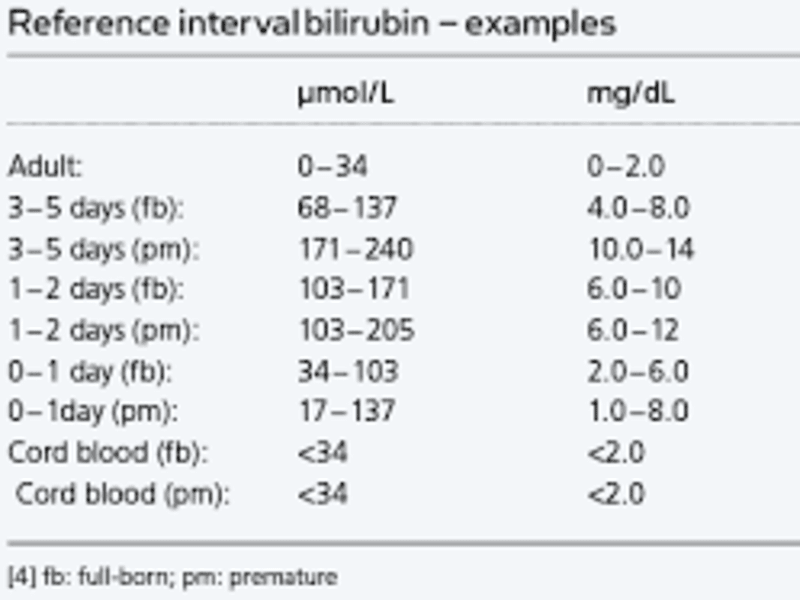
Bilirubin levels help assess liver health. This guide explains normal bilirubin values, types, causes of abnormal levels, symptoms, and when to seek medical advice.
April 11, 2026

Learn how to properly clean and care for your new ear piercing to ensure it heals beautifully and avoid infection. Follow our step-by-step guide for optimal results.
April 1, 2026