

Emergency & Help
24/7 Emergency & General Advisory
🚨 24/7 Medical Emergency
Non-Emergency Advisory
10:00 AM – 6:00 PM, Mon–Sat
For appointments & general queries.
24/7 Emergency & General Advisory
🚨 24/7 Medical Emergency
Non-Emergency Advisory
10:00 AM – 6:00 PM, Mon–Sat
For appointments & general queries.
Stay updated with our latest healthcare news and your appointments.
Learn the simple yet powerful practice of handwashing. Discover why it's your best defence against germs, how to do it effectively, and when it matters most.
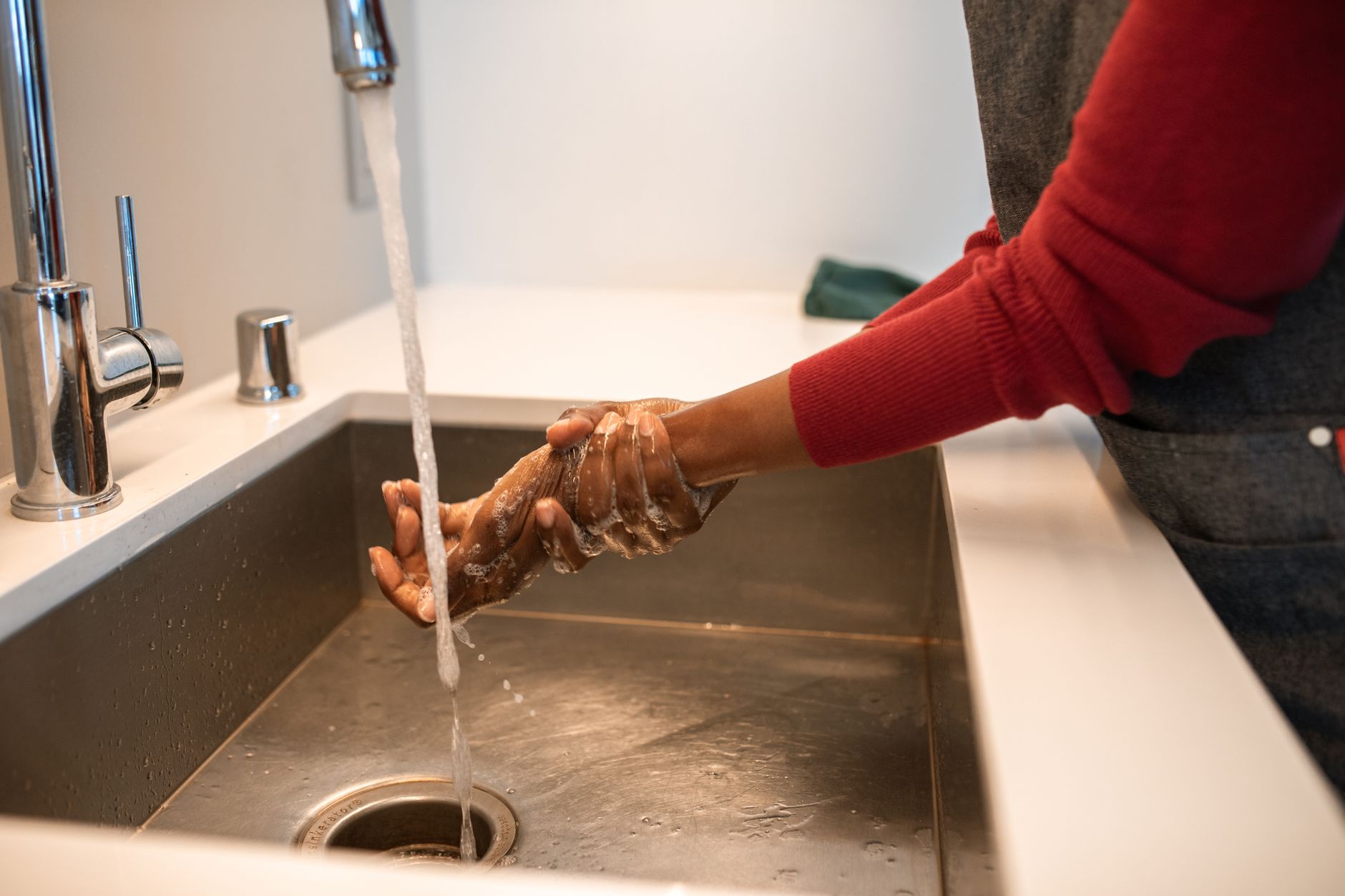
In our busy lives, it's easy to overlook simple habits that have a profound impact on our health. One of the most effective, yet often underestimated, is proper handwashing. Think about it: your hands are your primary tools for interacting with the world. They touch everything – door handles, phones, keyboards, food, and even your own face. This constant contact makes them a prime pathway for germs to enter your body and spread to others. This isn't just about feeling a little under the weather; it's about preventing serious illnesses, especially in a time when we're all more aware of infectious diseases.
Washing your hands with soap and running water is your first line of defence. It’s a simple, accessible, and incredibly powerful way to keep yourself and your loved ones healthy. This guide will walk you through why handwashing is so vital, how to do it effectively, and when it's most important to lather up. Let's make clean hands a habit that protects us all.
Germs – bacteria and viruses – are microscopic, but their impact can be enormous. They lurk on surfaces we touch every day and can easily transfer to our hands. When you then touch your eyes, nose, or mouth with unwashed hands, you create a direct route for these pathogens to infect you. This is how common colds, the flu, and even more serious infections like COVID-19 spread.
Research shows that washing hands with soap and water can significantly reduce the number of germs on your hands. Soap works by breaking down the outer layer of many germs, making them easier to wash away. While antibacterial soaps are available, regular soap and water are generally sufficient for everyday use in most households. The key is the friction and the rinsing action that removes the germs.
Consider this common scenario: You’ve just finished grocery shopping and touched the handles of your cart and the surfaces of various products. Later, you’re unpacking your groceries at home and absentmindedly scratch your nose. If any harmful germs were on those surfaces and transferred to your hands, they now have an easy entry point into your body. A quick handwash before and after shopping could have prevented this potential exposure.
Washing your hands isn't just about a quick splash of water. For maximum effectiveness, follow these simple steps:
Why 20 seconds? This duration ensures that the soap has enough contact time with your skin to effectively break down and remove germs. Rushing the process can leave many pathogens behind.
While it’s good to wash your hands frequently throughout the day, certain times are absolutely critical for preventing the spread of infections. Make it a habit to wash your hands:
During the COVID-19 pandemic, health authorities like the CDC have emphasized thorough and frequent handwashing as a primary measure to curb the virus's spread. Washing hands after being in a public area or touching surfaces frequently handled by others is particularly recommended.
When soap and running water aren't readily available, alcohol-based hand sanitizers are a good alternative. Look for sanitizers that contain at least 60% alcohol. They can quickly reduce the number of germs on your hands. However, it's important to remember that sanitizers are not as effective as washing with soap and water, especially when hands are visibly dirty or greasy.
Important Note: Be aware of recalls on hand sanitizers. The FDA has issued warnings about some products containing methanol, a toxic substance. Always check the ingredients and purchase from reputable sources.
Absolutely! Frequent and proper handwashing is one of the most effective ways to prevent illnesses. It significantly reduces your risk of catching infections like the common cold, flu, and gastrointestinal illnesses caused by bacteria like E. coli and Salmonella. It also plays a vital role in preventing the spread of more serious viruses like the one causing COVID-19. By washing away germs, you break the chain of transmission, protecting yourself and the community.
While handwashing is a powerful preventative measure, it's not a cure for all illnesses. If you experience severe symptoms of illness, such as high fever, difficulty breathing, persistent vomiting, or severe dehydration, it's essential to consult a doctor. If you suspect you have contracted an infection that requires medical attention, don't hesitate to seek professional healthcare advice.
A1: No, the temperature of the water does not significantly impact its ability to kill germs. Both warm and cold water work effectively with soap to remove pathogens.
A2: For most everyday situations at home, regular soap is just as effective as antibacterial soap. Antibacterial soaps might be recommended in specific healthcare settings, but their routine use at home isn't generally necessary.
A3: Aim for at least 20 seconds of scrubbing to ensure all parts of your hands are cleaned thoroughly.
A4: Hand sanitizer is a convenient alternative when soap and water are not available. However, it's not as effective, especially if your hands are visibly dirty or greasy. Washing with soap and water is always preferred when possible.
Visit Hospital
Near You
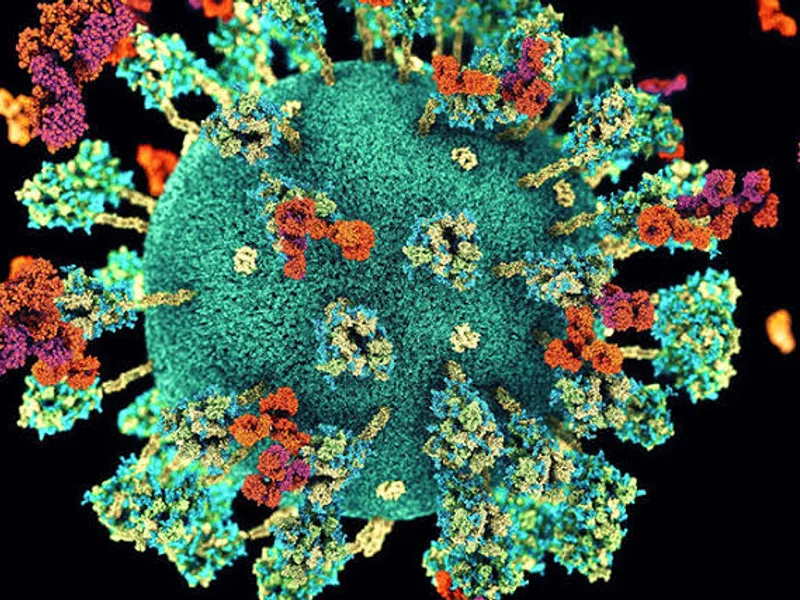
For years, long COVID had no proven treatment — only symptom management. That changed in July 2026, when UCL researchers published trial results showing a structured cognitive rehabilitation program produced lasting improvement in long COVID brain fog. This piece explains what the trial found, how i
July 23, 2026
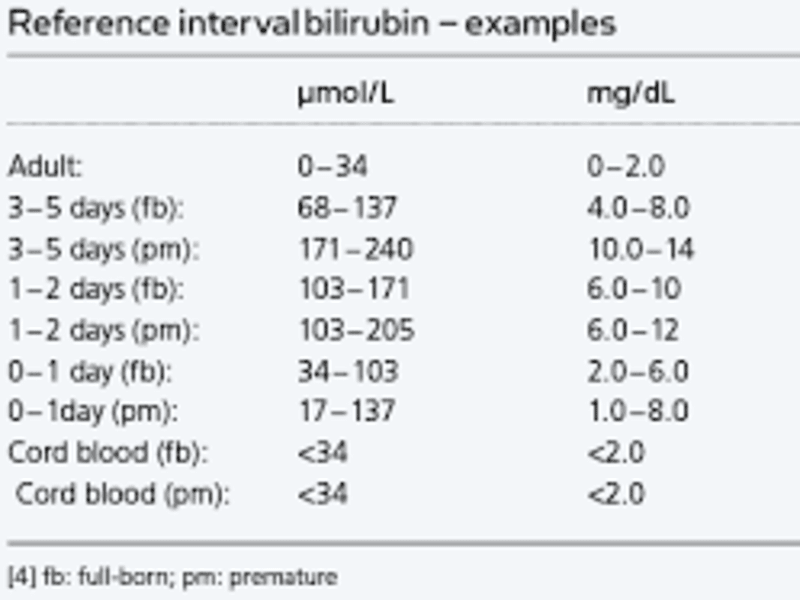
Bilirubin levels help assess liver health. This guide explains normal bilirubin values, types, causes of abnormal levels, symptoms, and when to seek medical advice.
April 11, 2026

Learn how to properly clean and care for your new ear piercing to ensure it heals beautifully and avoid infection. Follow our step-by-step guide for optimal results.
April 1, 2026