

Emergency & Help
24/7 Emergency & General Advisory
🚨 24/7 Medical Emergency
Non-Emergency Advisory
10:00 AM – 6:00 PM, Mon–Sat
For appointments & general queries.
24/7 Emergency & General Advisory
🚨 24/7 Medical Emergency
Non-Emergency Advisory
10:00 AM – 6:00 PM, Mon–Sat
For appointments & general queries.
Stay updated with our latest healthcare news and your appointments.
Discover the pros and cons of washing your face in the shower. Learn about water temperature, skin health, and expert advice to keep your skin glowing and healthy.
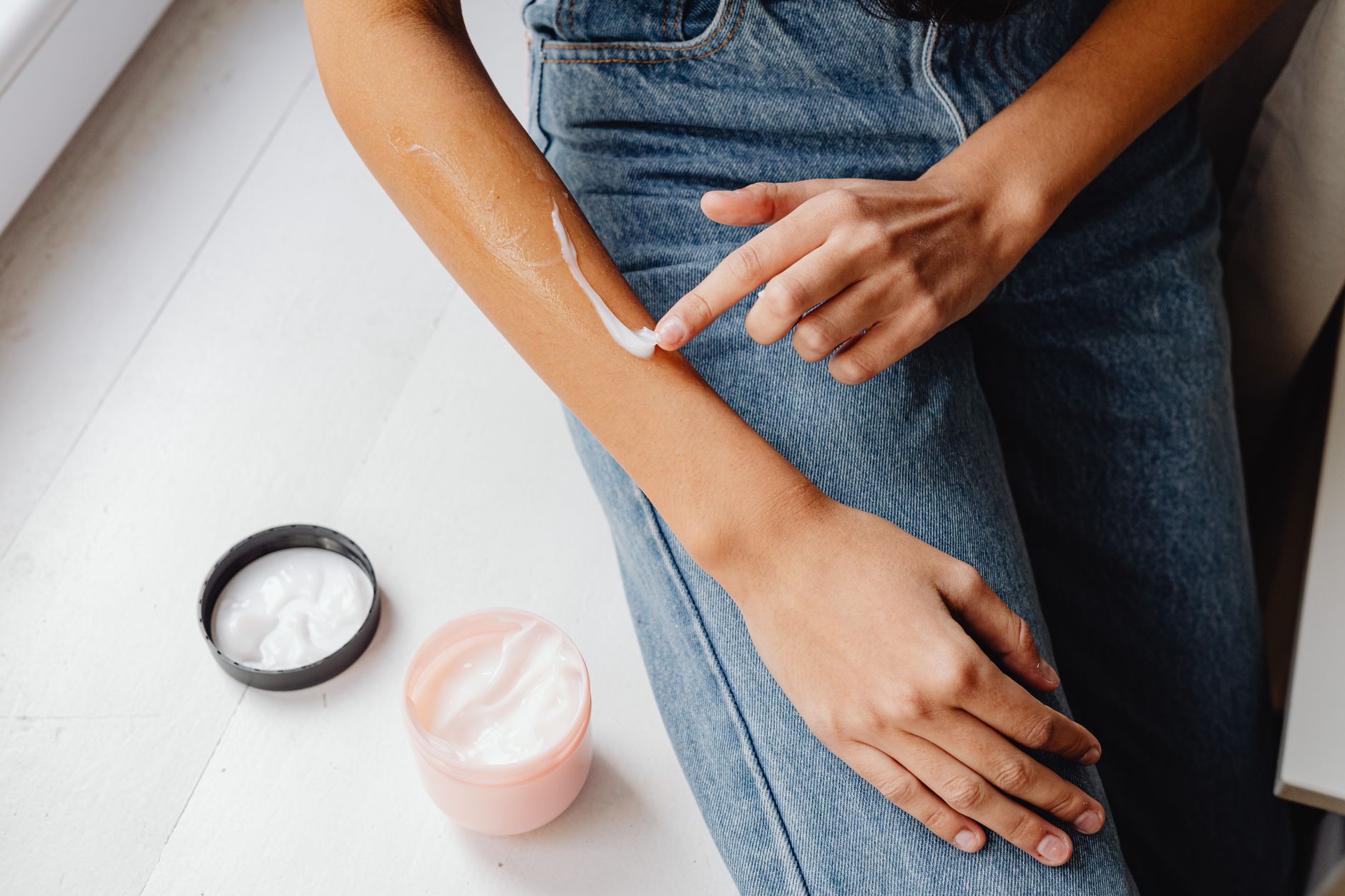
We've all been there. You're in the shower, the steam is rising, and you're enjoying a good singing session. You've washed your hair, scrubbed your body, and then it hits you: should you wash your face here too? It seems so convenient, right? Just one less step to do later. But is this common practice actually good for your skin, or could it be causing more harm than you realise? Let's dive into this steaming hot topic and uncover the truth behind washing your face in the shower.
The shower offers a unique environment for cleansing. The warm, humid air can soften your skin and open up your pores. Many professional facials incorporate steam for this very reason. The idea is that open pores allow for a deeper, more effective cleanse, washing away impurities and built-up grime more thoroughly. For some, it’s a time-saving hack, a way to streamline their morning or evening routine. Why create extra steps when you can combine them?
However, convenience isn't always king when it comes to skincare. There are several concerns that experts raise about washing your face in the shower:
The biggest culprit is often the water temperature. Showers tend to be hotter than the lukewarm water recommended for facial cleansing. Extremely hot water can strip your skin of its natural oils, also known as sebum. These oils are vital for keeping your skin hydrated, protected, and maintaining its healthy barrier function. When these oils are stripped away, your skin can become dry, irritated, and even more prone to breakouts as it tries to compensate by producing even more oil. For individuals with sensitive skin or conditions like rosacea, this can be particularly problematic. The heat and humidity can dilate blood vessels, leading to redness and inflammation.
If you enjoy long, lingering showers, you're not just exposing your skin to heat; you're exposing it for an extended period. This prolonged contact with hot water can exacerbate the drying and irritating effects, making it more damaging than a quick splash of warm water at the sink.
Some theories suggest that bathrooms, especially steamy ones, can harbour airborne bacteria. Washing your face in this environment, some believe, could expose your skin to these microbes, potentially leading to breakouts or infections. While experts largely dismiss this as a major concern for most people, it's a point of discussion.
So, what do the skincare professionals say? The truth is, it's not a black and white issue. Some experts acknowledge that washing your face in the shower can be beneficial, especially if it means you're cleansing your face at all. If the steam helps to soften pore contents and makes your cleanse more effective, that's a plus.
However, they universally stress the importance of water temperature. Moderation is key. Using water that is too hot, even for a short period, isn't ideal for daily cleansing. If you do choose to wash your face in the shower, here are some expert-backed tips:
One facialist points out that in the shower, people often just splash off cleanser, rather than using a washcloth or their hands to gently remove it, which can be less effective for some.
Can washing your face in the shower cause acne? Experts generally agree that there's no direct evidence linking shower face washing to acne. The causes of acne are multifaceted, involving hormones, stress, diet, genetics, and improper skincare. While hot water can irritate the skin and potentially worsen existing conditions, it's not typically the root cause of acne itself. However, as mentioned, if you suffer from rosacea, the heat and steam could trigger flare-ups.
If you have hardy skin, you don't mind turning down the water temperature, and you keep the cleansing time brief, washing your face in the shower might be perfectly fine for you. The steam can help soften debris in your pores, making for a more effective cleanse. The key is to be mindful of the water temperature and duration. If you're someone who struggles with dry skin, redness, or irritation, it's probably best to stick to washing your face at the sink with lukewarm water.
Regardless of where you wash your face, the principles of good facial hygiene remain the same:
If you're unsure about your skin's reaction, listen to your skin. If you notice increased dryness, redness, or breakouts after washing your face in the shower, it's a clear sign to change your routine.
While washing your face in the shower is unlikely to cause serious medical issues, you should consult a dermatologist if you experience persistent skin problems like:
A dermatologist can help diagnose the underlying cause of your skin concerns and recommend the most effective treatment plan for your specific needs.
Washing your face in a hot shower regularly can lead to temporary issues like dryness, irritation, and a compromised skin barrier. While it's unlikely to cause permanent damage for most people, consistently exposing your skin to extreme heat can potentially worsen underlying conditions and accelerate signs of aging over a long period. It's always best to use lukewarm or cool water for facial cleansing.
Shower water itself doesn't typically clog pores. Clogged pores are usually caused by a buildup of oil, dead skin cells, bacteria, and product residue. However, if you're using harsh cleansers in hot water, you might strip your skin's natural oils, leading to overproduction of sebum, which can then contribute to clogged pores. Also, leftover hair conditioner or soap residue on your face can contribute to pore blockages.
This is largely a matter of personal preference and what works best for your skin. If you're concerned about the hot water or steam, washing your face before or after your shower at the sink with lukewarm water is a safer bet. If you choose to wash in the shower, be mindful of the water temperature and duration. Some people prefer to wash their face after showering to ensure all shampoo and conditioner residue is rinsed away and their skin is clean before applying skincare products.
Even with oily skin, using excessively hot water in the shower can strip your skin's natural oils, potentially leading to a rebound effect where your skin produces even more oil to compensate. While the steam might help loosen grime, it's still advisable to use warm, not hot, water and a cleanser appropriate for oily skin. Some people with oily skin find that washing their face after the shower, when the skin is clean and pores are open, works well.
Visit Hospital
Near You

For years, long COVID had no proven treatment — only symptom management. That changed in July 2026, when UCL researchers published trial results showing a structured cognitive rehabilitation program produced lasting improvement in long COVID brain fog. This piece explains what the trial found, how i
July 23, 2026

Bilirubin levels help assess liver health. This guide explains normal bilirubin values, types, causes of abnormal levels, symptoms, and when to seek medical advice.
April 11, 2026

Learn how to properly clean and care for your new ear piercing to ensure it heals beautifully and avoid infection. Follow our step-by-step guide for optimal results.
April 1, 2026