Keeping an eye on your child's health is a top priority for any parent. One of the simplest and most common ways to check if something is amiss is by taking their temperature. While there are several methods, understanding how to accurately measure underarm (axillary) temperature offers a safe and accessible option, especially for younger children. This guide will walk you through the process, explain what the readings mean, and help you decide when to seek professional medical advice.
What is Normal Body Temperature?
Before diving into how to measure temperature, let's clarify what's considered normal. The classic figure of 98.6°F (37°C) is an average. Your child's usual temperature might be a little higher or lower, and that's perfectly fine. What's more important than a specific number is noticing a significant change from their baseline. This variability is normal, and factors like activity level, time of day, and even what they've eaten can influence it slightly.
Why Choose Underarm Temperature Measurement?
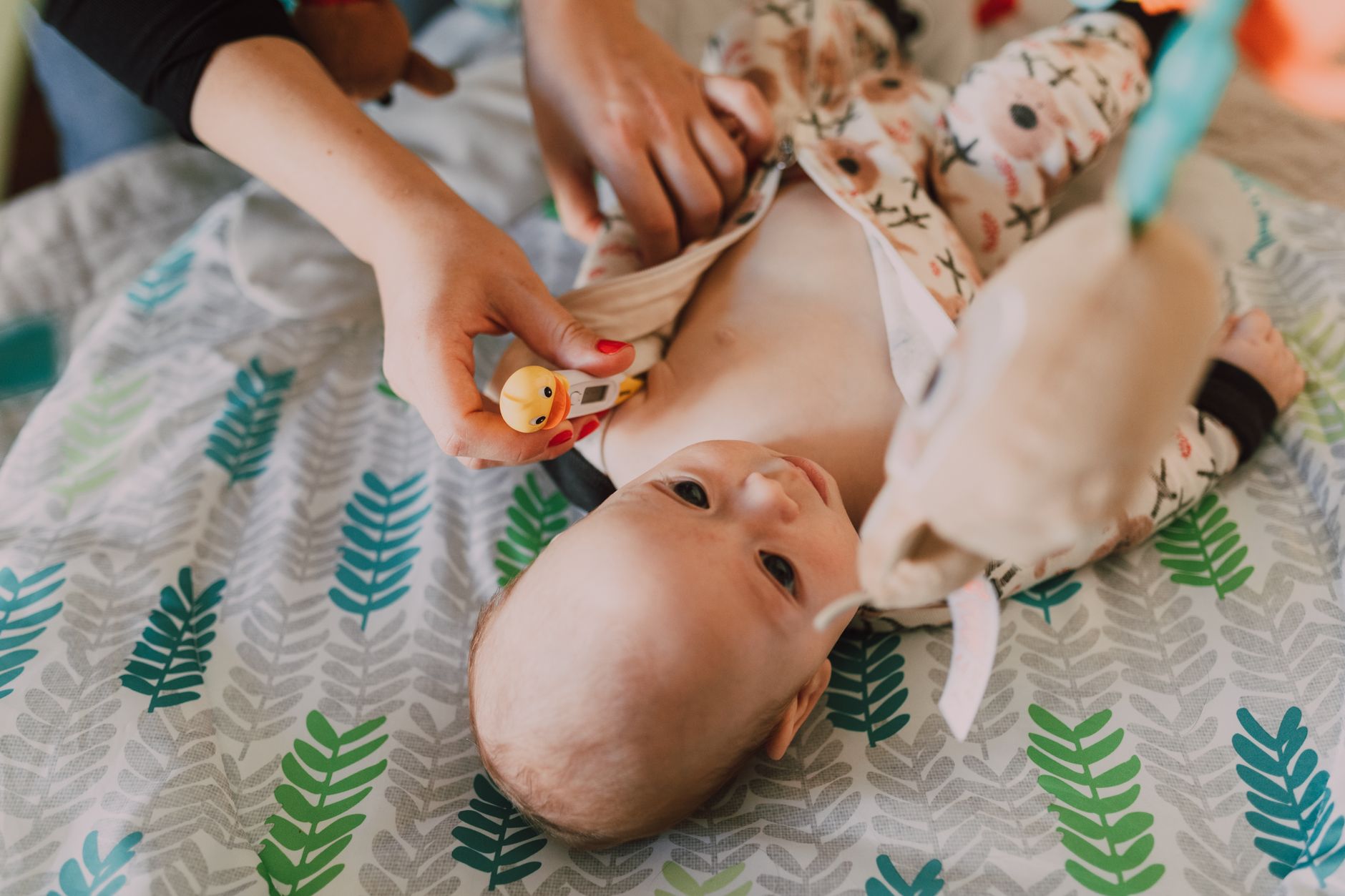
For infants under 3 months old, taking an underarm temperature is considered the safest method. It's also a go-to for parents of children up to 5 years old because it's non-invasive and relatively easy to perform. Unlike rectal or ear measurements, it doesn't require inserting anything into sensitive areas, making it less distressing for little ones. While it might not be as precise as other methods, it's an excellent screening tool to identify potential fevers.
How to Measure Underarm Temperature Accurately
Using a digital thermometer is recommended for underarm readings. Avoid mercury thermometers, as they can be hazardous if they break. Here's a step-by-step approach:
- Prepare the Thermometer: Ensure the thermometer is clean. You can wipe it with rubbing alcohol or soap and water, then rinse and dry it.
- Position the Child: Have your child lift one arm.
- Place the Thermometer: Gently slide the thermometer under the armpit. The tip of the thermometer should rest against the skin in the center of the armpit.
- Secure the Thermometer: Have your child bring their arm down, holding it close to their body. This keeps the thermometer snugly in place and ensures good contact with the skin.
- Wait for the Reading: Keep the thermometer in place for about a minute, or until it beeps, indicating it has registered the temperature.
- Read and Record: Carefully remove the thermometer and note the reading.
- Clean Up: After use, clean the thermometer again for future use.
It's essential to keep the child still during the measurement to get the most accurate result. A wiggly toddler can make this step challenging, but holding their arm down firmly but gently is key.
Understanding Your Readings: What's Normal and What's Not?
Underarm temperatures are generally about 0.5°F to 1°F (0.3°C to 0.6°C) lower than oral or rectal temperatures. A reading above 99°F (37°C) under the arm might indicate a fever, but it's wise to confirm this with a more accurate method, especially for very young children.
Consider this scenario: Your 2-year-old, Maya, seems a bit warm and clingy. You take her underarm temperature, and it reads 99.5°F (37.5°C). While this is higher than her usual, it doesn't automatically mean she has a significant fever. It's a signal to investigate further.
Comparing Underarm to Other Methods
To get a more precise temperature, especially if the underarm reading is concerning, consider using other methods:
- Rectal Temperature: This is considered the gold standard for accuracy in infants and young children. For children under 6 months, insert the lubricated thermometer about 1/2 inch into the rectum. For older children, aim for about 1 inch. Hold the thermometer in place until it beeps.
- Oral Temperature: This method is suitable for older children who can hold a thermometer under their tongue. Wait at least 30 minutes after they've eaten or drunk anything hot or cold before taking an oral reading.
- Ear (Tympanic) Temperature: These thermometers can be used for children over 6 months old. Gently pull the earlobe up and back to straighten the ear canal, then insert the thermometer as directed by the manufacturer.
If your child's underarm temperature is 99°F (37°C) or higher, and you're concerned, using a rectal thermometer will provide a more definitive answer.
When to Be Concerned and Consult a Doctor
Fever is often the body's way of fighting off an infection. However, certain temperature readings and accompanying symptoms warrant a call to your pediatrician:
- For infants under 3 months: Any rectal temperature of 100.4°F (38°C) or higher requires immediate medical attention.
- For children 3 to 6 months: A rectal temperature of 102°F (38.9°C) or higher, or any fever accompanied by unusual irritability, lethargy, or other concerning symptoms.
- For children older than 6 months: A persistent fever (lasting more than a few days), a very high fever (103°F/39.4°C or higher), or a fever accompanied by severe symptoms like difficulty breathing, stiff neck, severe headache, rash, or dehydration.
Always trust your parental instincts. If you feel something is seriously wrong, don't hesitate to seek medical advice.
Preventing Overheating and Dehydration
When your child has a fever, keeping them comfortable and hydrated is key. Encourage them to drink plenty of fluids like water, milk, or oral rehydration solutions. Dress them in light clothing and ensure the room is at a comfortable temperature. Avoid bundling them up excessively, as this can prevent their body from cooling down.
Frequently Asked Questions (FAQ)
Can I use a regular thermometer for underarm temperature?
Yes, a digital thermometer is suitable. Just ensure it's clean and that you follow the steps for proper placement and measurement.
How often should I check my child's temperature?
Check your child's temperature if they seem unwell, are behaving unusually, or if you suspect they might have a fever. Frequent, unnecessary checks can sometimes cause more anxiety.
What if my child won't stay still for the temperature reading?
This is common with young children. Try to distract them with a toy or a song. If they are very restless, a quick rectal temperature might be more accurate and faster.
Monitoring your child's temperature is a vital part of ensuring their well-being. By understanding the nuances of underarm temperature measurement and knowing when to seek professional help, you can confidently care for your child.