

Emergency & Help
24/7 Emergency & General Advisory
🚨 24/7 Medical Emergency
Non-Emergency Advisory
10:00 AM – 6:00 PM, Mon–Sat
For appointments & general queries.
24/7 Emergency & General Advisory
🚨 24/7 Medical Emergency
Non-Emergency Advisory
10:00 AM – 6:00 PM, Mon–Sat
For appointments & general queries.
Stay updated with our latest healthcare news and your appointments.
Discover the best wrist supports for common issues like carpal tunnel, sprains, arthritis, and fractures. Learn how to choose the right support for pain relief and better wrist health.

Our wrists are the unsung heroes of our daily lives. Think about it: they catch us when we stumble, enable us to type away at our computers, help us lift groceries, and power us through countless pushes and pulls. These incredible joints work tirelessly. But sometimes, all this repetitive action takes its toll, leading to a host of wrist issues. That's where wrist supports come in! These aren't just simple accessories; they are invaluable tools designed to bring relief, stability, and promote healing. From braces and sleeves to splints, wrist supports play a vital role in compressing the wrist and ensuring it stays in a healthy, ergonomic position.
Dr. Angelica Balingit, an internal medicine specialist, explains that wrist supports provide essential stability to the delicate bones, ligaments, tendons, and muscles of the wrist joint. Their benefits are far-reaching: they can significantly alleviate pain, reduce inflammation, help prevent further injury, and actively promote the healing process. For many common wrist conditions, a well-chosen wrist support can be the difference between persistent discomfort and regaining comfortable, functional use of your hand and wrist.
Let's explore some of the most frequent wrist problems and the types of supports that can offer the most relief, drawing on expert advice and user feedback.
Carpal tunnel syndrome is a widespread condition where a nerve gets compressed within the narrow carpal tunnel of the wrist. This compression leads to uncomfortable symptoms like pain, tingling, and numbness, often affecting the index, middle, and ring fingers. While injuries can trigger it, the most common culprit is repetitive hand and wrist motions, such as those experienced during prolonged typing. The key to managing carpal tunnel syndrome with a support is to maintain the wrist in a neutral, relaxed position. This prevents the nerve from being further irritated.
Our Top Pick for Carpal Tunnel Syndrome: The OTC Wrist Splint stands out. Crafted from breathable neoprene, this splint is designed to hold your wrist perfectly neutral. It features two removable metal splints – one along the palm and another on the back of the hand – offering a customizable level of support and flexibility. It's incredibly easy to put on and take off, even with just one hand, and it’s available in a wide range of sizes, from extra-small to extra-large, ensuring a snug and effective fit for almost everyone.
A wrist sprain occurs when the ligaments that connect the bones in your wrist are stretched or torn, often due to a sudden twist or fall. These injuries can be quite painful and limit your ability to use your hand. Effective treatment involves immobilizing the wrist to allow the damaged ligaments to heal properly and to prevent further injury during the recovery phase.
Our Top Pick for Sprained Wrists: The BraceAbility Thumb and Wrist Spica Splint is an excellent choice. This specialized splint works by immobilizing both your thumb and wrist in a natural, anatomical position. This immobilization is crucial for recovery and helps prevent accidental re-injury. A significant advantage of this splint is its availability in versions for both the right and left hand, and it comes in sizes ranging from extra-small to large, ensuring a tailored fit for optimal support.
Arthritis in the wrist often involves inflammation and pain in the joint, making even simple movements difficult. Tendonitis, on the other hand, is inflammation of the tendons, which can also cause significant pain and stiffness. For both these conditions, gentle compression and support can work wonders. Compression helps to reduce swelling and provides a comforting sense of stability, easing the discomfort associated with these inflammatory conditions.
Our Top Pick for Arthritis or Tendonitis: The IMAK Smart Glove for Compression Therapy is a fantastic option. This glove-like support provides targeted compression therapy to the entire hand and wrist. It's designed to be comfortable for extended wear, offering relief from the aches and stiffness associated with arthritis and tendonitis. Its soft, breathable material makes it a pleasure to wear, even throughout the day.
A wrist fracture means one or more of the bones in your wrist joint has broken, typically resulting from a fall. This is a more serious injury requiring significant care and immobilization. Healing a fracture demands consistent support to keep the broken bones aligned and stable, allowing them to mend correctly. This often means wearing a splint for an extended period.
Our Top Pick for Fracture Support: The MedSpec Boxer Splint Wrist Support is engineered for serious support. Designed to provide rigid immobilization, this splint is ideal for managing wrist fractures. It ensures the wrist remains in a stable, protected position, which is absolutely critical for proper bone healing. Its robust construction offers the necessary security during the recovery process.
For athletes, particularly weightlifters, the wrists endure immense stress. Overuse and heavy lifting can lead to strain and potential injury. During intense physical activity, targeted support can help prevent excessive wrist movement, reduce the risk of sprains or strains, and provide the confidence needed to perform at your best.
Our Top Pick for Weightlifting: The HiRui Wrist Compression Strap is a popular and effective choice. These straps are designed to provide firm, adjustable compression directly to the wrist. They help stabilize the joint during heavy lifting and other strenuous activities, offering support without being overly bulky. The adjustability allows users to customize the level of tightness for optimal comfort and performance.
When selecting a wrist support, several factors come into play:
While wrist supports can offer significant relief for many common issues, it's essential to know when to seek professional medical advice. You should consult a doctor if:
A doctor can provide an accurate diagnosis, recommend the most appropriate treatment plan, and advise on the best type of wrist support for your specific needs. For fractures, constant use of splints for up to 6 weeks may be necessary, under medical guidance.
The duration depends on the condition. For mild issues like carpal tunnel or tendonitis, you might wear it during activities that aggravate the pain or for several hours a day. For severe sprains or fractures, a doctor might recommend continuous use for several weeks (e.g., up to 6 weeks for fractures).
For conditions like carpal tunnel syndrome, wearing a splint at night can be very beneficial as it keeps the wrist in a neutral position, preventing awkward bending that can irritate the nerve. However, always follow your doctor's advice regarding nighttime use.
Wrist supports are generally part of a broader treatment plan. They help manage symptoms, provide support during healing, and prevent re-injury. Often, they are used alongside physical therapy, exercises, and other treatments. Long-term use might be necessary for chronic conditions, but the goal is usually to strengthen the wrist and reduce reliance on the support over time.
A brace is a general term that can include various types of support. A sleeve is typically a soft, elasticated fabric that provides compression and mild support. A splint is more rigid and is designed to immobilize the wrist, often containing metal or plastic reinforcements.
Taking care of your wrists is an investment in your overall mobility and quality of life. By understanding the different types of wrist supports and their uses, you can make informed choices to find the relief and stability you need!
Visit Hospital
Near You

For years, long COVID had no proven treatment — only symptom management. That changed in July 2026, when UCL researchers published trial results showing a structured cognitive rehabilitation program produced lasting improvement in long COVID brain fog. This piece explains what the trial found, how i
July 23, 2026
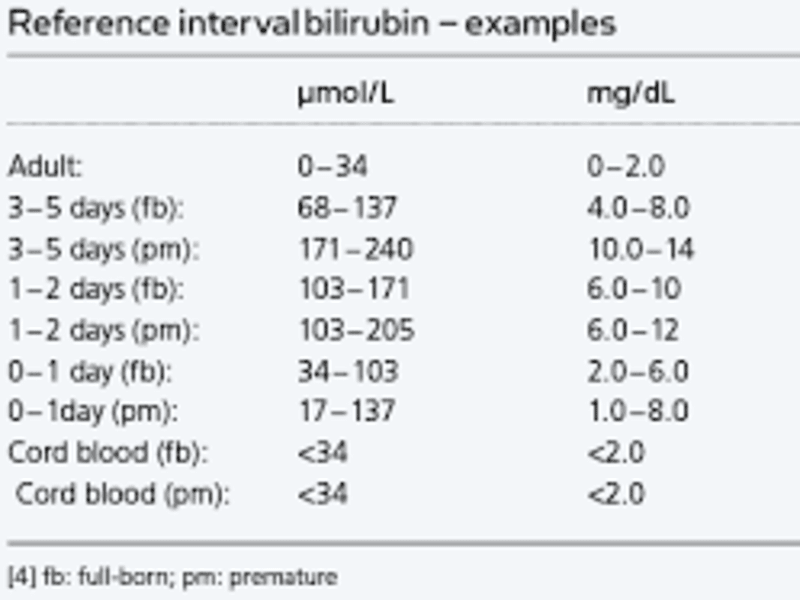
Bilirubin levels help assess liver health. This guide explains normal bilirubin values, types, causes of abnormal levels, symptoms, and when to seek medical advice.
April 11, 2026

Learn how to properly clean and care for your new ear piercing to ensure it heals beautifully and avoid infection. Follow our step-by-step guide for optimal results.
April 1, 2026