

Emergency & Help
24/7 Emergency & General Advisory
🚨 24/7 Medical Emergency
Non-Emergency Advisory
10:00 AM – 6:00 PM, Mon–Sat
For appointments & general queries.
24/7 Emergency & General Advisory
🚨 24/7 Medical Emergency
Non-Emergency Advisory
10:00 AM – 6:00 PM, Mon–Sat
For appointments & general queries.
Stay updated with our latest healthcare news and your appointments.
Explore the effectiveness of vinegar in killing household mold. Learn when it works, its limitations, alternative remedies, and when to call a professional for mold removal.
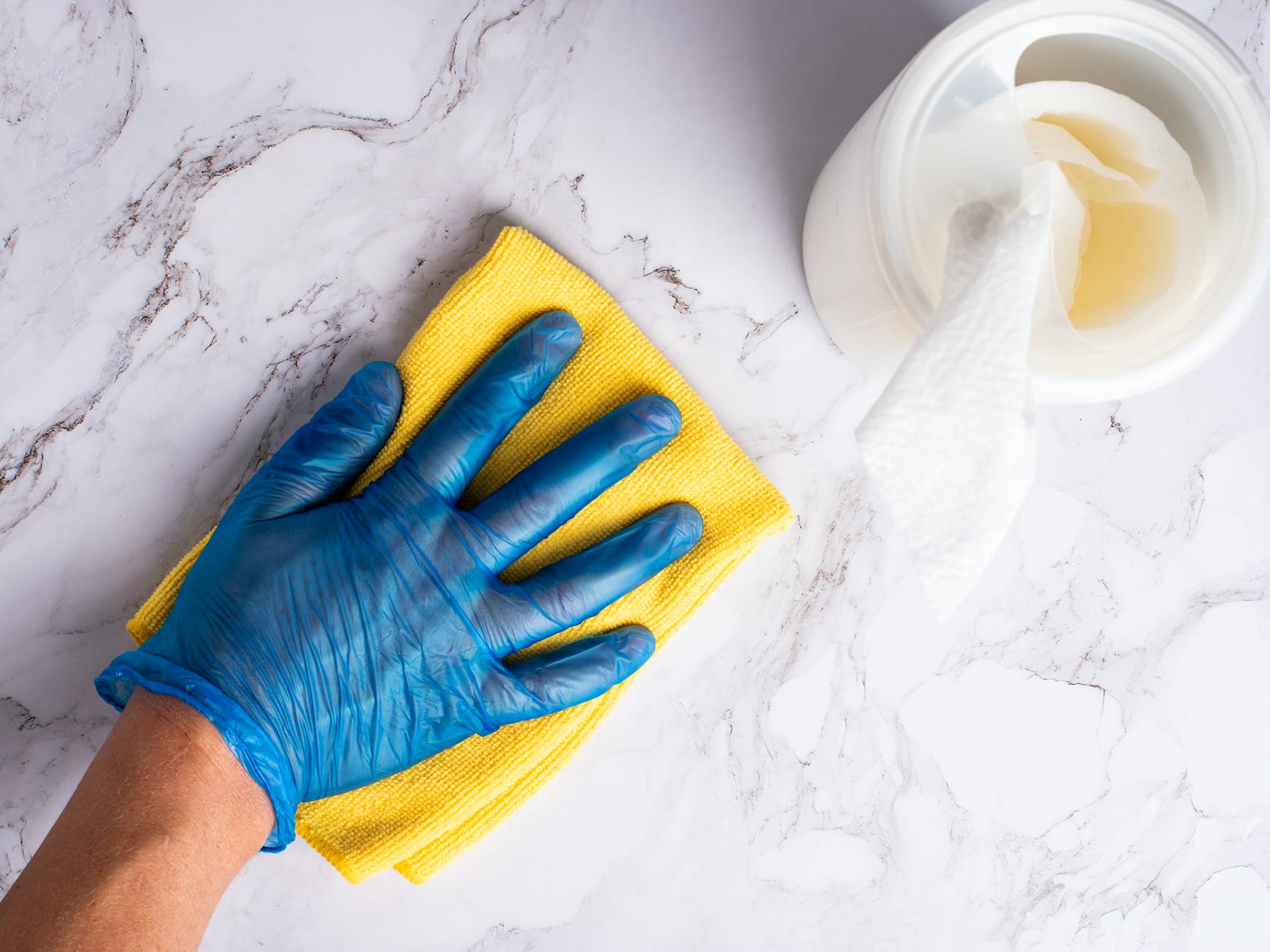
Mold, often called mildew, is a common household nuisance that thrives in damp environments. While it plays a vital role in nature by breaking down organic matter, its presence in our homes can lead to various health concerns, including allergic reactions, breathing difficulties, and aggravated asthma. If you've spotted that tell-tale fuzzy patch in your bathroom, kitchen, or basement, you might be wondering about effective and affordable ways to tackle it. One popular home remedy that frequently comes up is using vinegar. But does vinegar truly kill mold effectively? Let's explore its capabilities, limitations, and when it's time to call in the professionals.
Mold is a type of fungus that reproduces by releasing spores. These microscopic spores are present everywhere, both indoors and outdoors. When mold spores land on a damp surface, they can begin to grow and spread. Common culprits for mold growth include leaky pipes, high humidity, condensation, and poor ventilation. Areas like shower walls, windowsills, under sinks, and around water-damaged areas are particularly susceptible.
Household white vinegar typically contains about 5% to 8% acetic acid. Acetic acid is a moderately strong acid with a pH of around 2.5. This acidity is key to its potential effectiveness against mold. Acetic acid can disrupt the growth of a wide range of fungi and other microorganisms, including some common household molds.
Research into vinegar's mold-fighting abilities has shown mixed results. In one study from 2015, researchers found that vinegar with 4% to 4.2% acetic acid was effective at treating Penicillium chrysogenum, a common household mold. However, the same study indicated that it was not effective against Aspergillus fumigatus, another prevalent type of mold found in homes. This suggests that while vinegar can be a helpful tool, it's not a universal solution for all mold species.
Vinegar can be a safe and effective option for tackling mold on certain surfaces. Its antifungal and antibacterial properties make it a good choice for:
While vinegar is versatile, its acidity can be problematic for some materials. It's important to avoid using vinegar on:
Vinegar is just one of several options available for mold remediation. Here's how it stacks up against other common household remedies:
Derived from the Australian Melaleuca alternifolia tree, tea tree oil contains compounds like terpinen-4-ol, known for their antimicrobial properties. A 2015 study found that tea tree oil was more effective at inhibiting mold growth than vinegar, alcohol, and some commercial cleaners. To use it, mix about one teaspoon of tea tree oil with one cup of water in a spray bottle. Spray the solution onto the moldy area and let it sit without rinsing.
Standard 3% hydrogen peroxide is another effective mold killer. You can apply it directly to the moldy surface using a spray bottle. Let it sit for at least 10 minutes to work its magic, then scrub the area clean. Hydrogen peroxide is particularly good for tackling mold on various surfaces and is generally considered safer than bleach.
Baking soda is a natural deodorizer and a mild abrasive that can also help control mold. A 2017 study showed its effectiveness against powdery mildew. To use it for mold removal, create a paste by mixing baking soda with water. Apply this paste directly to the moldy area, let it sit for at least 10 minutes, and then scrub it off. You can also dissolve a quarter tablespoon of baking soda in a spray bottle filled with water and use it as a spray cleaner.
Various commercial products are specifically designed to kill mold. These often contain stronger chemicals than home remedies and can be very effective, but it's essential to follow the product instructions carefully and ensure good ventilation during use. Always wear protective gear when working with these products.
While vinegar and other home remedies can handle small mold issues, there are times when you should not hesitate to call a professional. The Environmental Protection Agency (EPA) recommends seeking professional help if the mold-affected area is larger than 10 square feet (roughly a 3-foot by 3-foot square). This is especially important if:
A professional mold remediation service has the expertise, tools, and protective equipment to safely and effectively remove mold and address the underlying moisture issues that caused it.
The best approach to mold is prevention. By controlling moisture levels and ensuring good ventilation, you can significantly reduce the chances of mold taking hold:
Vinegar can kill many types of household mold, but it may not be effective against all species. For extensive or stubborn mold growth, other methods or professional help might be necessary.
Vinegar is generally considered safe when used as directed, but it's always best to ensure good ventilation and keep pets and children away from the area while cleaning and until surfaces are dry. The strong smell can be off-putting to pets.
For best results, let the vinegar sit on the moldy surface for at least an hour before scrubbing and wiping clean.
If mold returns, it indicates that the underlying moisture issue has not been resolved or that the mold species is resistant to vinegar. You may need to try a different cleaning agent, ensure better ventilation, or consult a professional.
While vinegar is a readily available and cost-effective tool for tackling minor mold issues in your home, it's not a foolproof solution for every situation. Understanding its limitations and knowing when to seek professional assistance is key to maintaining a healthy living environment free from the detrimental effects of mold.
Most people do not notice early warning signs right away. That is common. A simple symptom diary, basic routine checks, and timely follow-up visits can prevent small problems from becoming serious.
If you are already on treatment, stay consistent with medicines and lifestyle advice. If your symptoms change, do not guess. Check with a qualified doctor and update your plan early.
Write down symptoms, triggers, and timing for a few days.
Carry old prescriptions and test reports to your consultation.
Ask clearly about side effects, red-flag signs, and follow-up dates.
Seek urgent care for severe pain, breathing trouble, bleeding, fainting, or sudden worsening.
Visit Hospital
Near You

For years, long COVID had no proven treatment — only symptom management. That changed in July 2026, when UCL researchers published trial results showing a structured cognitive rehabilitation program produced lasting improvement in long COVID brain fog. This piece explains what the trial found, how i
July 23, 2026
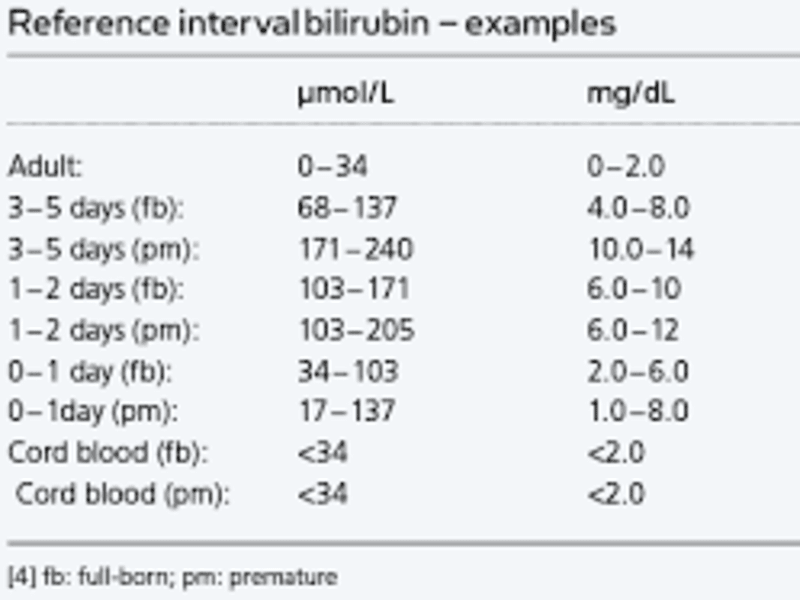
Bilirubin levels help assess liver health. This guide explains normal bilirubin values, types, causes of abnormal levels, symptoms, and when to seek medical advice.
April 11, 2026

Learn how to properly clean and care for your new ear piercing to ensure it heals beautifully and avoid infection. Follow our step-by-step guide for optimal results.
April 1, 2026