

Emergency & Help
24/7 Emergency & General Advisory
🚨 24/7 Medical Emergency
Non-Emergency Advisory
10:00 AM – 6:00 PM, Mon–Sat
For appointments & general queries.
24/7 Emergency & General Advisory
🚨 24/7 Medical Emergency
Non-Emergency Advisory
10:00 AM – 6:00 PM, Mon–Sat
For appointments & general queries.
Stay updated with our latest healthcare news and your appointments.
Discover the link between a white tongue and dehydration. Learn the symptoms, causes, and what you can do to stay hydrated and maintain oral health.

Our bodies are incredible machines, and water is their lifeblood. Think about it: roughly 60 percent of your total body weight is water! It’s essential for every single cell to do its job. When you lose more water than you take in, that’s dehydration. It’s a common issue, especially in our vibrant, busy lives here in India, where the climate can be demanding and our days are often packed. You might not realize it immediately, but your tongue can be a surprising tell-tale sign that your body is crying out for hydration. A white coating on your tongue, a dry and rough texture – these aren't just random occurrences; they can signal that your fluid levels are dipping too low.
Let's talk about your tongue. It's a muscular marvel, covered in tiny bumps called papillae. These papillae are packed with taste receptors, letting you savour everything from your favourite street food chaat to a comforting bowl of dal. But when you're dehydrated, things change. Your body conserves water, and one of the first places you might notice this is in your mouth. Saliva production can dip. Now, saliva isn't just for keeping your mouth moist; it's a natural cleaner! It contains special substances, like hydrogen peroxide, lactoferrin, and lysozyme, that help keep the levels of yeast and bacteria in your mouth in check. When saliva dwindles, your mouth becomes a more welcoming environment for these microbes, potentially leading to infections like oral candidiasis, or thrush. This yeast infection often shows up as white patches on your tongue, right over those papillae. It can spread to other parts of your mouth too.
Dehydration can also cause those papillae to swell. Imagine tiny little bumps getting bigger. When they enlarge, all sorts of things – food particles, bacteria, dead cells – can get trapped around them. This buildup creates that fuzzy, white appearance on your tongue. It’s like a little traffic jam of debris on your tongue's surface! So, when you look in the mirror and see that white tongue, it's not just about your mouth; it's a signal from your entire body that it needs water, and fast.
Beyond the white coating, dehydration can manifest in several other ways in your mouth:
These oral symptoms are often accompanied by other early warning signs of dehydration that affect your whole body:
Imagine your tongue looking pale, perhaps slightly swollen, with a noticeable white film covering the papillae. It might feel dry to the touch and uncomfortable. The papillae themselves might appear enlarged and more prominent beneath the white coating.
While dehydration is a common culprit, it’s important to remember that a white tongue isn't *always* about needing a glass of water. Several other conditions can cause this symptom. Some are minor, while others warrant a doctor's attention.
This is a big one! If you're not keeping your mouth clean, a white tongue is almost a given. This happens when bacteria, dead skin cells, and food debris build up on the tongue's surface. Factors contributing to this include:
When these things accumulate, they can inflame and swell the papillae, leading to that white appearance.
As mentioned earlier, this is a yeast infection caused by an overgrowth of Candida fungus. It often appears as thick, white, cottage cheese-like patches on the tongue and inner cheeks. It's more common in:
This condition causes thick, white patches to form on the gums, inner cheeks, bottom of the mouth, and tongue. While often harmless, leukoplakia patches can sometimes be precancerous. It's strongly linked to tobacco use.
This is a harmless, chronic condition where parts of your tongue lose their papillae, creating smooth, red 'islands' with slightly raised borders. These patterns can change daily, resembling a map – hence the name. It's unknown what causes it, but it affects about 1-2.5% of people and is more common in women.
This is an inflammatory condition that can affect the mouth's lining, tongue, gums, and cheeks. It often appears as lacy white lines or patches, sometimes with red sores.
Beyond poor hygiene, tobacco use directly irritates the tongue, leading to inflammation and changes in papillae that can cause a white coating.
Some drugs, like certain antibiotics or those that cause dry mouth as a side effect, can contribute to a white tongue.
If you notice signs of dehydration in yourself or someone else, acting quickly is key. Here’s a practical guide:
For mild dehydration, simply drinking more fluids might be enough to get you back on track. However, don't hesitate to consult a doctor if:
Severe dehydration is a medical emergency. Symptoms that warrant an immediate trip to the nearest emergency room or a call to emergency services (like 108 or 112 in India) include:
The best approach to dehydration and its related symptoms, like a white tongue, is prevention. Make hydration a daily habit:
Your tongue is a window into your overall health. Paying attention to its appearance, especially if you notice a change like a white coating, can be an important step in recognizing and addressing dehydration or other underlying health issues. Stay hydrated, stay healthy!
Visit Hospital
Near You
For years, long COVID had no proven treatment — only symptom management. That changed in July 2026, when UCL researchers published trial results showing a structured cognitive rehabilitation program produced lasting improvement in long COVID brain fog. This piece explains what the trial found, how i
July 23, 2026
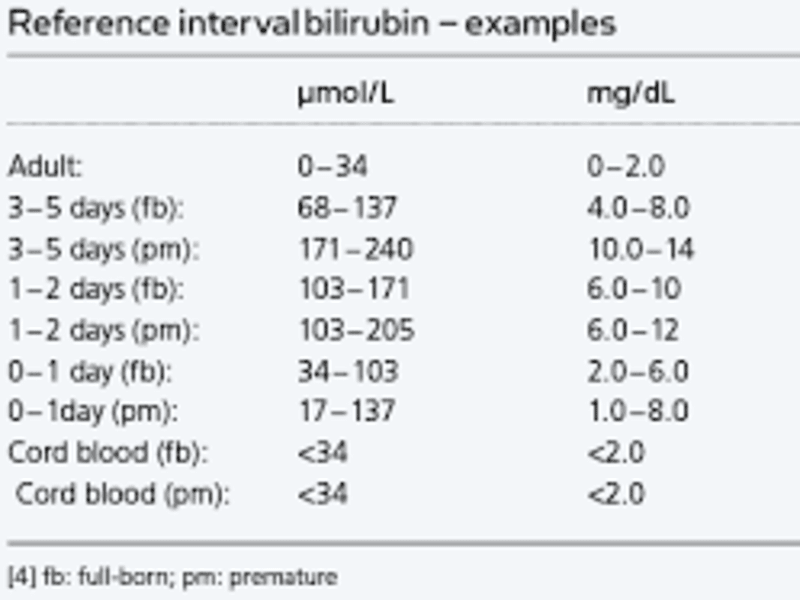
Bilirubin levels help assess liver health. This guide explains normal bilirubin values, types, causes of abnormal levels, symptoms, and when to seek medical advice.
April 11, 2026

Learn how to properly clean and care for your new ear piercing to ensure it heals beautifully and avoid infection. Follow our step-by-step guide for optimal results.
April 1, 2026