

Emergency & Help
24/7 Emergency & General Advisory
🚨 24/7 Medical Emergency
Non-Emergency Advisory
10:00 AM – 6:00 PM, Mon–Sat
For appointments & general queries.
24/7 Emergency & General Advisory
🚨 24/7 Medical Emergency
Non-Emergency Advisory
10:00 AM – 6:00 PM, Mon–Sat
For appointments & general queries.
Stay updated with our latest healthcare news and your appointments.
Feeling uncomfortably hot at night? Learn the common reasons why you might be overheating during sleep, from room temperature and bedding to lifestyle factors and medical conditions. Discover practical solutions for a cooler, more restful sleep.

Do you often wake up in a sweat, feeling like you've slept in a sauna? You're not alone! Many people experience getting too hot while sleeping, and it can be incredibly disruptive to a good night's rest. Let's dive into why this happens and, more importantly, what you can do about it. Understanding your body's natural temperature fluctuations and external factors is key to a cooler, more comfortable sleep. The Science Behind Sleep and Body Temperature Your body temperature isn't static; it follows a natural 24-hour cycle, known as the circadian rhythm. Typically, your body temperature begins to drop in the evening, signaling to your brain that it's time to wind down and prepare for sleep. This dip in core body temperature is actually a critical part of initiating and maintaining sleep. Research suggests that people naturally tend to fall asleep when their body temperature is at its lowest point. The optimal room temperature for sleep, according to a 2019 research review, is generally between 66 to 70°F (19 to 21°C). When your environment or internal factors push your temperature higher than this, it can interfere with your sleep cycle. Your body naturally regulates its temperature through mechanisms like sweating. However, when the external environment is too warm, or your internal processes are disrupted, these mechanisms can be overwhelmed. A room temperature warmer than your body's average of 98.6°F (37°C) can actually lead to your body absorbing heat from the room, making you feel even hotter. Common Culprits Behind Nighttime Heat So, what exactly is making you feel like a furnace when you're trying to sleep? Several factors, both environmental and personal, can contribute: 1. The Bedroom Environment: Too Warm, Too Humid This is often the most straightforward reason. If your bedroom feels warm and stuffy, your body will struggle to shed heat. A 2019 research review highlighted that sleeping in a room that's too hot can lead to awakenings and reduced deep sleep stages, including slow-wave and rapid-eye movement (REM) sleep. Humidity can worsen the problem by making it harder for your sweat to evaporate, which is your body's primary cooling mechanism. 2. Bedding and Sleepwear Choices Think of your bedding and pajamas as an extra layer of insulation. Just like adding blankets on a cold night, thick or heat-trapping materials can make you overheat. Thicker comforters, duvets, or even multiple layers of blankets can significantly increase your body temperature. Similarly, heavy cotton or synthetic pajamas can trap heat. The type of fabric matters too! Some materials are more breathable than others. For instance, a small 2016 study compared cotton and wool sleepwear and bedding. At a cooler temperature of 63°F (17°C), wool sleepwear helped people fall asleep faster. However, at a warmer temperature of 72°F (22°C), cotton sleepwear promoted deeper sleep. This suggests that the fabric's ability to manage heat and moisture is important, especially depending on the ambient room temperature. 3. Pre-Sleep Activities: Exercise, Caffeine, and Stress What you do in the hours leading up to bedtime can have a significant impact: Exercise: While regular exercise is fantastic for overall health and sleep quality, intense workouts too close to bedtime can raise your core body temperature. A 2018 research review found that evening exercise generally doesn't impair sleep, but high-intensity activity finishing within an hour of sleep might. Caffeine: We all know caffeine is a stimulant that keeps us awake. But did you know it can also increase your core body temperature? A 2014 study showed that consuming caffeine close to bedtime can make falling asleep harder and contribute to feeling warmer. Stressful Activities: When you're stressed, your body releases hormones that can affect your temperature regulation. According to a 2015 animal study, stress can cause blood vessels to constrict, which lowers skin temperature but increases core body temperature. This internal heat can make you feel uncomfortably warm at night. Sex: While sex can be a great way to relax and improve sleep quality due to hormone release, very vigorous sexual activity that significantly raises your heart rate might have a similar effect to intense exercise, potentially increasing body temperature temporarily. 4. Sharing Your Bed If you share your bed with a partner, children, or pets, their body heat can contribute to a warmer sleep environment. Bodies naturally generate heat as a byproduct of metabolism. In a confined space like a bed, especially with multiple bodies, the temperature can rise noticeably, trapping heat under the covers. 5. Medications Can Play a Role A surprising number of medications can affect your body's ability to regulate its temperature or directly increase it. If you've recently started a new medication or changed dosages, and you've noticed increased nighttime heat, it's worth discussing with your doctor. Some common culprits include: Certain antibiotics (like beta-lactams, including penicillin and cephalosporins) Diuretics (water pills), especially when combined with ACE inhibitors Some psychiatric medications Hormone replacement therapy Certain cancer treatments It's important to remember that this is not an exhaustive list, and individual reactions can vary. Always consult your healthcare provider about potential side effects. 6. Underlying Health Conditions Sometimes, feeling excessively hot at night can be a symptom of an underlying medical issue. Conditions that can disrupt thermoregulation include: Hyperthyroidism: An overactive thyroid gland can speed up your metabolism, leading to increased heat production. Menopause: Hot flashes are a very common symptom of menopause, often occurring at night and disrupting sleep. Infections: A fever, even a low-grade one, indicates your body is fighting an infection and will naturally be warmer. Certain Neurological Disorders: Some conditions affecting the brain's temperature control centers can lead to issues with thermoregulation. Sleep Apnea: While not directly causing heat, the disrupted breathing can sometimes lead to physiological stress responses that might feel like heat. Solutions for a Cooler Night's Sleep Feeling hot at night doesn't have to be an accepted part of your sleep routine. Here are practical steps you can take: Optimize Your Bedroom Environment Set the Thermostat: Aim for that ideal 66-70°F (19-21°C) range. Use fans or air conditioning as needed. Manage Humidity: If your room is humid, consider using a dehumidifier. Improve Airflow: Ensure good ventilation. Open windows if the outside air is cool and fresh. Choose Your Bedding and Sleepwear Wisely Opt for Breathable Fabrics: Look for bedding made from natural, breathable materials like cotton, linen, or bamboo. These fabrics allow air to circulate and wick away moisture. Lighter Bedding: Use lighter blankets or a duvet with a lower tog rating, especially during warmer months. Consider a cooling mattress topper. Moisture-Wicking Sleepwear: Choose pajamas made from breathable, moisture-wicking fabrics like cotton, bamboo, or specialized performance fabrics. Avoid heavy synthetics. Adjust Your Pre-Sleep Routine Timing is Key for Exercise: If you exercise in the evening, try to finish your workout at least 2-3 hours before bedtime. Limit Caffeine and Alcohol: Avoid caffeine in the afternoon and evening. While alcohol might make you feel sleepy initially, it disrupts sleep quality and can lead to overheating later. Stress Management: Practice relaxation techniques before bed, such as deep breathing exercises, meditation, or gentle stretching. A warm bath (not hot!) can actually help lower your core body temperature afterward. Consider Your Bed Partner If sharing a bed is a major heat source, consider strategies like: Using separate blankets. Choosing lighter bedding materials that don't trap as much heat. Ensuring good ventilation in the room. Review Your Medications If you suspect your medication is contributing to nighttime heat, schedule an appointment with your doctor. Do not stop or change medication without professional guidance. When to Consult a Doctor While occasional nighttime sweats or feeling too warm can be managed with lifestyle adjustments, persistent or severe overheating, especially when accompanied by other symptoms, warrants medical attention. You should consult a doctor if you experience: Frequent and intense nighttime sweating that disrupts your sleep significantly. Unexplained weight loss. Fever or chills. Swollen lymph nodes. Changes in bowel or bladder habits. Sudden onset of severe hot flashes, especially if you are not menopausal. Any other concerning symptoms that accompany the overheating. Your doctor can help rule out underlying medical conditions, review your medications, and provide personalized advice for managing your sleep temperature. Frequently Asked Questions (FAQ) Q1: Can drinking water before bed make me hot? Drinking water itself doesn't typically increase body temperature. However, if you drink a lot right before bed, you might need to wake up to use the restroom, which can disrupt your sleep and make you feel more aware of your body temperature. The key is hydration throughout the day. Q2: Does eating spicy food before bed cause overheating? Yes, spicy foods can increase your metabolic rate and body temperature temporarily, potentially making you feel hotter. It's generally advisable to avoid very spicy meals close to bedtime if you're prone to overheating. Q3: Is it normal to sweat a lot during REM sleep? During REM sleep, your body's temperature regulation can be less efficient. Some people naturally experience more sweating during this stage as part of their sleep cycle. However,
In summary, timely diagnosis, evidence-based treatment, and prevention-focused care improve long-term health outcomes.
Visit Hospital
Near You

For years, long COVID had no proven treatment — only symptom management. That changed in July 2026, when UCL researchers published trial results showing a structured cognitive rehabilitation program produced lasting improvement in long COVID brain fog. This piece explains what the trial found, how i
July 23, 2026
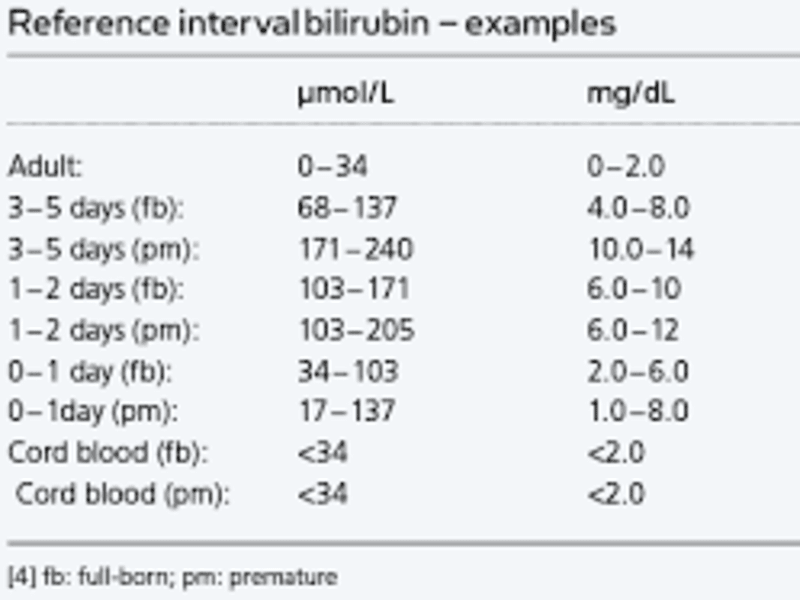
Bilirubin levels help assess liver health. This guide explains normal bilirubin values, types, causes of abnormal levels, symptoms, and when to seek medical advice.
April 11, 2026

Learn how to properly clean and care for your new ear piercing to ensure it heals beautifully and avoid infection. Follow our step-by-step guide for optimal results.
April 1, 2026