

Emergency & Help
24/7 Emergency & General Advisory
🚨 24/7 Medical Emergency
Non-Emergency Advisory
10:00 AM – 6:00 PM, Mon–Sat
For appointments & general queries.
24/7 Emergency & General Advisory
🚨 24/7 Medical Emergency
Non-Emergency Advisory
10:00 AM – 6:00 PM, Mon–Sat
For appointments & general queries.
Stay updated with our latest healthcare news and your appointments.
Discover the science behind why onions make you cry and learn practical, effective tips to prevent those teary eyes while cooking. Includes home remedies and when to consult a doctor.

Ah, the humble onion. A kitchen staple, a flavour enhancer, a culinary artist's best friend. From the simplest dal tadka to the most complex biryani, onions are indispensable in Indian cooking. But for many home cooks across India, the joy of chopping onions for a delicious meal is often accompanied by an unwelcome, watery reaction. It’s a common sight: a cook with red, stinging eyes, a runny nose, and a desperate reach for a tissue. This isn't a sign of emotional distress; it's a purely chemical reaction that has puzzled and perhaps annoyed us for centuries. But why exactly do these flavourful bulbs trigger such a response? Let's dive into the science behind those tears.
Onions, like many plants, have evolved ingenious ways to protect themselves. Growing underground, they are vulnerable to pests and predators. To deter these threats, onions have a built-in defense system. When you slice into an onion, you break its cells. This action releases enzymes and a sulfur compound called sulfenic acid. These two then react, creating a volatile gas known as propanethial S-oxide. This gas is the primary culprit behind your watery eyes.
Propanethial S-oxide is a lachrymatory factor, meaning it's an irritant that, when it comes into contact with the moisture in your eyes, converts into a mild form of sulfuric acid. Your eyes, being incredibly sensitive organs, detect this irritant. The nerves in your eyes send an urgent signal to your brain: 'There's something harmful here!'. Your body's natural response is to produce tears to wash away the perceived threat and protect the delicate surface of your eyeball. These are known as reflex tears, and they are your eyes' way of saying, 'Get this stuff out of here!'
You might have noticed that some onions seem to make you cry more than others. This is perfectly normal. The intensity of the tear-inducing reaction depends largely on the type of onion and its sulfur content. Onions that are more pungent and have a stronger flavour generally contain higher levels of sulfur compounds. This includes common varieties like:
These onions pack a flavourful punch, but they also tend to release more propanethial S-oxide. On the other hand, sweeter varieties, such as green onions or spring onions, often have lower sulfur content. Consequently, they tend to produce fewer tears for most people. Interestingly, agricultural scientists have even developed 'tear-free' onion varieties, like Sunions, through genetic modification. While not yet widely available in all Indian markets, they represent a future possibility for tear-free cooking.
The symptoms of cutting onions are quite distinct and usually appear almost immediately:
It's important to remember that these reactions are generally harmless and temporary. However, if you have pre-existing eye conditions or are particularly sensitive to onions or other alliums (like garlic), your reaction might be more pronounced or include other symptoms. If you experience severe pain, vision changes, or prolonged irritation, it's always wise to consult a doctor.
The good news is that you don't have to suffer through every onion chopping session. Several practical methods can significantly reduce or even eliminate onion tears. Here are some tried-and-tested strategies:
One of the most effective methods is to reduce the onion's chemical potency by chilling it. Place your onion in the refrigerator for at least 30 minutes, or even better, in a bowl of ice water for about 15-30 minutes before you start chopping. The cold temperature slows down the release of the enzymes that cause the tear-inducing compounds.
A sharp knife cuts through onion cells cleanly, causing less damage. A dull knife, on the other hand, crushes the cells, releasing more of the irritating compounds. Invest in a good quality chef's knife and keep it sharp.
The propanethial S-oxide gas needs to dissipate. Chopping your onion under an exhaust fan or near an open window can help carry the irritating vapours away from your face before they reach your eyes. Some cooks even find that cutting near a lit candle helps, as the flame can burn off some of the gas, though this is less scientifically proven.
Try to create a physical barrier between your eyes and the onion vapours. This could mean:
Some chefs suggest slicing the onion away from your body. This technique can help direct the vapours upwards and away from your eyes, rather than directly into them.
The root end of the onion contains the highest concentration of the sulfur compounds. Try to avoid cutting too close to the root. You can leave a small portion of the root intact while slicing the rest of the onion, and then discard the root piece.
If you do start to feel the sting, rinse your eyes with cool, clean water. You can also rinse your cutting board and knife periodically to wash away the irritating compounds.
For immediate relief after cutting, a cool compress or slices of cucumber placed over your closed eyes can be soothing. Lubricating eye drops can also help flush out irritants.
While onion tears are a common and usually harmless inconvenience, there are times when you should consult a healthcare professional:
A doctor or an eye specialist (ophthalmologist) can provide accurate diagnosis and recommend appropriate treatment if necessary.
No, in most cases, the tears and irritation caused by cutting onions are temporary and do not lead to permanent eye damage. Your eyes are designed to protect themselves from such irritants.
This is a popular home remedy, but its effectiveness is largely anecdotal. The theory is that the bread absorbs some of the vapours. While it might offer a slight distraction, it's not a scientifically proven method to stop tears effectively.
While general sulfur content varies by onion type, specific regional Indian onion varieties might have slightly different profiles. However, the principles of chilling, using sharp knives, and ventilation generally apply across all types.
Children's eyes can be more sensitive. Ensure you're using ventilation, cutting away from them, and consider chilling the onion thoroughly. If they react very strongly, you might want to prepare onions when they are not in the immediate vicinity.
You can chop onions ahead of time and store them in an airtight container in the refrigerator. This will significantly reduce the release of irritating vapours into the air when you're ready to cook. However, very fresh chopped onions may still release some fumes.
Visit Hospital
Near You

For years, long COVID had no proven treatment — only symptom management. That changed in July 2026, when UCL researchers published trial results showing a structured cognitive rehabilitation program produced lasting improvement in long COVID brain fog. This piece explains what the trial found, how i
July 23, 2026
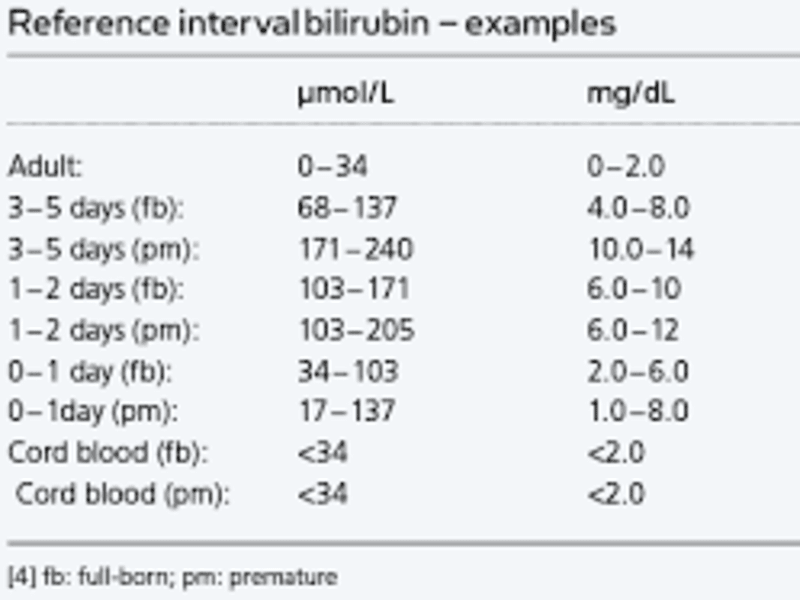
Bilirubin levels help assess liver health. This guide explains normal bilirubin values, types, causes of abnormal levels, symptoms, and when to seek medical advice.
April 11, 2026

Learn how to properly clean and care for your new ear piercing to ensure it heals beautifully and avoid infection. Follow our step-by-step guide for optimal results.
April 1, 2026