

Emergency & Help
24/7 Emergency & General Advisory
🚨 24/7 Medical Emergency
Non-Emergency Advisory
10:00 AM – 6:00 PM, Mon–Sat
For appointments & general queries.
24/7 Emergency & General Advisory
🚨 24/7 Medical Emergency
Non-Emergency Advisory
10:00 AM – 6:00 PM, Mon–Sat
For appointments & general queries.
Stay updated with our latest healthcare news and your appointments.
Discover why those tiny paper cuts on your fingers feel so intensely painful. Learn about the science of nerve endings, effective home care, and simple prevention tips for these common yet sharp injuries.

We’ve all been there. You’re just minding your own business, perhaps sorting mail or flipping through a book, and then – ouch! A tiny paper cut appears, usually on your fingertip or the side of your finger, and the pain feels disproportionately intense for such a small injury. It’s a common, yet surprisingly painful, experience. But why do these seemingly minor cuts pack such a punch when it comes to pain? Let’s explore the science behind the sting and learn how to manage and prevent these common injuries.
The primary reason paper cuts hurt so much is the sheer density of nerve endings in our hands and fingers. Think of your body as being covered in a network of tiny messengers called nerves. These nerves are responsible for sending signals to your brain, including sensations like touch, pressure, temperature, and, of course, pain. While nerves are spread throughout your entire body, some areas have a much higher concentration of these nerve endings than others. Your fingertips, for instance, are packed with an incredible number of these sensitive receptors. In fact, research indicates that fingertips have the highest tactile spatial acuity of any part of the body. This means they are exceptionally good at sensing fine details and subtle changes, but this also makes them highly susceptible to pain signals.
When a piece of paper, with its surprisingly sharp and dry edge, slices into your skin, it triggers these densely packed nerve endings. Because so many of them are activated by a small injury, the pain signal sent to your brain is amplified. It’s like having a small alarm that sets off a much louder siren than necessary. This explains why a cut that might seem insignificant in size can cause such a sharp, throbbing, or burning sensation.
Another common observation with paper cuts is the amount of bleeding, even from a shallow wound. This is also related to the anatomy of our hands and fingers. The small blood vessels, called capillaries, are also closely packed in these areas. When the skin is broken, even slightly, these concentrated capillaries can release blood, making the cut appear more significant than it might actually be. While the bleeding is often more noticeable than expected, most paper cuts are superficial and don’t require medical intervention for bleeding control.
For most people, a paper cut is a temporary nuisance that heals within a few days. However, certain underlying health conditions can make the pain more intense or complicate the healing process. If you experience any of the following, it’s worth discussing with your doctor:
Several other conditions can impede the body's natural healing process, making even minor cuts more problematic:
If you have any of these conditions and sustain a paper cut, it’s wise to be extra vigilant about care and consult your doctor if you have concerns.
Fortunately, most paper cuts heal on their own relatively quickly. Here’s how you can help the process along and minimize discomfort:
Most paper cuts should start feeling better within 2 to 3 days and heal completely within that timeframe. Continue to keep the area clean and monitor it for any signs of trouble.
While it’s impossible to eliminate the risk entirely, you can significantly reduce your chances of getting a paper cut:
While paper cuts are usually minor, there are times when you should consult a healthcare professional. Pay attention to your paper cut and seek medical attention if you notice any of the following:
A doctor can assess the wound, provide appropriate treatment, and address any underlying issues that might be affecting healing.
A: Most small paper cuts heal within 2 to 3 days without any specific medical treatment, provided they are kept clean and free from infection.
A: Yes, any break in the skin carries a risk of infection. This is why cleaning the cut and using antibiotic ointment is important, especially if the cut is on your hands, which come into contact with many surfaces.
A: Clean the cut, apply antibiotic ointment, and cover it with a bandage. Over-the-counter pain relievers like ibuprofen or acetaminophen can also help manage discomfort. If the pain is severe or doesn't subside, consult a doctor.
A: Yes, they often feel more painful than their size would suggest because they commonly occur on fingers and fingertips, which have a very high concentration of nerve endings that send strong pain signals to the brain.
Visit Hospital
Near You
For years, long COVID had no proven treatment — only symptom management. That changed in July 2026, when UCL researchers published trial results showing a structured cognitive rehabilitation program produced lasting improvement in long COVID brain fog. This piece explains what the trial found, how i
July 23, 2026
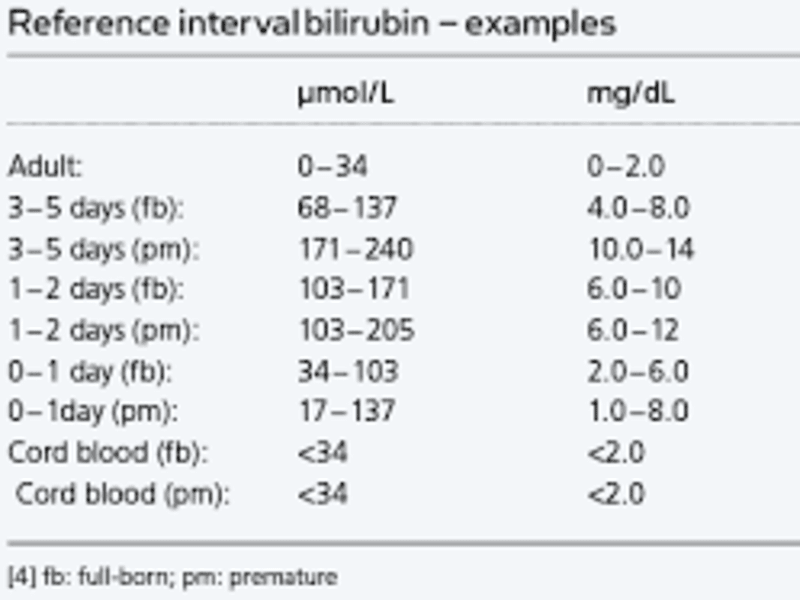
Bilirubin levels help assess liver health. This guide explains normal bilirubin values, types, causes of abnormal levels, symptoms, and when to seek medical advice.
April 11, 2026

Learn how to properly clean and care for your new ear piercing to ensure it heals beautifully and avoid infection. Follow our step-by-step guide for optimal results.
April 1, 2026