

Emergency & Help
24/7 Emergency & General Advisory
🚨 24/7 Medical Emergency
Non-Emergency Advisory
10:00 AM – 6:00 PM, Mon–Sat
For appointments & general queries.
24/7 Emergency & General Advisory
🚨 24/7 Medical Emergency
Non-Emergency Advisory
10:00 AM – 6:00 PM, Mon–Sat
For appointments & general queries.
Stay updated with our latest healthcare news and your appointments.
Discover the surprising reasons behind belly button odour, from simple hygiene to infections and skin conditions. Learn how to keep your navel clean and when to see a doctor.

Let's talk about something a little… unusual, but surprisingly common. That little dip in your abdomen, your belly button, can sometimes surprise you with an unpleasant odour. It might seem like a minor issue, a quirky bodily quirk, but have you ever stopped to wonder why it happens? It’s more than just a bit of dirt; your belly button is a unique little space, a former gateway to life, and it has its own tiny world going on inside. In fact, studies have shown that your belly button can be a miniature ecosystem, home to a surprising variety of bacteria. Imagine that! And where there are bacteria, there can be smells, especially if things aren't kept perfectly clean.
This isn't just about personal hygiene, though that's a big part of it. Sometimes, a persistent or particularly foul smell can signal something more. Infections, skin conditions, or even underlying health issues like diabetes can manifest in this often-overlooked area. So, if you've noticed a whiff you don't like, it's worth understanding what might be causing it and what you can do about it. We're here to break down the common culprits, offer practical tips for keeping your navel fresh, and guide you on when it's time to seek professional medical advice. Your belly button might be small, but its health matters!
Your belly button, or navel, is a scar. It’s a remnant from the umbilical cord that nourished you in your mother's womb. Pretty amazing, right? But this scar, often an indentation, creates a perfect little haven for things to gather. Think of it like a small, warm, and sometimes moist pocket. This environment is ideal for bacteria and even fungi to thrive. A review of research from 2012 highlighted that our belly buttons can host a diverse range of bacteria – up to 67 different types! These microorganisms, along with sweat, dead skin cells, and lint from your clothes, can create a perfect buffet for them.
When these substances accumulate and aren't cleaned away regularly, bacteria and fungi begin to multiply. Just like how your armpits can develop an odour after a sweaty workout, the bacteria in your belly button break down the trapped material, producing volatile compounds that lead to that distinct, often unpleasant smell. The deeper your belly button's 'innie', the more surface area there is for things to collect, potentially leading to a stronger odour if hygiene is lacking.
So, what exactly is making your belly button smell? Let's explore the most frequent reasons:
This is the most straightforward and common cause. If you don't clean your belly button regularly and thoroughly, sweat, dead skin cells, lint, and natural body oils will accumulate. Bacteria and fungi feed on this mixture, breaking it down and releasing odorous compounds. It's simple science: trapped moisture and organic matter create a breeding ground for odour-causing microbes. Even if you shower daily, the specific contours of your belly button might require a little extra attention to get completely clean.
Sometimes, the smell is a sign of an infection. Several types of infections can occur in the belly button area:
Certain skin conditions can also contribute to belly button odour:
While less common, certain systemic health issues can predispose you to infections that might affect your belly button odour:
Besides the smell itself, here are other signs that suggest your belly button issue might need medical attention:
The good news is that maintaining a fresh belly button is usually quite simple and involves good hygiene practices:
While most belly button odours can be managed with good hygiene, it's important to see a doctor if:
Your doctor can diagnose the cause of the odour, whether it's a simple hygiene issue, an infection, or a skin condition, and recommend the appropriate treatment. This might include antibiotics or antifungal creams, or procedures to address cysts.
Yes, belly button lint, combined with sweat and dead skin cells, can create an environment where bacteria and fungi multiply, leading to an odour. Regular cleaning helps prevent this.
A very mild, transient smell might occur if there's been some accumulation of sweat and skin cells, especially after a hot day or exercise. However, a persistent or strong, foul odour is not typical and warrants attention.
For most cases, your primary care physician or a general practitioner is a good starting point. If it's related to a skin condition, they might refer you to a dermatologist. If you have a piercing infection, a doctor can help manage it.
While most piercing infections are minor and treatable, untreated or severe infections can potentially lead to more serious complications. It's always best to address any signs of infection promptly by consulting a healthcare professional.
Cleaning your belly button daily, especially during your regular shower or bath, is generally recommended. Ensure you dry it thoroughly afterwards.
Visit Hospital
Near You
For years, long COVID had no proven treatment — only symptom management. That changed in July 2026, when UCL researchers published trial results showing a structured cognitive rehabilitation program produced lasting improvement in long COVID brain fog. This piece explains what the trial found, how i
July 23, 2026
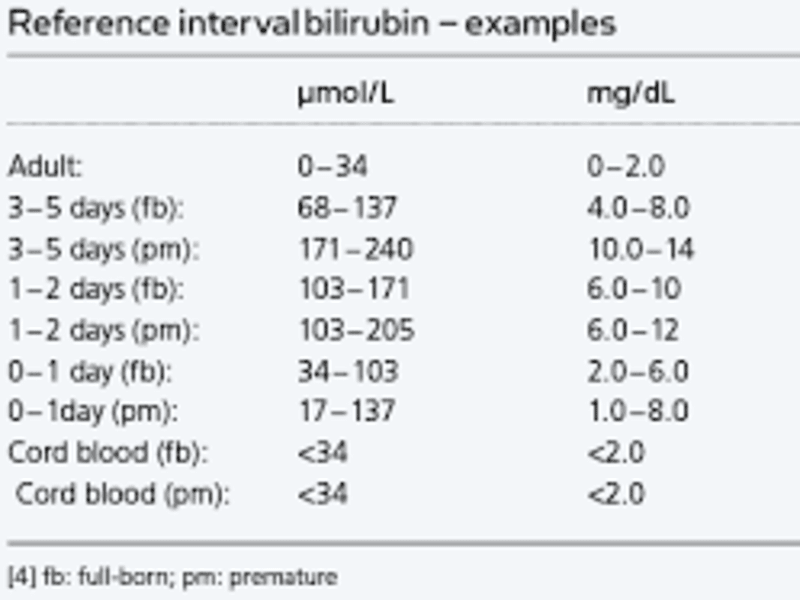
Bilirubin levels help assess liver health. This guide explains normal bilirubin values, types, causes of abnormal levels, symptoms, and when to seek medical advice.
April 11, 2026

Learn how to properly clean and care for your new ear piercing to ensure it heals beautifully and avoid infection. Follow our step-by-step guide for optimal results.
April 1, 2026