

Emergency & Help
24/7 Emergency & General Advisory
🚨 24/7 Medical Emergency
Non-Emergency Advisory
10:00 AM – 6:00 PM, Mon–Sat
For appointments & general queries.
24/7 Emergency & General Advisory
🚨 24/7 Medical Emergency
Non-Emergency Advisory
10:00 AM – 6:00 PM, Mon–Sat
For appointments & general queries.
Stay updated with our latest healthcare news and your appointments.
Discover why plucking nose hairs is dangerous and explore safer alternatives like trimming to protect your health and prevent infections.

Many of us have a love-hate relationship with our nose hairs. They can feel unsightly or ticklish, leading many to consider removing them. While the idea of a quick pluck with tweezers might seem appealing, especially if you're aiming for a neat appearance, it's a practice that medical experts strongly advise against. Your nose hairs are more than just something to trim; they play a vital role in protecting your health. Let's explore why plucking is a bad idea and what safer methods you can use instead.
Think of your nose hairs as tiny sentinels guarding the entrance to your respiratory system. Their primary function is to trap inhaled particles like dust, pollen, bacteria, and other microscopic debris before they can enter your lungs. This filtration system is essential for preventing infections and allergic reactions. Each individual nose hair follicle works tirelessly; over a lifetime, a single follicle can grow nearly 6.5 feet of hair! As we age, these hairs can become longer, coarser, and more noticeable, which is often what prompts people to consider removal.
While the desire for a 'clean' look is understandable, plucking nose hairs can lead to several unpleasant and potentially serious complications. When you pull a hair from its root, you're not just removing the visible strand; you're creating a tiny wound in the skin at the follicle. This wound is an open invitation for trouble.
One of the most frequent issues after plucking is the development of an ingrown hair. This happens when the hair, instead of growing outwards, curls back and grows into the surrounding skin. It's a common problem in areas where hair is frequently removed, like the face, underarms, and bikini line. For your nose, an ingrown hair can manifest as:
Often, ingrown hairs resolve on their own. However, if the problem becomes persistent or severe, it's best to consult a doctor to prevent further complications.
Nasal vestibulitis is an infection affecting the nasal vestibule, which is the front part of your nasal cavity. This infection typically arises when bacteria, most commonly Staphylococcus, enter a tiny wound or abrasion in the nasal lining. Plucking creates exactly these kinds of micro-injuries. Signs of nasal vestibulitis include:
Mild cases can often be managed at home with over-the-counter antibiotic ointments like Bacitracin. However, if the infection is more severe, leading to larger boils, your doctor might prescribe a stronger topical antibiotic, such as Bactroban. Prompt treatment is key to preventing the infection from worsening.
This is a more serious infection that affects a hair follicle deep within the nose. It's particularly concerning for individuals with weakened immune systems. Symptoms of nasal furunculosis often include:
In very rare instances, the infection from nasal furunculosis can spread. If the infection travels to the blood vessels that drain into the brain, it can lead to dangerous conditions like:
These are serious medical emergencies requiring immediate hospital care.
Remember those nose hairs acting as filters? When you remove too many, you compromise this natural defense. More dust, pollen, and allergens can then bypass your nasal passages and reach your lungs. Research has suggested a link between reduced nasal hair density and an increased risk of developing asthma, particularly in individuals prone to allergies. A study examining participants with varying amounts of nose hair found that those with the least hair had a significantly higher chance of developing asthma compared to those with more.
Ramesh, a 45-year-old software engineer, noticed his nose hairs becoming quite prominent. Concerned about his appearance during client meetings, he decided to pluck them out one evening. A few days later, his nostrils became red and sore, and he developed a painful pimple-like bump inside his nose. He initially thought it was just a regular zit, but the discomfort grew, and he started feeling a bit feverish. Thankfully, he saw his doctor, who diagnosed him with nasal vestibulitis and prescribed an antibiotic cream, preventing a more serious infection.
If your nose hairs are bothering you, there are much safer ways to manage them than plucking. The goal is to trim or remove them without damaging the follicle or the surrounding skin.
These devices are specifically designed for safely trimming nose hairs. They work by cutting the hair without pulling it from the root. Most are battery-operated and easy to use. Simply insert the tip gently into your nostril and move it around to trim stray hairs. They are widely available and an effective, pain-free solution.
If you don't have an electric trimmer, a small, blunt-tipped pair of grooming scissors can also be used. Ensure the scissors are clean. Carefully trim the hairs that protrude from the nostril. Be extremely cautious to avoid poking yourself or cutting the delicate nasal lining.
Some grooming salons or barbers offer professional nose hair trimming services. This can be a good option if you're uncomfortable doing it yourself or want a very precise result.
While minor irritation might resolve on its own, seek medical attention if you experience any of the following after attempting to remove nose hair:
Your doctor can properly diagnose and treat any complications, ensuring your nasal health is protected.
You can trim your nose hairs as often as needed, but daily trimming is usually unnecessary. Once or twice a week is often sufficient for most people, depending on how quickly your hair grows.
No, it is not safe or advisable to remove all your nose hair. Nose hairs are a crucial part of your respiratory defense system. Removing them entirely leaves you vulnerable to inhaling more dust, allergens, and pathogens.
Contrary to a common myth, plucking hair does not typically make it grow back thicker or coarser. However, it can damage the hair follicle over time and increase the risk of infection and ingrown hairs, which might give the *impression* of thicker regrowth due to inflammation or scarring.
Visit Hospital
Near You
For years, long COVID had no proven treatment — only symptom management. That changed in July 2026, when UCL researchers published trial results showing a structured cognitive rehabilitation program produced lasting improvement in long COVID brain fog. This piece explains what the trial found, how i
July 23, 2026
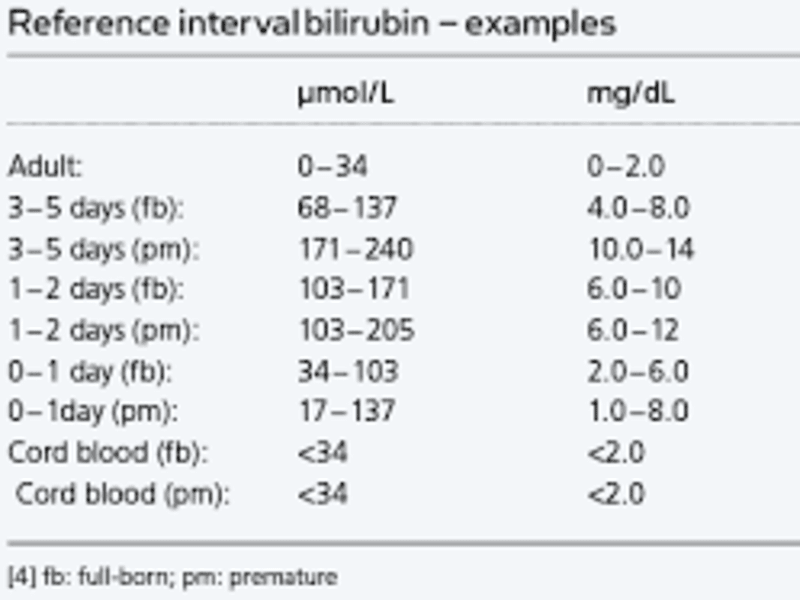
Bilirubin levels help assess liver health. This guide explains normal bilirubin values, types, causes of abnormal levels, symptoms, and when to seek medical advice.
April 11, 2026

Learn how to properly clean and care for your new ear piercing to ensure it heals beautifully and avoid infection. Follow our step-by-step guide for optimal results.
April 1, 2026