

Emergency & Help
24/7 Emergency & General Advisory
🚨 24/7 Medical Emergency
Non-Emergency Advisory
10:00 AM – 6:00 PM, Mon–Sat
For appointments & general queries.
24/7 Emergency & General Advisory
🚨 24/7 Medical Emergency
Non-Emergency Advisory
10:00 AM – 6:00 PM, Mon–Sat
For appointments & general queries.
Stay updated with our latest healthcare news and your appointments.
Learn how wrist blood pressure monitors work, why they're useful, and how to get accurate readings at home. Find the best models for your needs.
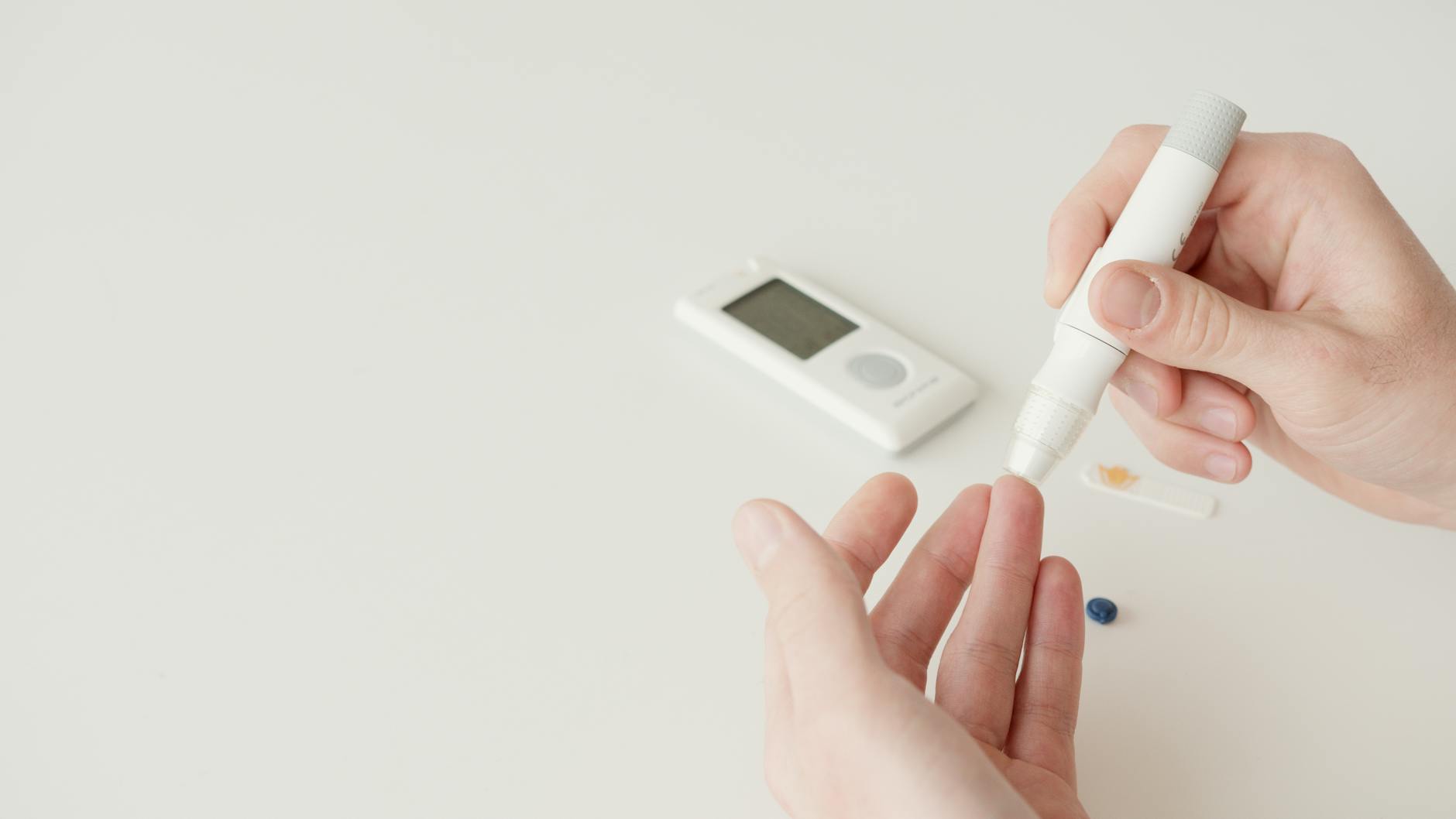
High blood pressure, or hypertension, is a silent threat that affects millions in India and worldwide. Many people don't even know they have it until a serious health event occurs. The good news? Regular monitoring can make a world of difference. While the American Heart Association (AHA) often recommends upper arm monitors, wrist blood pressure monitors offer a convenient and accessible alternative, especially when upper arm cuffs don't fit or are difficult to use. These compact devices can provide valuable insights into your cardiovascular health right from your home. Let's explore how these little gadgets work, what to look for, and how to get the most accurate readings.
Imagine this: your blood pressure readings can fluctuate significantly throughout the day, influenced by everything from your morning cup of chai to a stressful commute. Consistently high readings can signal an increased risk for serious conditions like heart disease, stroke, and heart attack. An at-home blood pressure monitor, whether it's an upper arm or wrist model, is your first line of defence. It empowers you to track these changes, notice trends, and have concrete data to share with your doctor. This proactive approach is vital for managing your health effectively, especially if you've already been diagnosed with hypertension.
At their core, both wrist and upper arm monitors operate on the same principle. They use an inflatable cuff to temporarily stop blood flow in an artery.
Here's the magic:
The monitor then displays these two numbers, giving you a snapshot of your cardiovascular state at that moment.
With so many options available, picking the best wrist blood pressure monitor can feel overwhelming. We've sifted through the noise, focusing on reliability, ease of use, and customer satisfaction. Here’s what we considered:
Based on these criteria, here are a few standouts:
Even the best monitor needs to be used correctly to provide reliable information. Follow these guidelines for the most accurate results:
An at-home monitor is a tool for tracking, not self-diagnosis or self-treatment. Always discuss your readings with your doctor. You should seek medical advice promptly if:
Your doctor is the best person to interpret your results in the context of your overall health and medical history.
When used correctly, wrist monitors can be very accurate. The key is proper positioning – ensuring your wrist is at heart level is critical. Some studies suggest upper arm monitors might be slightly more reliable in certain populations, but for many, wrist monitors are a perfectly acceptable and convenient option.
This depends on your health status. If you have high blood pressure, your doctor might recommend daily monitoring, perhaps twice a day (morning and evening). If you're monitoring for general awareness, a few times a week might suffice. Always follow your doctor's specific advice.
The top number is your systolic pressure (when your heart beats), and the bottom number is your diastolic pressure (when your heart rests between beats). For example, a reading of 120/80 mmHg means your systolic pressure is 120 and your diastolic pressure is 80.
Absolutely! Stress, anxiety, and even excitement can temporarily raise your blood pressure. It's why resting quietly before taking a reading is so important. If you consistently get high readings during stressful periods, discuss stress management techniques with your doctor.
Disclaimer: This information is for general knowledge and informational purposes only, and does not constitute medical advice. It is essential to consult with a qualified healthcare professional for any health concerns or before making any decisions related to your health or treatment.
Visit Hospital
Near You

For years, long COVID had no proven treatment — only symptom management. That changed in July 2026, when UCL researchers published trial results showing a structured cognitive rehabilitation program produced lasting improvement in long COVID brain fog. This piece explains what the trial found, how i
July 23, 2026
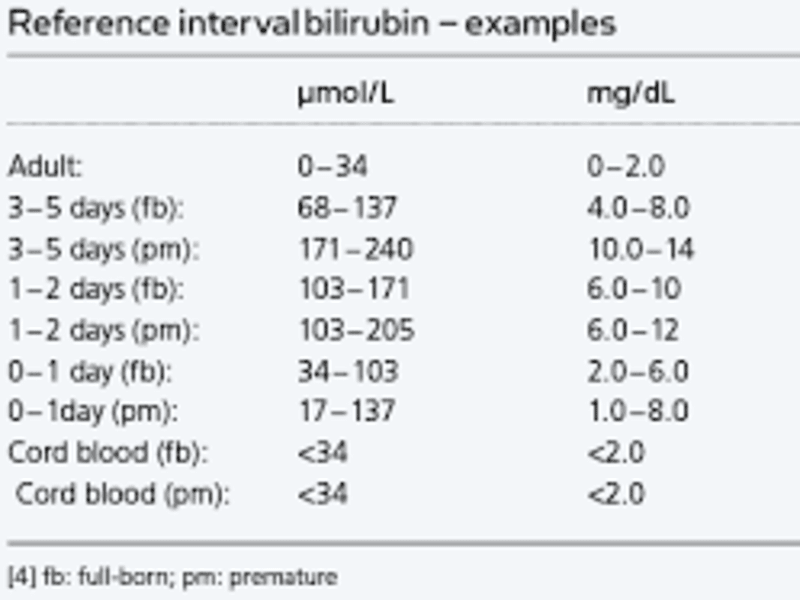
Bilirubin levels help assess liver health. This guide explains normal bilirubin values, types, causes of abnormal levels, symptoms, and when to seek medical advice.
April 11, 2026

Learn how to properly clean and care for your new ear piercing to ensure it heals beautifully and avoid infection. Follow our step-by-step guide for optimal results.
April 1, 2026