

Emergency & Help
24/7 Emergency & General Advisory
🚨 24/7 Medical Emergency
Non-Emergency Advisory
10:00 AM – 6:00 PM, Mon–Sat
For appointments & general queries.
24/7 Emergency & General Advisory
🚨 24/7 Medical Emergency
Non-Emergency Advisory
10:00 AM – 6:00 PM, Mon–Sat
For appointments & general queries.
Stay updated with our latest healthcare news and your appointments.
Discover how wrist braces can alleviate pain from carpal tunnel, tendonitis, and injuries. Learn about types, choosing the right fit, and when to seek medical help.

Experiencing wrist pain? That nagging ache that makes everyday tasks a challenge? You're not alone. Many of us face wrist discomfort, whether it's from the relentless typing at work, a sports injury, or the silent progression of conditions like carpal tunnel syndrome. But there's good news! A simple, often affordable, solution might be right at your fingertips: a wrist brace. These supportive devices are designed to protect, stabilize, and cradle your wrist, guiding it into a natural, neutral position. This simple act of immobilization can significantly reduce movement that aggravates pain, inflammation, and stiffness. Think of it as a gentle, constant reminder to your wrist to rest and heal. Wrist braces aren't just for serious injuries. They are incredibly versatile, offering relief for a spectrum of issues. For those battling carpal tunnel syndrome (CTS), a brace can work wonders by reducing pressure on the median nerve, a common culprit behind those uncomfortable tingling and numb sensations, especially at night. If you're dealing with tendonitis, where tendons become inflamed, or even the stiffness associated with arthritis, a brace can provide much-needed support. Recovery from a sprain, fracture, or even surgery can be greatly aided by the stability a brace offers. It’s a non-invasive first step, often more effective than you might imagine, before considering more intensive treatments. Why Consider a Wrist Brace? The Benefits Unpacked So, what exactly does a wrist brace do? Its primary function is to limit the range of motion in your wrist. This might sound restrictive, but it's precisely this limitation that allows injured or inflamed tissues to rest and recover. By keeping the wrist in a neutral alignment, braces prevent awkward or excessive bending and twisting that can exacerbate pain and delay healing. Let's break down the specific benefits: Pain Relief: By immobilizing the wrist, braces reduce the strain on injured ligaments, tendons, and nerves, leading to significant pain reduction. Support and Stability: They provide external support, especially helpful when the wrist's natural support structures are compromised due to injury or condition. Reduced Inflammation: Limiting movement helps to decrease inflammation in the affected area, a key component of healing. Protection: Braces act as a physical barrier, preventing accidental movements that could cause further injury. Improved Sleep: For conditions like CTS, wearing a brace at night can prevent wrist flexion that often triggers nighttime symptoms like numbness and tingling. Aid in Recovery: Post-injury or post-surgery, braces are essential for protecting the healing tissues and ensuring proper alignment. When Are Wrist Braces Most Helpful? Wrist braces are particularly beneficial for a variety of conditions: Carpal Tunnel Syndrome (CTS): This is perhaps the most common condition where wrist braces shine. CTS occurs when the median nerve, which runs from your arm to your hand, gets compressed at the wrist. A brace keeps your wrist straight, reducing pressure on this nerve. Symptoms often worsen at night, making nighttime bracing a popular and effective strategy. Tendonitis: Inflammation of the tendons, often caused by overuse, can lead to significant pain. Braces can immobilize the affected area, allowing the inflamed tendons to rest and heal. Arthritis: For individuals with arthritis in the wrist, braces can provide support and reduce pain and stiffness, making daily activities more manageable. Some braces are specifically designed to offer gentle compression and warmth, which can be soothing. Sprains and Strains: Following a wrist sprain or strain, a brace is crucial for immobilizing the joint, preventing further damage, and promoting healing. It acts as a substitute for the damaged ligaments or muscles, allowing them time to recover. Post-Surgical Recovery: After wrist surgery, immobilization is paramount. A brace ensures the surgical site is protected and the healing process occurs under optimal conditions. Repetitive Strain Injuries (RSIs): Jobs or hobbies involving repetitive hand and wrist motions can lead to RSIs. A brace can help manage pain and prevent further irritation by limiting aggravating movements. Choosing the Right Wrist Brace: A Practical Guide for Indian Readers Navigating the world of wrist braces can seem daunting with so many options available. But fear not! We'll guide you through the key factors to consider, keeping in mind the diverse needs and preferences of our readers in India. Remember, the best brace for you is one that offers the right balance of support, comfort, and affordability. Key Features to Look For: Support Level: Braces range from flexible, allowing some movement, to rigid, offering maximum immobilization. Your doctor's recommendation is key here. For CTS, a more rigid brace, especially for nighttime, is often advised. For general support or mild strain, a more flexible option might suffice. Material and Breathability: Especially in India's varied climate, breathable materials like cotton blends or advanced synthetic fabrics are a boon. They prevent excessive sweating and keep the skin comfortable during prolonged wear. Look for latex-free options if you have sensitivities. Adjustability: Straps, often Velcro, allow you to customize the tightness and fit. This is essential for achieving optimal support and comfort. Ambidextrous designs, suitable for either the left or right wrist, offer flexibility. Splints: Many braces feature a metal or plastic splint (often removable) along the palm side. This splint helps maintain the wrist in a neutral position. Removable splints offer versatility – wear it for maximum support, remove it for more flexibility. Ease of Use: Can you put it on and take it off yourself? This is particularly important for individuals with limited hand strength or dexterity. Comfort for Specific Activities: Are you looking for a brace for typing, sleeping, or general daily wear? Low-profile designs are great for daytime use, especially if you need to wear them under clothing. Night braces are often bulkier but offer superior stability during sleep. Price Point: Wrist braces are generally quite affordable, with prices in India typically ranging from ₹300 to ₹2500. Many excellent options fall in the mid-range, offering great value. Popular Wrist Brace Options (and what they're good for): While specific brands might vary in availability, the types of braces are universal: The All-Rounder Stabilizer: These often feature a metal splint and adjustable straps, providing excellent general support for CTS, tendonitis, and sprains. They're great for all-day wear if they aren't too bulky. The Night Brace: Designed for comfort and maximum immobilization during sleep. They often have extra padding and a rigid splint to keep the wrist perfectly straight, preventing painful nighttime awakenings from CTS symptoms. The Low-Profile Brace: Sleek and discreet, these are ideal for daytime use, especially for office workers. They offer good support without being overly cumbersome and can often be worn under clothing. The Copper-Infused Brace: Some braces incorporate copper-infused fabric, touted for its potential anti-inflammatory and antimicrobial properties. While evidence varies, some users find them comfortable and beneficial for reducing odor. How to Use Your Wrist Brace Effectively Simply wearing a brace isn't always enough. Using it correctly maximises its benefits: Consult Your Doctor: This is the golden rule! Before you buy or use any brace, discuss your symptoms and the best type of brace for your condition with your doctor or a physiotherapist. They can guide you on the appropriate level of support and duration of use. Proper Fit is Key: Ensure the brace fits snugly but not too tightly. It shouldn't cut off circulation (look out for numbness or tingling *caused* by the brace). The splint, if present, should align with your wrist's natural contour. Wear it as Recommended: Your doctor will advise on how long and when to wear the brace. For CTS, this might mean wearing it consistently for several weeks, especially at night. For other injuries, it might be for shorter periods during activities that aggravate pain. Combine with Other Treatments: A wrist brace is often part of a broader treatment plan. This may include rest, ice, specific exercises, medication, or other therapies. Listen to Your Body: If the brace causes increased pain, numbness, or discomfort, remove it and consult your doctor immediately. When Should You See a Doctor? While wrist braces offer excellent support, they are not a magic cure. It's vital to seek professional medical advice if: Your wrist pain is severe or came on suddenly after an injury. The pain doesn't improve after a few weeks of consistent brace use and other home care. You experience significant swelling, bruising, or deformity of the wrist. You notice persistent numbness or tingling in your hand and fingers, even when not wearing the brace. You have difficulty moving your fingers or making a fist. You suspect a fracture or a serious ligament tear. In some cases, if non-invasive treatments like bracing and physical therapy don't provide relief within about three months, your doctor might discuss surgical options. However, surgery is generally considered a last resort for conditions like severe carpal tunnel syndrome. Prevention: Protecting Your Wrists for the Long Haul Prevention is always better than cure. Here are some tips to keep your wrists healthy: Ergonomics: Ensure your workstation is set up ergonomically. Keep your wrists straight while typing, and consider a supportive keyboard or wrist rest. Take Breaks: If
In summary, timely diagnosis, evidence-based treatment, and prevention-focused care improve long-term health outcomes.
Visit Hospital
Near You

For years, long COVID had no proven treatment — only symptom management. That changed in July 2026, when UCL researchers published trial results showing a structured cognitive rehabilitation program produced lasting improvement in long COVID brain fog. This piece explains what the trial found, how i
July 23, 2026
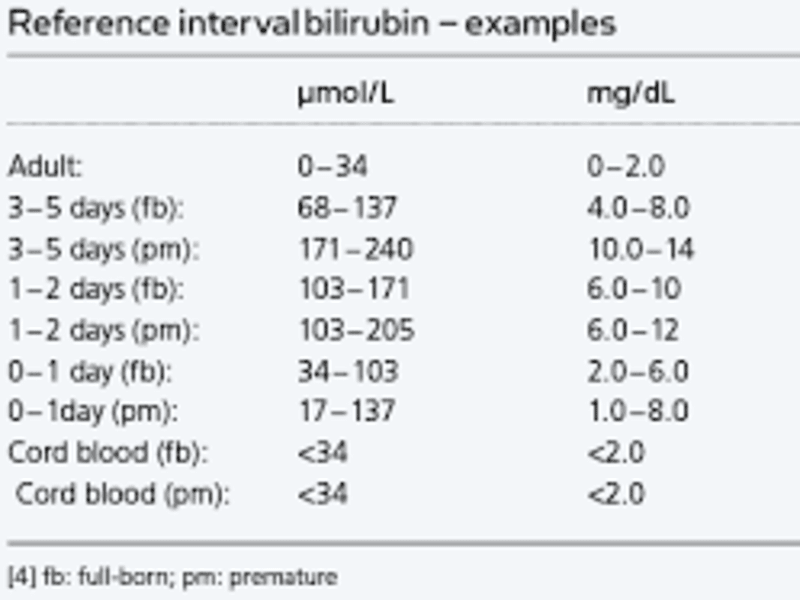
Bilirubin levels help assess liver health. This guide explains normal bilirubin values, types, causes of abnormal levels, symptoms, and when to seek medical advice.
April 11, 2026

Learn how to properly clean and care for your new ear piercing to ensure it heals beautifully and avoid infection. Follow our step-by-step guide for optimal results.
April 1, 2026