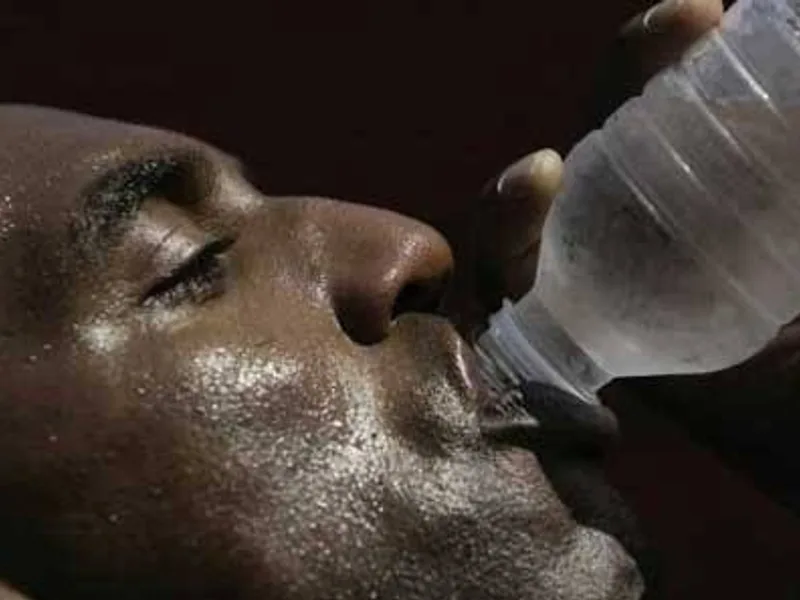
Ask ten people at a gym what electrolytes actually do and you'll get ten vague answers involving the word "hydration" and not much else. Fair enough, honestly. The supplement industry has spent two decades making the word sound important without explaining it.
Electrolytes are just minerals, sodium, potassium, magnesium, calcium, that carry an electric charge and let your nerves fire and muscles contract properly. Sweat heavily enough for long enough, and you lose a meaningful amount of them. What "meaningful" means, and what to do about it, is where most gym-floor advice falls apart.
Sodium: The One That Matters Most for Sweat
Sodium is the electrolyte you lose the most of through sweat, by a wide margin. It's also the one most directly tied to the two things people actually worry about: cramping and a dangerous condition called hyponatremia, where blood sodium drops too low.
Here's the part that surprises people: hyponatremia during exercise is usually caused by drinking too much plain water, not by sweating too much sodium out. If you're sweating heavily for over an hour and only replacing with water, you can dilute your remaining sodium faster than you're losing it. It sounds backwards, but it's well documented in endurance sport medicine.
In clinical practice, this is often missed because people treat "drink more water" as universally safe advice. It mostly is, for shorter or moderate sessions. It stops being safe once you're talking about multi-hour endurance efforts in heat, where sodium replacement actually matters more than fluid volume alone.
If you want a deeper look at when salt tablets are genuinely useful versus unnecessary, that's a good next read, since sodium replacement doesn't always mean reaching for a tablet.
Potassium and Magnesium: Smaller Losses, Real Roles
Potassium sits mostly inside your cells rather than in sweat, so you lose comparatively less of it through exercise than sodium. But it's still essential for muscle contraction, including your heart muscle, which is one reason severe potassium imbalance is taken seriously in a medical setting.
Magnesium gets a lot of supplement-industry attention for muscle cramps, and it does play a genuine role in muscle relaxation. Whether a magnesium deficiency is actually behind your specific cramp is a different question, one that's easy to answer with a blood test and much harder to answer by guessing.
This detailed piece on dehydration-related muscle cramps walks through sodium, potassium, magnesium, and calcium separately, which is more useful than lumping "electrolytes" together as one vague thing to fix.
Where People Actually Get This Wrong
The first mistake is timing. Waiting until you feel a cramp or feel thirsty means you're already behind, since both are lagging signals rather than early warnings.
The second mistake is assuming every workout needs electrolyte replacement. A 40-minute indoor gym session in air conditioning is a completely different sweat picture than two hours running outdoors in Kolkata's summer humidity. Matching the response to the actual session matters more than defaulting to a sports drink every time you exercise.
The third mistake, and this one's a bit of a personal opinion, is treating flashy electrolyte marketing as a substitute for the boring basics: a reasonably balanced diet covers most people's baseline mineral needs without any powder involved. Coconut water, fruit, and a diet that isn't extremely low in salt already gets most active people most of the way there.
Supplements, Creatine, and the Electrolyte Connection
If you use creatine, hydration and electrolyte status deserve a slightly closer look, since creatine pulls water into muscle cells and can shift how your body handles fluid. This guide to creatine and headaches and this piece on creatine while cutting both touch on this.
Post-workout, glycogen replenishment and electrolyte replacement often happen together, and this explainer on glycogen is a useful companion read. If you're also using a protein supplement afterward, reviews like this one on whey protein isolate or this sports supplement breakdown are worth checking, though neither replaces a proper electrolyte strategy.
Who Should Get Individual Guidance
Anyone on blood pressure medication,
particularly diuretics like spironolactone, needs to be careful here, since these medications already shift potassium and sodium levels on their own. This guide to spironolactone's electrolyte effects is worth reading if that applies to you, alongside a direct conversation with the doctor who prescribed it.
People with kidney disease
process electrolytes differently, and both restriction and replacement need individual guidance from a nephrologist rather than generic sports nutrition advice.
People with a cardiac history
should treat electrolyte imbalance as something a cardiologist should weigh in on, since potassium and magnesium imbalances directly affect heart rhythm.
People with diabetes
managing exercise and electrolytes together should loop in an endocrinologist, since blood sugar and fluid balance interact more than most general advice accounts for.
For everyone else building a proper training-and-electrolyte routine, a sports dietician or physiotherapist can tailor this to your actual training load. And if you're getting dizziness, confusion, or unusual weakness after workouts rather than ordinary tiredness, that's worth a visit to a general physician rather than more guessing, with home visit options available if getting to a clinic feels difficult in the moment.