Navigating the world of fitness and nutrition can sometimes feel like a maze, especially when you're trying to achieve specific body composition goals. If you're focused on shedding body fat while holding onto your hard-earned muscle – a process often called 'cutting' – you might be wondering about supplements. Specifically, many athletes and fitness enthusiasts ask: Can I take creatine while cutting? The short answer is yes, and it might even offer some significant advantages.
Understanding the 'Cutting' Phase
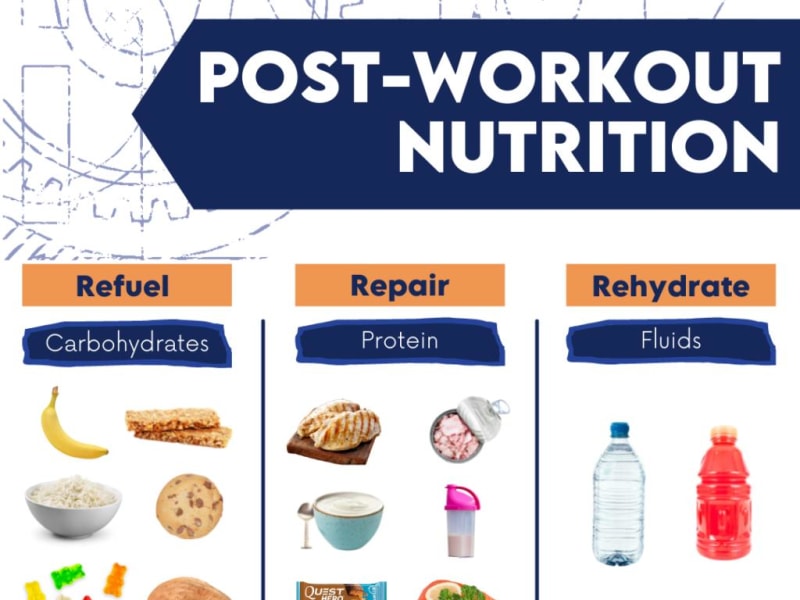
Before we dive into creatine, let's clarify what 'cutting' means in the fitness world. Essentially, it's a phase where individuals aim to reduce their body fat percentage while preserving lean muscle mass. This typically involves consuming fewer calories than your body expends (a calorie deficit) and often involves carefully timed carbohydrate intake to fuel workouts, alongside an increased protein intake. The goal is to reveal muscle definition by stripping away the layer of fat covering it.
However, this phase isn't without its challenges. If you cut calories too drastically or lose weight too rapidly, you risk losing muscle mass along with fat. This can not only set back your aesthetic goals but also slow down your metabolism and recovery. It's a delicate balance, and sometimes, the body needs a little support.
What is Creatine?
Creatine is a compound that your body naturally produces, primarily in the liver, kidneys, and pancreas. It's also found in certain foods, like red meat and seafood. Creatine plays a vital role in energy production, particularly for short bursts of high-intensity activity, like lifting heavy weights or sprinting. It helps your muscles produce energy (ATP) during strenuous exercise.
When you supplement with creatine, you increase the stores of phosphocreatine in your muscles. This can lead to enhanced performance during intense workouts, improved strength, and potentially faster muscle recovery. For years, athletes have used creatine to push their limits and achieve better results.
Creatine's Role During a Cutting Phase
So, how does creatine fit into your cutting regimen? Contrary to some misconceptions, creatine doesn't cause unwanted water retention *outside* the muscle cells (which can sometimes lead to a 'bloated' look). Instead, it draws water *into* your muscle cells. This intramuscular hydration is actually beneficial:
- Muscle Preservation: By providing the energy needed for intense workouts, creatine helps you maintain the stimulus required to keep your muscles. When you're in a calorie deficit, your body might otherwise start breaking down muscle for energy. Creatine helps combat this by ensuring your muscles have the fuel they need.
- Strength Boost: Maintaining strength during a cut is crucial for signalling your body to hold onto muscle. Creatine can help you lift heavier or perform more reps, ensuring your training remains effective.
- Enhanced Recovery: Intense exercise depletes creatine stores. Supplementing helps replenish these stores, potentially aiding muscle repair and recovery between demanding workout sessions.
- Protective Effects: Creatine can help support and protect your muscles by bringing water into them. This hydration can shield muscle fibers from damage, especially important when the body is under the stress of a calorie deficit.
A common scenario might be someone diligently following their diet plan, feeling the energy dip that often accompanies a calorie deficit. They might worry about their workouts suffering and, consequently, their muscle mass. Taking creatine can provide that extra edge, allowing them to push through their sets with more power and less fatigue, thus signalling their body to retain muscle.
Recommended Dosage and Timing
When it comes to creatine supplementation during a cut, consistency and appropriate dosage are key. The general recommendation is:
- Daily Intake: 3 to 5 grams of creatine monohydrate per day is typically sufficient. Higher doses are unlikely to provide additional benefits and may increase the risk of side effects.
- Loading Phase (Optional): Some people choose to start with a 'loading phase' (around 20 grams per day, split into smaller doses, for 5-7 days) to saturate their muscles quickly. However, this isn't strictly necessary, and starting with the maintenance dose of 3-5 grams daily will achieve the same results over a slightly longer period.
- Timing: While exact timing isn't as critical as consistent daily intake, studies suggest that taking creatine before and after resistance training may offer the most significant benefits for lean body mass and strength. However, simply taking it daily, regardless of workout timing, will still be effective.
Potential Side Effects and How to Manage Them
For most people, creatine is safe when taken at recommended doses. However, some individuals might experience mild side effects, especially when first starting or if they don't hydrate properly:
- Upset Stomach/Diarrhea: Taking a large dose all at once, particularly during a loading phase, can sometimes lead to gastrointestinal discomfort. To avoid this, stick to the 3-5 gram daily dose and ensure you're drinking plenty of water. If you do experience issues, try splitting your daily dose into smaller amounts taken throughout the day.
- Dehydration: Because creatine draws water into muscle cells, it's essential to increase your overall fluid intake. Drinking at least 3-4 litres of water per day is highly recommended, especially during a cutting phase when you're already focused on fluid balance.
It's important to remember that these side effects are often linked to aggressive dieting or inadequate hydration, rather than creatine itself. If you experience persistent or severe discomfort, discontinue use and consult a healthcare professional.
Other Factors for Successful Cutting
While creatine can be a valuable tool, it's not a magic bullet. Success in a cutting phase depends on a holistic approach:
- Nutrition: A consistent, moderate calorie deficit is key. Focus on whole, unprocessed foods and adequate protein intake to support muscle.
- Training: Continue with challenging resistance training to signal your body to preserve muscle. High-intensity interval training (HIIT) can also be effective for fat burning.
- Sleep: Aim for 7-9 hours of quality sleep per night. Sleep is vital for muscle recovery, hormone regulation, and overall well-being.
- Mental Stamina: Cutting can be mentally challenging. Drive, determination, and focus are just as important as the physical aspects.
- Hydration: As mentioned, staying well-hydrated is critical for both creatine's effectiveness and your overall health during a cut.
When to Consult a Professional
Before embarking on any significant dietary changes or supplementation regimen, especially a cutting phase, it's wise to consult with a healthcare professional. This is particularly important if you:
- Have any pre-existing medical conditions (e.g., kidney issues, heart conditions).
- Are unsure about safe calorie deficit levels.
- Want personalized advice on nutrition and supplementation.
- Are an athlete seeking to optimize performance and body composition safely.
A sports medicine specialist or a registered dietitian can help you set realistic goals, create a safe and effective plan, and monitor your progress, ensuring you achieve your desired results without compromising your health.
Frequently Asked Questions (FAQ)
Q1: Does creatine make you gain water weight?
Creatine causes water to be drawn into your muscle cells, which can lead to a slight increase in *intramuscular* water. This is different from subcutaneous water retention (bloating) and is generally considered beneficial for muscle function and preservation. It doesn't typically cause significant overall body weight gain that hinders cutting goals.
Q2: Can I take creatine with other supplements while cutting?
Yes, creatine can generally be taken with other common supplements like whey protein or BCAAs. However, always ensure you're not exceeding recommended dosages for any supplement and consider consulting a professional if you're taking multiple supplements.
Q3: How long should I take creatine while cutting?
Creatine can be taken continuously throughout your cutting phase and beyond. It's not a substance that needs to be cycled on and off, especially when used at recommended daily doses of 3-5 grams.
Q4: What if I stop taking creatine during my cut?
If you stop taking creatine, your muscle creatine stores will gradually return to their baseline levels over several weeks. You might notice a slight decrease in performance or strength during intense exercise, but it won't negatively impact your fat loss or muscle retention beyond the loss of creatine's specific benefits.
In summary, taking creatine while cutting is not only safe but can be a beneficial strategy to support muscle mass, maintain strength, and enhance recovery. By understanding its role, adhering to recommended dosages, staying hydrated, and maintaining a balanced approach to nutrition and training, you can effectively integrate creatine into your cutting regimen.