Intermittent fasting is about timing, not a magic food rule
Intermittent fasting has become one of the most searched diet trends, partly because the promise sounds wonderfully simple: stop eating for a while, then eat normally during a chosen window.
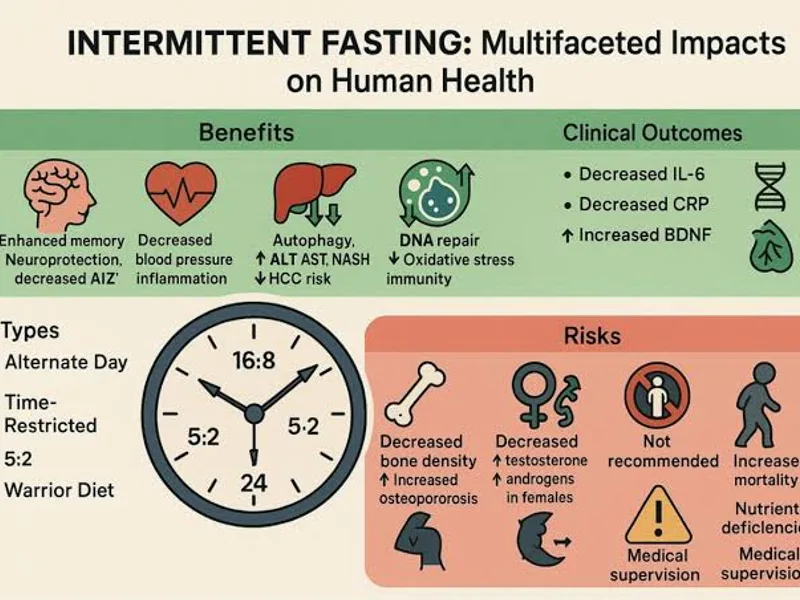
The approach comes in several forms. The popular 16:8 pattern involves eating within an eight-hour window and fasting for the other 16 hours. Other approaches include limiting food on certain days or using longer fasting periods.
Doctar's guide to intermittent fasting explains common fasting patterns and practical questions about drinks and foods during a fasting window.
But the central question is not whether fasting can change metabolism. It can. The more useful question is whether those changes translate into meaningful health benefits for a particular person.
Can intermittent fasting help with weight loss?
For some people, yes. The simplest explanation is behavioural: having fewer hours in which to eat can make it easier to consume fewer calories overall.
That does not mean fasting has a special ability to erase calories. If someone eats very large meals, sugary drinks and calorie-dense snacks throughout the eating window, the fasting period may not produce much weight loss.
Doctar's guide to daily calorie needs explains why energy needs vary according to body size, age, activity and health status.
Recent evidence also gives a useful reality check. Intermittent fasting can help some people lose weight, but research does not consistently show that it is dramatically better than other approaches that create a sustainable calorie deficit.
Doctar's 8-hour eating-window review notes that controlled trials have found improvements in weight and some metabolic markers, while also highlighting research suggesting that intermittent fasting does not necessarily outperform standard dietary approaches.
What happens to blood sugar?
Fasting changes when the body receives food and therefore when glucose and insulin levels rise after meals. For some people with overweight or insulin resistance, time-restricted eating may improve certain measures of blood sugar control.
That sounds promising, but it is not a substitute for diabetes treatment.
People taking medicines that lower blood sugar can face problems if their food intake changes substantially. Missing or delaying meals may increase the risk of low blood sugar with some treatments.
Doctar's practical diabetes diet guide for Indians stresses meal composition, portion control and individual diabetes management rather than relying on one diet trend.
Its guide to glycemic index and diabetes also explains why the type and combination of carbohydrate-containing foods matter.
If you have diabetes, especially if you use insulin or other glucose-lowering medicines, discuss fasting with your doctor before changing your meal schedule.
Does intermittent fasting improve heart health?
Some studies of time-restricted eating have reported changes in body weight, blood pressure, blood sugar or other cardiovascular risk markers.
But a change in one blood marker is not the same as proving that fasting prevents heart attacks or extends life. Those bigger claims require stronger long-term evidence.
This distinction gets lost online. A promising finding can quickly become a headline claiming that fasting “protects the heart” or “slows ageing.” The science is not that simple.
Doctar's guide to nutrient-dense Indian foods is a useful reminder that the quality of food still matters, even when meal timing changes.
What about inflammation and “detox”?
This is where fasting marketing tends to run ahead of evidence.
Fasting can trigger changes in energy metabolism and cellular signalling. Researchers are studying processes such as autophagy, a form of cellular recycling. But that does not mean a 16-hour fast has been proven to “detox” the human body or prevent ageing.
Your liver, kidneys, lungs and other systems already handle waste removal. You do not need a fasting programme to “flush toxins” out of your body.
Doctar's article on three-day gut resets similarly cautions against exaggerated claims surrounding restrictive diets, cleanses and short fasting programmes.
What are the side effects?
Hunger is the obvious one. Some people also experience headaches, irritability, dizziness, tiredness or difficulty concentrating, particularly while adjusting to a new eating schedule.
Others simply find fasting socially awkward. A person who skips breakfast may struggle when family meals, office lunches or religious events follow a different timetable.
There is another issue: overeating during the eating window. If fasting leaves you ravenous by evening, it may encourage large portions or highly processed foods.
Doctar's guide to sustainable healthy eating focuses on habits that can actually be maintained rather than short-lived dietary restrictions.
In clinical practice, this is often missed because the conversation focuses on the fasting window rather than what happens during the hours when the person is allowed to eat.
Does fasting cause nutrient deficiencies?
It can, depending on how restrictive the eating pattern becomes.
Someone eating two or three balanced meals within a shorter window may still obtain adequate protein, fibre, vitamins and minerals. Someone using fasting as an excuse to drastically reduce food intake may struggle to meet nutritional needs.
This is particularly relevant for people who are already underweight, have nutritional deficiencies or have a history of restrictive eating.
Doctar's article on disordered eating discusses intentional meal skipping and severe food restriction as potential warning signs when eating becomes increasingly rigid or anxiety-driven.
Fasting should not become a socially acceptable name for chronic under-eating.
Can you exercise while intermittent fasting?
Some people exercise comfortably before or during a fasting period. Others feel weak or light-headed when training without food.
The answer depends on the person's health, training intensity, meal pattern and goals. A recreational walker and an endurance athlete should not assume they need the same strategy.
Protein intake also matters when the goal is preserving or building muscle. Doctar's guide to daily protein needs discusses how requirements vary with factors such as activity and age.
For people who exercise regularly, Doctar's protein and workout guide looks at the role of protein in recovery.
A sensible fasting plan should not make it impossible to eat enough nutritious food to support your activity.
What should you eat during the eating window?
The eating window is not a free pass.
A balanced Indian meal might include dal, beans or another protein source, vegetables, whole grains or other carbohydrate sources, fruit and appropriate amounts of healthy fats. Eggs, curd, paneer, fish and lean meat can also fit depending on dietary preferences.
Doctar's healthy Indian eating guide discusses practical ways to build healthier meals around familiar Indian foods.
For people who prefer plant-based meals, Doctar's plant-protein guide covers legumes, soy and other protein sources.
The goal should be nourishment, not simply surviving until the clock says you can eat.
What can you drink while fasting?
Plain water is the safest straightforward option for staying hydrated.
Unsweetened tea or black coffee are commonly included in fasting routines, although caffeine can cause problems for some people. Milk, sugar, juices and other calorie-containing drinks change the fasting pattern.
Doctar's guide to what breaks a fast discusses water, black coffee, tea, sweetened drinks and supplements during fasting.
There is no need to turn hydration into a complicated supplement routine.
Who should be cautious with intermittent fasting?
Intermittent fasting is not suitable for everyone.
Pregnant or breastfeeding women, children and teenagers, people with a current or previous eating disorder, and people who are underweight should not start a restrictive fasting pattern without appropriate medical advice.
People with diabetes need particular care because changes in meal timing can interact with glucose-lowering treatment. People with chronic medical conditions should also discuss major dietary changes with their healthcare professional.
Doctar's intermittent fasting and psoriasis article also identifies eating disorders, pregnancy, breastfeeding, diabetes and certain medical conditions as situations requiring caution.
Is 16:8 the best fasting method?
There is no strong reason to assume that one fasting schedule is universally best.
The 16:8 method is popular because it is relatively easy to understand. But some people may prefer a less restrictive eating window, while others may find fasting disruptive to work, family meals or exercise.
Doctar's 8-hour eating-window article discusses research into 16:8 time-restricted eating and notes that the timing of the window may matter less than the broader diet and eating pattern.
A diet only works as a long-term strategy if a person can actually live with it.
Is intermittent fasting better than a normal healthy diet?
Not necessarily.
A person who eats balanced meals, maintains an appropriate calorie intake, exercises regularly and sleeps well does not need intermittent fasting simply because it is fashionable.
Doctar's calorie-deficit guide explains how energy balance contributes to weight loss.
Its weight-loss goal guide also stresses sustainable habits rather than chasing rapid changes on the scale.
If intermittent fasting helps someone reduce mindless snacking and maintain a balanced diet, it may be useful. If it causes constant hunger, overeating, poor concentration or anxiety around food, another approach may be better.